Category

Faux Wood Grain Finish: Staining Over Painted Furniture Painting

Faux Wood Grain Finish: Staining Over Painted Furniture

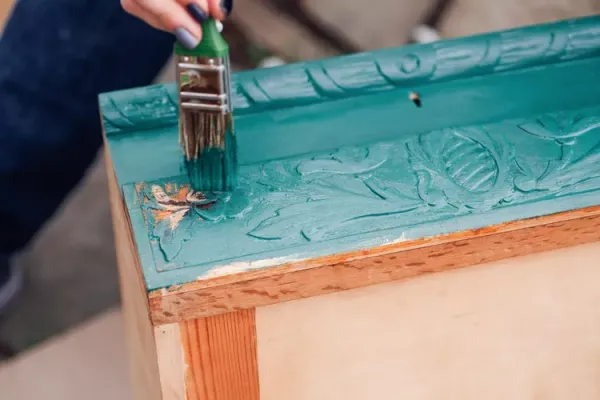
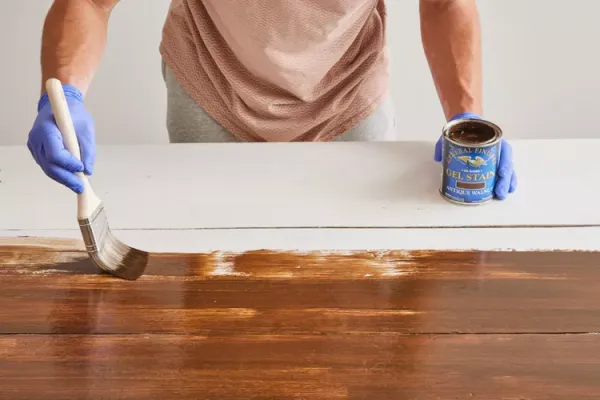
Learn how to apply stain over painted surfaces to create a stylized faux wood-grain effect. This technique works well on smaller projects like furniture and doors, offering a cost-effective way to transform painted items. Key steps include surface preparation, testing, and applying gel stain with specific tools for desired streaks.
Hawthorne Rook 2026-08-23 Read
Why Primer Matters for a Flawless Paint Job Painting

Why Primer Matters for a Flawless Paint Job

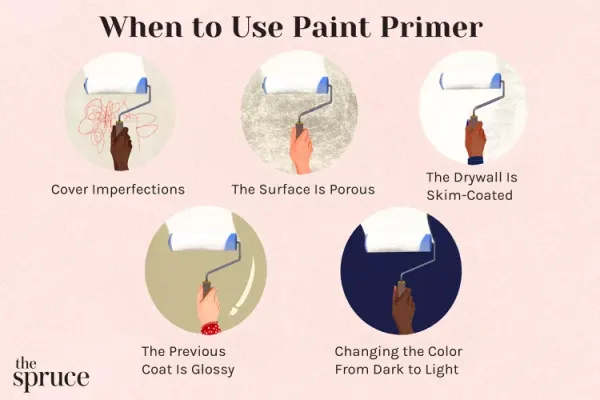
Primer is a critical step in many painting projects, helping to cover stains, neutralize old colors, and ensure the top coat adheres properly. This guide explains when to use it, when you can skip it, and the different types available. Learn how to choose the right primer for your next project.

Hawthorne Rook 2026-08-23 Read
Self-Priming Paint: When It Works and When It Falls Short Painting

Self-Priming Paint: When It Works and When It Falls Short

Self-priming paint combines primer and color in one coat, saving time on many interior projects. However, it is not a universal solution; porous, stained, or problem surfaces still require a separate primer. This article explains the differences and offers practical guidance for choosing the right approach.

Hawthorne Rook 2026-08-23 Read
Cabinet Painting Timelines: What to Expect From Prep to Final Coat Interior Painting

Cabinet Painting Timelines: What to Expect From Prep to Final Coat

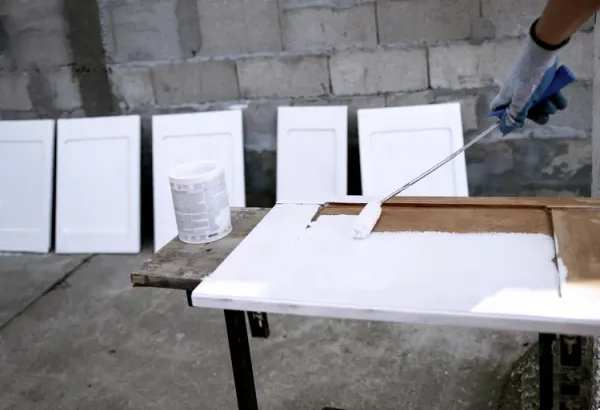
Painting kitchen cabinets is a multi-day project, with most DIYers spending five to seven days on the entire process. Proper prep, including degreasing and sanding, can take half a day alone, and drying times range from 24 to 72 hours before reinstalling doors. Two professional painters share realistic timelines and practical advice for a smooth, durable finish.

Marcus Pace 2026-08-23 Read