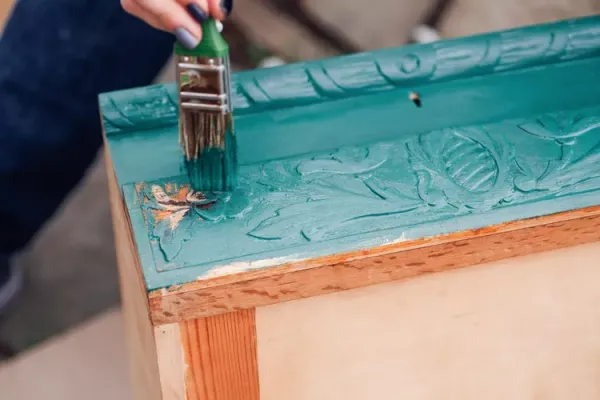
The urge to refresh a tired-looking piece of furniture with a coat of paint is common, but for certain items, that quick makeover can be a costly mistake. According to furniture experts, painting antiques, select midcentury modern pieces, and even some outdoor furniture can significantly reduce their value or cause irreparable damage. Knowing which items to leave untouched is key to preserving both their monetary worth and their aesthetic appeal.
Deborah Meyers, a furniture makeover artist, warns that painting antique furniture can drastically lower its value, especially for pieces with historical significance. Collectors often seek out original finishes, and covering them with paint can obscure the craftsmanship and unique details that make these items desirable. Meyers recalls an instance where someone removed burl veneer from an old cabinet due to minor damage, a small area that could have been restored, and then painted the entire piece—an irreversible decision she advises against.
Why New and Intricate Pieces Are Risky
Even brand-new furniture, including budget-friendly flat-pack items, may not be good candidates for painting. Carrie Spalding, founder of the DIY blog and YouTube channel Lovely Etc., explains that paint often fails to adhere properly to pristine factory finishes. Even with meticulous preparation, the painted surface is likely to chip and wear faster than the original finish. Spalding suggests waiting until the piece shows signs of wear before considering a paint job.
Furniture with intricate details, such as hand-carved headboards or ornate armoires, also poses challenges. Paint can hide the very craftsmanship that makes these pieces special. Moreover, achieving even coverage on detailed ornamentation, curves, and carvings is difficult, often leading to drips and an unprofessional finish. Meyers advises being brutally honest about your painting skills before attempting such a project.
The Case of Cedar and Midcentury Modern
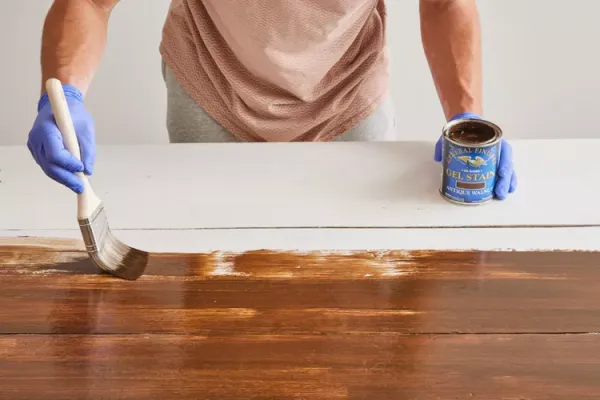
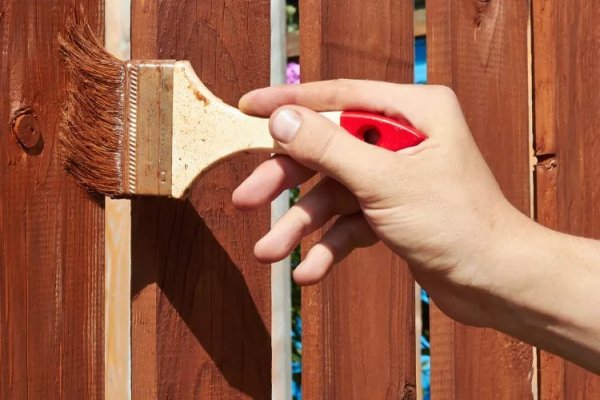
Cedar outdoor furniture, popular for its natural weather resistance, is another type that should generally be left unpainted. Vageesh Bakhshi, senior product manager of exterior wood care at Sherwin-Williams, notes that cedar's beautiful grain patterns would be hidden by paint, and more importantly, painting diminishes its natural resistance to decay and insect damage. Staining, on the other hand, enhances the wood's inherent qualities while offering additional protection against moisture and UV rays.
Midcentury modern pieces, like iconic designs from the Noguchi coffee table to the Eames lounge chair, are often collector's items. Many are crafted from solid woods such as walnut and teak, or feature bent plywood covered in high-quality veneer. Painting these pieces can obscure the wood grain, hide the iconic design, and reduce their value. If you hope to pass these items down or sell them in the future, it's crucial to research the piece's background before embarking on any painting or flipping project.
In summary, while painting furniture can be a fun and rewarding DIY project, it's not suitable for every piece. Antiques, new factory-finished items, intricately detailed furniture, cedar outdoor pieces, and select midcentury modern designs all carry risks that outweigh the aesthetic benefits. When in doubt, consult a professional or consider alternative finishes like staining that enhance rather than hide the material's natural beauty.
Leave a Comment