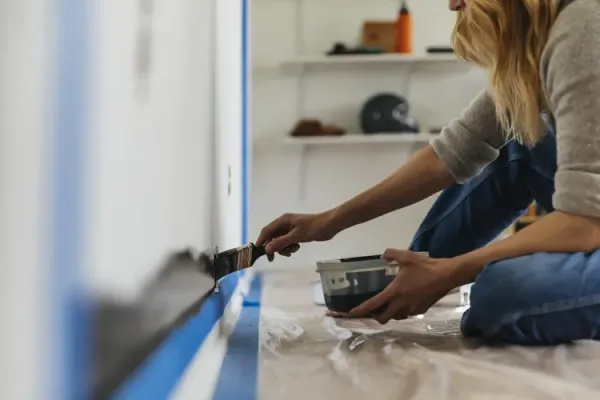
When planning an interior painting project during the colder months, the thermostat setting can be just as important as the color on the swatch. According to Nick Slavik, a professional painter and proprietor of the Nick Slavik Painting & Restoration Co., the sweet spot for applying paint indoors is between 65 and 70 degrees Fahrenheit—a range that aligns with typical home thermostat settings.
Slavik cautions that attempting to paint when the indoor temperature drops below 60°F or when humidity levels reach 85 percent or higher can compromise the paint's ability to cure and dry properly. This can affect coverage, sheen, color consistency, and overall production efficiency.
Why Temperature Matters for Paint Application
Paint is sensitive to ambient conditions not only during drying and curing but also at the moment of application. Slavik explains that interior paints are formulated to perform best under normal site conditions. In the 65–70°F range, the paint dries at an optimal pace—neither too quickly nor too slowly, both of which can introduce problems.
While minor fluctuations are unlikely to cause dramatic issues, significant deviations can lead to poor finish quality or even prevent the paint from curing correctly. For instance, if the outdoor temperature drops suddenly during winter, it can pull the indoor temperature down, especially in older homes with less insulation.
Managing Humidity and Ventilation
High humidity is another culprit that can derail a painting project. Slavik advises using a dehumidifier if indoor humidity exceeds 85 percent. Conversely, in very dry conditions, a humidifier might be necessary to keep the air from becoming too dry, which can also affect paint application.
Ventilation is equally critical, particularly when using latex paints. Opening windows briefly or using fans to circulate air can help disperse fumes. However, Slavik warns against painting in an enclosed space without adequate airflow, as inhaling paint fumes can pose health risks. For enclosed areas, he recommends low- or zero-VOC paints, which are safer alternatives.
Special Considerations for Older Homes
Homes built before 1970 often feature plaster walls and less insulation, making them more susceptible to temperature swings. Slavik recalls a job in an 1800s farmhouse where a single coat of paint on a second-floor bedroom froze in the corner during a lunch break. He emphasizes that running fans or heaters during the process can prevent such issues.
To ensure a successful winter painting project, Slavik offers several practical tips: keep the furnace running to maintain warmth, adjust the thermostat to stay within the 65–70°F range, and avoid painting over surfaces with condensation. Additionally, paint cans stored in a cold garage should be warmed up before use.
By paying attention to temperature, humidity, and airflow, homeowners can achieve professional-looking results even in the depths of winter.
Leave a Comment