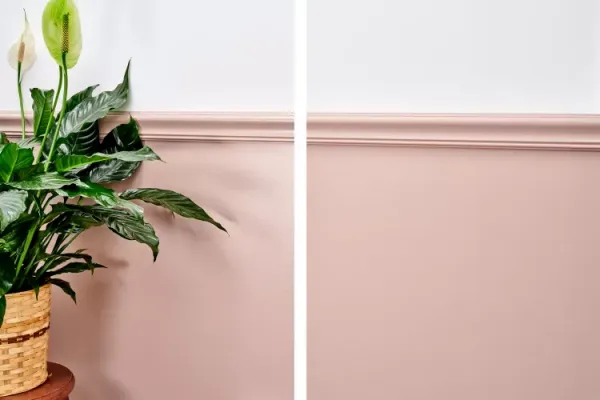
When planning an interior painting project, the choice between satin and matte finishes can significantly affect both the aesthetic and practical performance of the paint. Although these two sheens sit close on the gloss scale, they differ markedly in appearance, durability, texture, and price, making the decision crucial for achieving the desired result.
Satin paint, known for its balanced gloss, sits between eggshell and semi-gloss on the sheen spectrum. It offers a noticeable shine that reflects light, adding a subtle luster to surfaces. This finish is often chosen for doors, trim, cabinets, and moldings, where a moderate gloss is preferred over the high shine of semi-gloss or high-gloss. Its durability makes it suitable for high-traffic areas such as kitchens, bathrooms, and hallways, as it can withstand frequent cleaning and wiping.
Matte paint, on the other hand, is the flattest sheen commonly available, with some brands offering an even flatter option labeled "flat." Its low reflectivity helps conceal surface imperfections, making it a popular choice for walls and ceilings, especially in older homes or rooms with patched repairs. Matte finishes are typically recommended for low-traffic spaces like bedrooms, dining rooms, and living rooms, where durability is less of a concern.
Appearance and Light Reflection
The primary visual difference lies in how each finish interacts with light. Satin's higher reflectivity gives it a shinier look, which can enhance the depth of color but also highlights wall flaws, such as dents, uneven texture, or application errors like runs and orange peel. In rooms with abundant natural light, satin may appear overly reflective, potentially causing glare.
Matte's light-absorbing quality hides imperfections effectively, creating a smooth, velvety appearance. This makes it ideal for concealing dings, divots, and patch marks. However, in small or dimly lit rooms, matte can make the space feel even darker and more enclosed due to its low light return.
Durability and Maintenance
Durability is a key differentiator. Satin's higher sheen results from additional binders in the paint formula, which increase elasticity and scuff resistance. This makes satin more resilient to impacts and frequent cleaning, suitable for entryways, children's rooms, and other busy areas. In contrast, matte's lower binder content makes it less elastic and more prone to scuffs and marks, especially in high-traffic zones. While some modern matte formulations offer improved washability, traditional matte is not designed for regular scrubbing.
Texture and Application
Texture also varies between the two. Satin has a slightly tacky feel due to the resins that contribute to its gloss, whereas matte feels smooth and slightly chalky. For DIY enthusiasts, matte is often easier to apply because its high pigment content provides excellent coverage and hides brush strokes or roller marks, making it forgiving for beginners. Satin, being glossier, can reveal application mistakes more readily.
Cost Considerations
Price is another factor. On average, matte paint costs about $6 less per gallon than satin, reflecting the lower cost of producing a flatter finish. Generally, as sheen decreases, so does the price, with each step down on the sheen scale saving roughly $2 to $3 per gallon. However, the final price is largely influenced by the manufacturer and paint quality, so these differences may vary.
When deciding between satin and matte, consider the room's function, lighting, and your tolerance for maintenance. Satin offers durability and a subtle shine, while matte provides a flawless, low-maintenance appearance for less demanding spaces. Understanding these trade-offs ensures you select the sheen that best meets your project's needs.





Leave a Comment