Spray paint offers speed and convenience, but a misdirected burst can leave stubborn stains on everything from a concrete driveway to a favorite shirt. The key to effective removal lies in matching the method to the surface and acting quickly, especially while the paint is still wet. This guide breaks down the safest approaches for porous materials, metals, fabrics, skin, and more, using tools and products commonly found at home.
Before starting, check the paint can label to determine whether the paint is oil-based or water-based. Most spray paints are oil-based, but a growing number are water-based. This distinction matters because oil-based paints require solvents, while water-based paints often respond to soap and water. Always work in a ventilated area and wear protective gear when handling chemical solvents like paint thinner, acetone, or mineral spirits.
Porous Surfaces: Wood and Concrete
For wood and concrete, a pressure washer is the most effective tool. Set the pressure according to the surface—wood needs less force than concrete. Slowly move the nozzle back and forth until the paint lifts away. This method works for both oil- and water-based paints that have seeped into the pores.
Metal and Plastic: Gentle First, Stronger Later
On metal and plastic, start with the least abrasive method to avoid damaging existing coatings. Dampen a microfiber cloth with a dot of dish soap, rub to create suds, and gently buff the overspray. Rinse and repeat as needed. If paint persists, add carnauba car wax to the cloth and buff again, then wipe away the wax with a clean, dry cloth. For set-in paint, consider industrial paint removers.
Fabric and Carpet: Act Fast
The sooner you treat fabric or carpet, the better. For wet paint, flush the area with lukewarm water until it runs clear. For carpet, dab with a damp cloth to draw paint out. For stubborn oil-based stains, use an oil-based soap or stain remover; for water-based, try hairspray, nail polish remover, or rubbing alcohol—always test a hidden spot first. If paint has dried, scrape off what you can, pre-treat with stain remover, and launder as usual.
Skin: Oil for Oil, Soap for Water
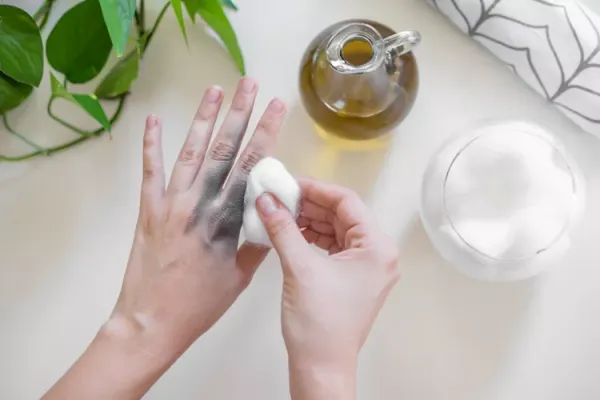
For oil-based paint on skin, rub with olive or coconut oil, then wash with soap and warm water. Avoid getting oil in eyes and on clothing. For water-based paint, gently scrub with a nail brush and mild dish soap, using a soft toothbrush or pumice stone for stubborn spots. Rinse thoroughly and clean any residue from the sink.
Glass, Mirrors, and Painted Walls
On glass and mirrors, avoid glass cleaner, which smears paint. Instead, use a new razor blade at an angle to scrape paint off, or dab with nail polish remover, rubbing alcohol, turpentine, or mineral spirits. For mild stains, a rag dipped in hot water with vinegar and a drop of dish soap works. On painted walls, test an inconspicuous area first. For latex wall paint, use a bit of paint thinner on a cloth; for oil-based wall paint, a paste of baking soda and water left for 15 minutes can lift drips.
Shoes and Prevention
For shoe tops, blot wet paint, then clean with undiluted nail polish remover or rubbing alcohol, testing first. For soles, mix equal parts white vinegar and water with a drop of dish soap. To prevent future mishaps, use a comfort grip on the can, shake well, test the nozzle, and spray in steady lines about a foot from the surface. A cardboard box can serve as a spray booth for small items.
If you're unsure about the paint type or stains persist, a professional cleaner or dry cleaner may be able to help. With the right technique, most spray paint accidents can be resolved without permanent damage.
Leave a Comment