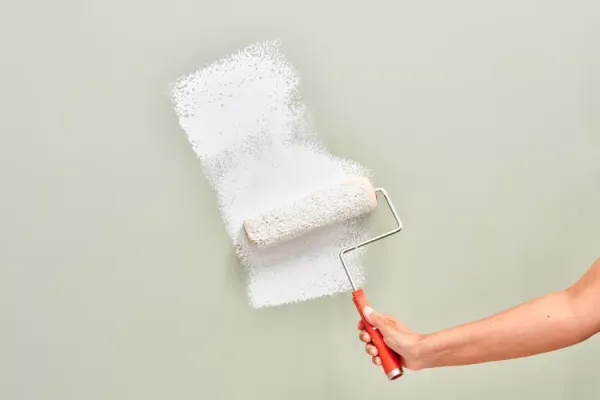
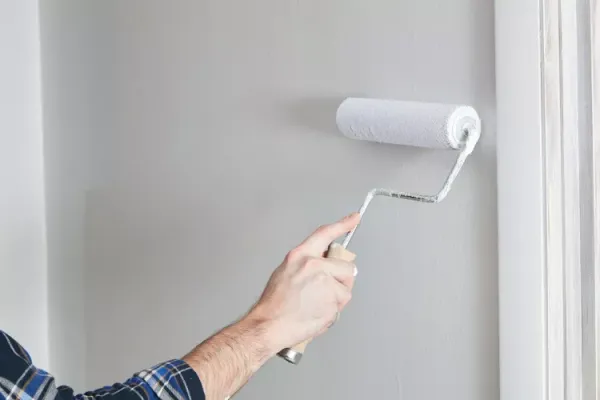
Before you open a can of paint, the question of primer often arises: how many coats are actually necessary? The answer isn't a fixed number. It hinges on the surface you're covering, the paint you've selected, and the condition of the walls. For most projects, two coats of primer are the standard recommendation, but there are exceptions where one coat suffices or a third becomes essential.
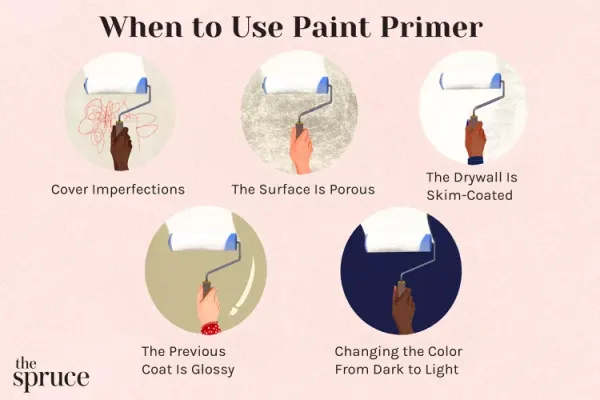
Primer serves as a preparatory base coat that improves paint adhesion and coverage. It's particularly valuable when transitioning between drastically different colors, covering stains, or working with porous materials like bare wood or new drywall. While some paints come with built-in primers, these are only effective on walls that are already painted and in good shape, so they don't eliminate the need for a separate primer in many situations.
When One Coat Is Enough
A single coat of primer is typically sufficient when you're painting over a similar color, moving from a lighter shade to a darker one, or working with surfaces that are in good condition, including metal. If your walls are smooth, undamaged, and already painted with a color close to your new choice, one coat will likely do the job.
Two Coats: The Common Standard
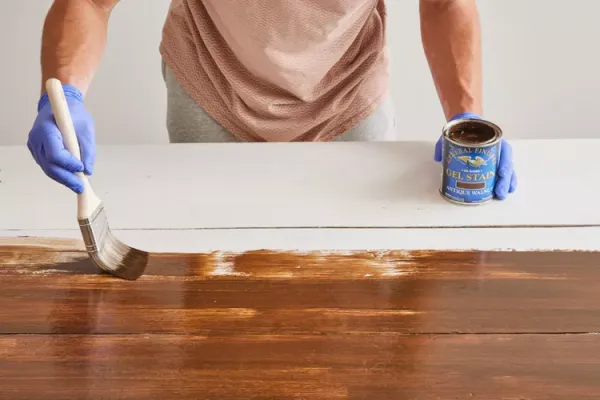
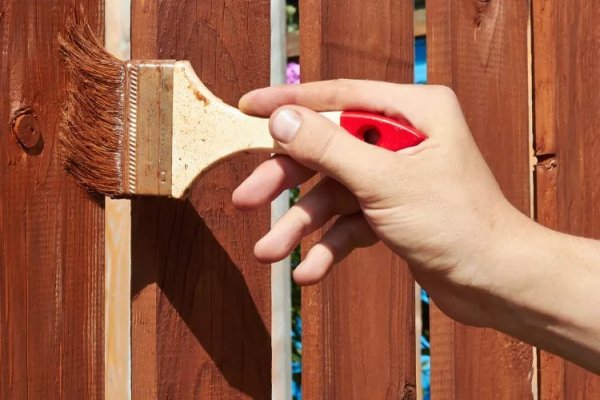
Two coats of primer are recommended for unfinished surfaces like wood, new drywall (using PVA primer), areas being prepared over wallpaper, metal in poor condition, and when there's a drastic color shift—especially covering a dark color with a light one. New drywall is particularly prone to soaking up paint unevenly, so a PVA primer prevents a splotchy finish. For significant color changes, a paint store associate can tint the primer to about 50 percent of your final paint color, which helps reduce the number of topcoats needed.
When a Third Coat Might Be Necessary
Though rarely required, a third coat of primer may be needed if the second coat hasn't provided adequate coverage, when painting over uneven surfaces like masonry or plaster, or when covering major stains such as water damage on a ceiling. In these cases, it's better to add another primer coat than to rely on multiple layers of expensive paint.
Choosing the right type of primer is just as important as the number of coats. Different surfaces demand specific formulations—for example, a bonding primer is essential when applying latex paint over oil-based paint, and a stain-covering primer is needed for water or mold stains. Always read the manufacturer's instructions on the primer label for application guidance, including recommended drying times and whether sanding between coats is advised. While sanding between primer coats isn't necessary, a light sanding of the final primer coat can ensure a smoother surface for the paint.
In practice, the number of primer coats is a judgment call based on your specific project. When in doubt, consulting a paint specialist at your local store can provide product recommendations tailored to your surface and goals. A little extra time spent on priming can save you from costly repaints down the line.
Leave a Comment