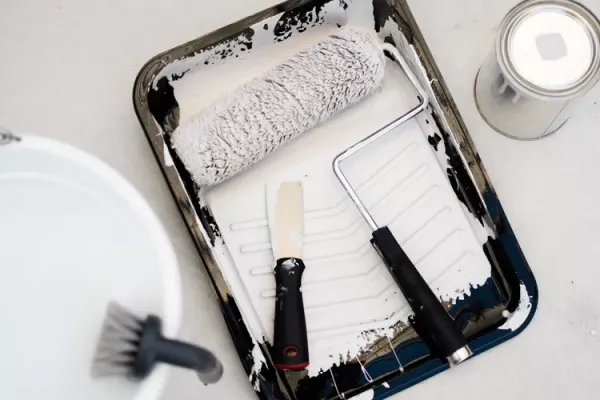
Paint rollers are a staple for any painting project, offering speed and efficiency that brushes can't match. However, many DIYers overlook the importance of proper cleaning, often discarding rollers after a single use. This not only adds up in cost but can also compromise the quality of future paint jobs. Learning to clean your rollers correctly is a simple skill that pays off in both savings and results.
The process is straightforward and can be completed in as little as 10 to 20 minutes, making it an easy addition to any project's wrap-up. The key is to clean the roller while the paint is still wet, as dried paint is much harder to remove. This applies not only to the roller cover but also to the frame and tray, which should be cleaned at the end of every painting session.
Immediate Steps for Latex Paint
For latex or water-based paints, the first step is to remove excess paint from the roller. A putty knife works well for scraping paint back into the can, and rolling the roller on newspaper until it stops releasing paint helps to minimize waste. After removing the roller from the frame, wash both components in warm, soapy water. Use a stiff-bristled brush to scrub away any remaining paint, then rinse thoroughly. It's crucial to dry the roller upright or on a hanger—never on its side—to prevent the fibers from flattening.
The paint tray also requires attention. Rinsing it in soapy water and scrubbing the edges removes most residue. For plastic trays or liners, an alternative is to let the paint dry completely and then peel it off, though this method can be less reliable.
Handling Oil-Based Paints
Oil-based paints require a different approach, as water alone won't break down the paint. Mineral spirits are the recommended solvent for this task. After removing excess paint, scrub the frame and tray with a rag dampened with mineral spirits. Then, submerge the roller in a container of mineral spirits, working the solvent through the fibers with your hands for five to ten minutes. After rinsing in fresh solvent, a final wash in soapy water and a thorough rinse will complete the process.
Safety is paramount when working with solvents. Always wear rubber gloves and eye protection to avoid skin irritation and splashes to the eyes. Additionally, be mindful of proper disposal: never pour cleaning water or solvents down storm drains, as they contain paint residues that can harm the environment. Dispose of these materials down a sewer drain connected to a water-treatment facility, or follow local municipality guidelines for solvent disposal.
By incorporating these cleaning practices into your routine, you not only extend the life of your tools but also ensure that each painting project starts with a clean slate, leading to a more professional finish.
Leave a Comment