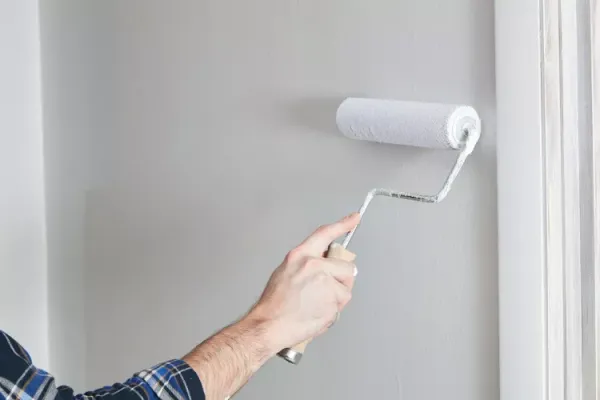
For many do-it-yourselfers, the appeal of paint and primer in one is undeniable: a single product that promises to skip the tedious priming step and deliver a finished coat in less time. But while this hybrid paint can be a convenient shortcut for some jobs, it is not a one-size-fits-all solution. Understanding how it differs from traditional paint and primer—and knowing which surfaces demand a separate primer—can save you from costly mistakes and rework.
Paint and primer in one, also called self-priming paint, is essentially a thicker paint formulation that combines the bonding and sealing properties of a primer with the color and durability of a topcoat. The paint industry refers to this thicker consistency as "build," meaning the cured paint film rises higher than that of standard paint or primer. This higher build is what allows the product to cover minor imperfections and provide a more substantial protective layer in a single application.
How Self-Priming Paint Differs from Traditional Priming
Traditional priming is a two-step process: first, a thin-bodied primer is applied to seal porous surfaces and promote adhesion; then, a thicker latex paint is applied for color and protection. The primer's thin consistency allows it to soak into raw materials like wood and drywall, creating a stable base. In contrast, self-priming paint is designed to do both jobs at once, but its thicker nature means it may not penetrate deeply into highly porous surfaces as effectively as a dedicated primer.
Most self-priming paints are still thin enough to be used with a paint sprayer without thinning, according to industry specifications. However, for surfaces that are particularly stubborn—such as raw, unfinished wood, stained wood, uncoated metal, or masonry—a separate primer coat is still recommended. These materials can absorb paint unevenly, and a dedicated primer ensures a uniform base and prevents bleed-through.
When to Stick with a Separate Primer
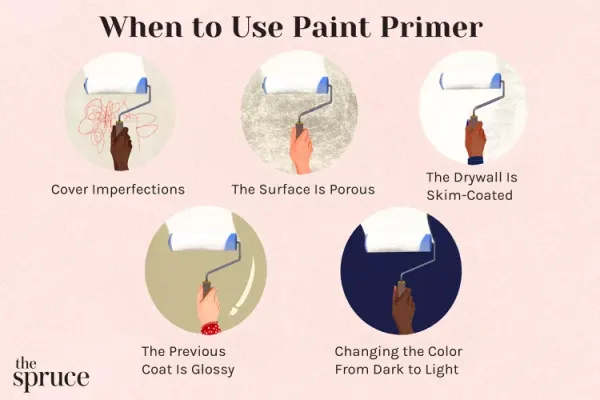
There are several scenarios where relying solely on self-priming paint is not advisable. If you are repainting cabinetry, covering glossy surfaces, or dealing with wood that may bleed tannins, a separate primer is essential. Likewise, if you are changing from a dark color to a light one, a primer can reduce the number of topcoats needed and prevent the old color from showing through.
Primer also addresses issues that paint alone cannot fix, such as grease, gloss, or adhesion problems. Even after cleaning and sanding, some surfaces remain difficult to paint without a primer. For example, if your walls have peeling, flaking, or bubbling paint, a conventional primer is the safer choice to ensure the new paint adheres properly.
Where Self-Priming Paint Shines
For many interior repainting projects, self-priming paint is a practical option. If you are painting a wall the same color it already is, or if you are covering new, unfinished drywall in a room that won't face extreme weather, the product can save time and effort. Interior surfaces are generally less demanding than exteriors, which are exposed to UV rays, rain, and snow—conditions that often require the extra protection of a separate primer.
That said, even with self-priming paint, it's wise to patch holes and clean surfaces thoroughly before painting. In some cases, you may still need to apply a separate primer coat before the self-priming paint, especially on problem areas.
Cost Considerations and Brand Availability
Self-priming paint is typically found only in premium paint lines, which means it costs more per gallon than standard paints. This higher upfront cost can offset some of the savings from skipping a primer, so it's important to weigh the convenience against the expense. Popular brands such as Sherwin-Williams, BEHR, Valspar, and Benjamin Moore offer self-priming options, though not all labels explicitly state "self-priming." Checking the manufacturer's technical specifications can confirm whether a product is designed for primer-free application.
In the end, the decision comes down to the surface you're painting and the conditions it faces. For straightforward interior repaints on clean, low-porosity walls, self-priming paint can be a time-saver. But for challenging surfaces or exterior projects, a separate primer remains the more reliable choice.
Leave a Comment