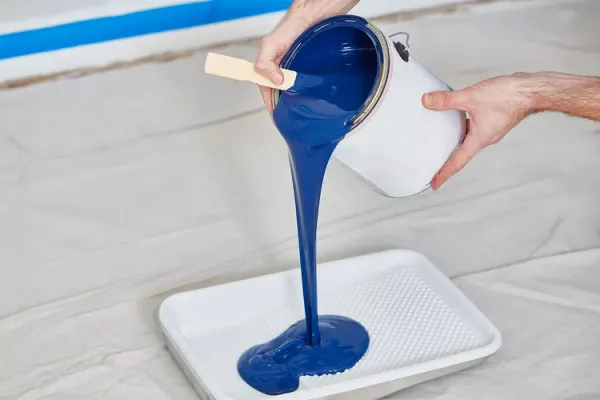
Before you dip a brush into a fresh can of paint, the most critical step is figuring out how much paint to buy. A standard gallon covers roughly 350 square feet, but factors like wall texture, color change, and application method can shift that number. Underestimating leads to mid-project runs to the hardware store; overestimating wastes money. Here’s how to calculate your needs with precision, based on guidance from industry experts.
Katherine Raderecht, brand director at Annie Sloan, a chalk paint manufacturer, emphasizes measuring each room individually. “Every room is different, so I always recommend measuring your walls, especially if you have high ceilings or an unusual layout,” she says. For a standard rectangular room, multiply the total wall length by the wall height to get square footage, then subtract the area of windows and doors. A typical door takes up about 20 square feet, and an average window about 15 square feet.
For L-shaped rooms, count six wall surfaces instead of four. If you’re painting the ceiling, multiply its length by its width and divide by the coverage rate on the paint label, which usually accounts for two coats. Trim work is simpler: one quart covers about 100 feet of trim, and a gallon is enough for a whole-house trim refresh.
Room-by-Room Estimates
David Underwood, technical marketing manager at Benjamin Moore, offers specific figures for common rooms. A small 10x10-foot bedroom with 8-foot ceilings typically needs about 1 gallon and 1 quart per coat. A larger 12x12-foot room with the same ceiling height requires approximately 1.5 gallons per coat. For a living room, say 12x18 feet, plan on 3 to 5 gallons, depending on ceiling height and wall condition. In the kitchen, cabinets and appliances reduce paintable area, so a 13x13-foot kitchen with 8-foot ceilings usually needs just a gallon per coat.
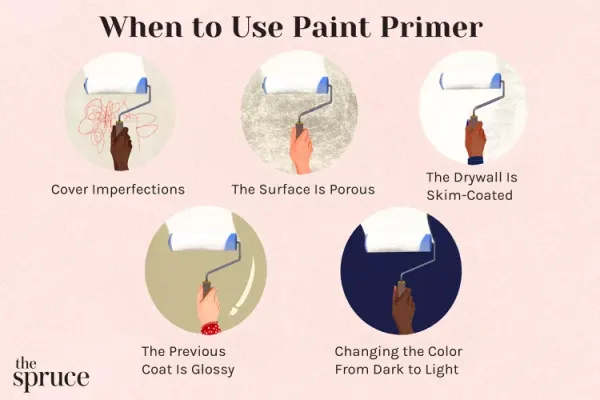
Underwood notes that older walls or those unpainted for years will absorb more paint, so add a bit extra. He also advises priming surfaces with stains or imperfections: “If the walls have imperfections, now is the time to fix them by smoothing them out with spackle or joint compound. If the surfaces have stains that do not come off with a mild cleaner, consider priming these areas to ensure the stains do not bleed through your paint finish.”
Coats and Application Methods
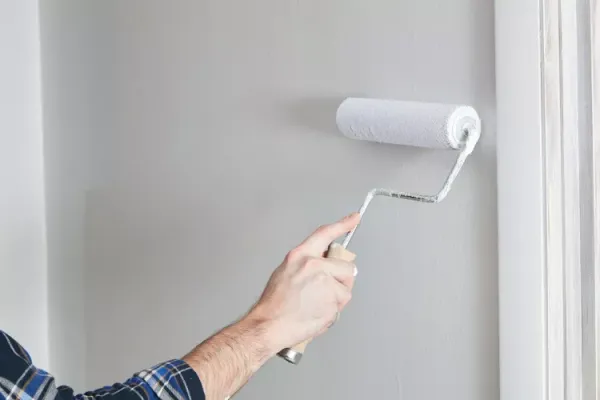
Most walls require two coats to achieve even coverage and a cleanable surface. Dark colors, like red or gray, may need extra coats, while high-quality paints with more pigments and resins might cover in one. A third coat can extend the life of the paint job. If you’re using a paint sprayer, be aware that it can consume up to 30% more paint than a roller, so adjust your purchase accordingly.
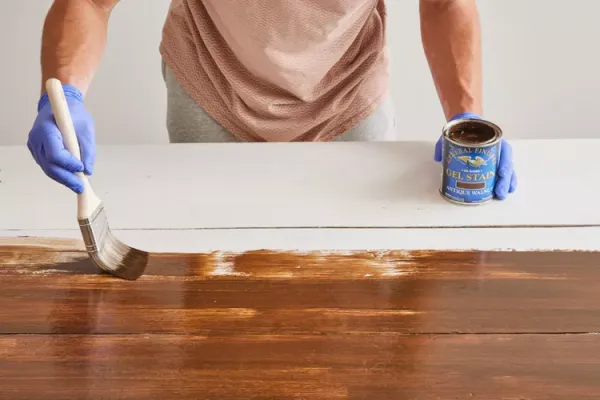
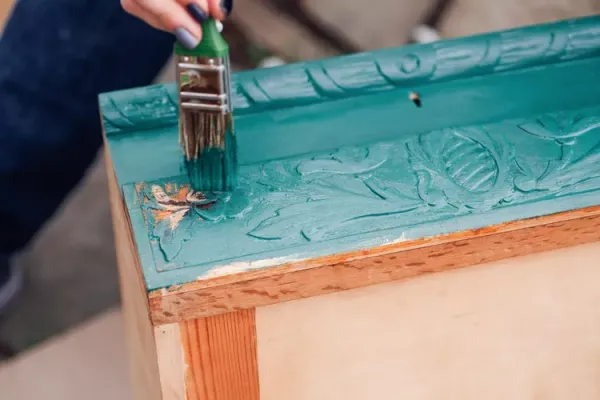
For furniture flips, Raderecht reassures that paint needs are minimal. “One of the lovely things about painting furniture is that it doesn’t take very much paint at all,” she says. “Most furniture needs only one or two coats, and because there is very little preparation required, it’s an easy project for beginners.” A quart is often enough for multiple pieces.
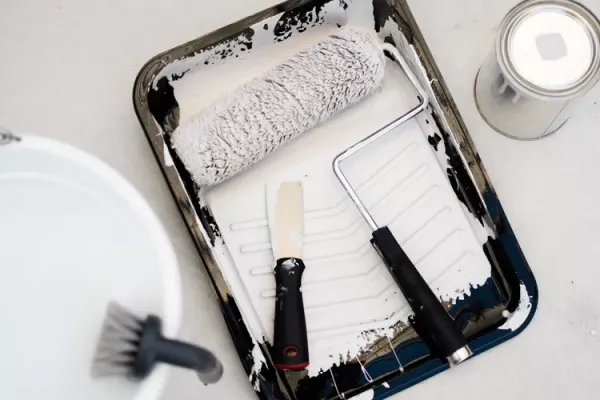
Underwood also warns against cheap roller sleeves, which can leave lint in the finish. “A good-quality woven roller sleeve will have much less shedding and lay paint on much smoother,” he notes.
For an entire 2,000-square-foot house interior, expect to need about 5 gallons of paint, assuming a coverage rate of 400 square feet per gallon. If you’re painting everything the same color, 5-gallon buckets are a convenient option.
Raderecht encourages first-time painters not to overthink. “So many people worry they’ll get it wrong, but paint is wonderfully forgiving,” she says. “Start with a small project to build your confidence and remember that the joy is often in the process, not just the finished result.”

Leave a Comment