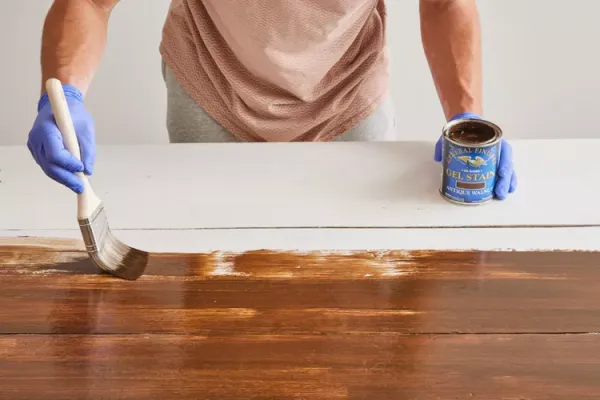
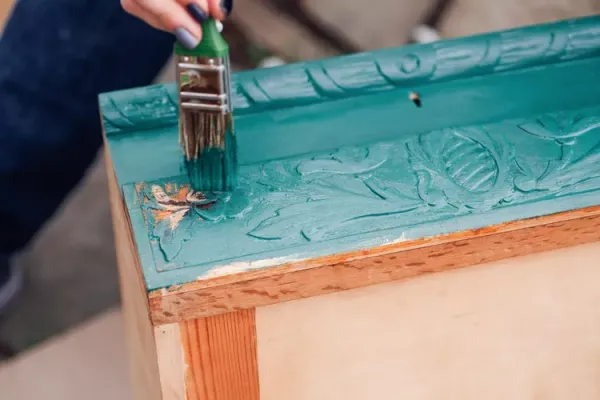
Home improvement enthusiasts can achieve a decorative faux wood-grain finish by applying stain directly over painted surfaces, a technique that offers a unique alternative to traditional refinishing. This method, which involves using stain, sponges, and rags, allows DIYers to transform furniture and other painted items into pieces with a stylized, streaked appearance. The process is suitable for beginners and can be completed in about two hours, with material costs typically ranging from $10 to $20.
The technique works by leveraging the interaction between stain and paint. The result is not a realistic wood-grain replication but rather a decorative effect that features rich, dark undertones and a glazed, lacquered look. The final appearance depends on the paint's color and sheen, as well as the type of stain used. For those seeking an authentic wood appearance, stripping the paint completely before staining is necessary.
Ideal Projects and Safety Precautions
This approach is particularly well-suited for smaller projects, such as refurbishing thrift store nightstands, updating bedroom dressers, or adding character to doors and woodwork. It offers a way to give old furniture a new look, for instance, turning a child's painted dresser into a piece suitable for a guest room. Before starting, it is crucial to work in a well-ventilated area, such as a garage with the door open or a covered patio, as stain fumes can be unpleasant and potentially harmful in enclosed spaces.
Step-by-Step Application Process
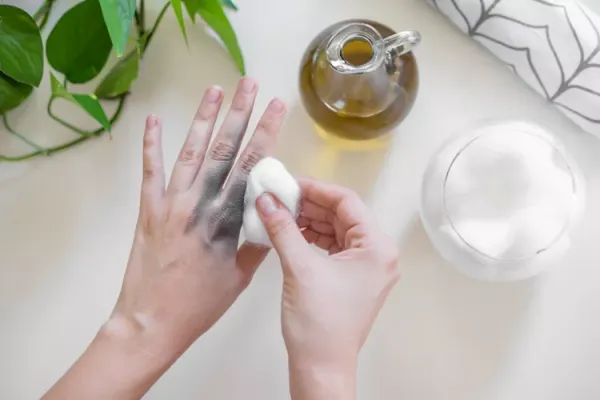
The process begins with preparing the work area by laying down a drop cloth to catch splatters. Gloves are essential, as wood stain is difficult to remove from hands. Next, remove all hardware, such as knobs and hinges, and store them in labeled bags for safekeeping. Before applying stain to the entire piece, it is advisable to test the painted surface in an inconspicuous area, as the paint's sheen and condition significantly affect the outcome.
Lightly sanding the painted surface is a key step, as it creates a slight roughness that helps the stain adhere. This is done for decorative effect, not durability, so the amount of sanding can be adjusted to preference. After sanding, clean the surface with a tack cloth to remove dust, being careful not to rub too hard to avoid embedding the cloth's beeswax. The stain should be stirred thoroughly and allowed to sit for about fifteen minutes to let bubbles dissipate before application.
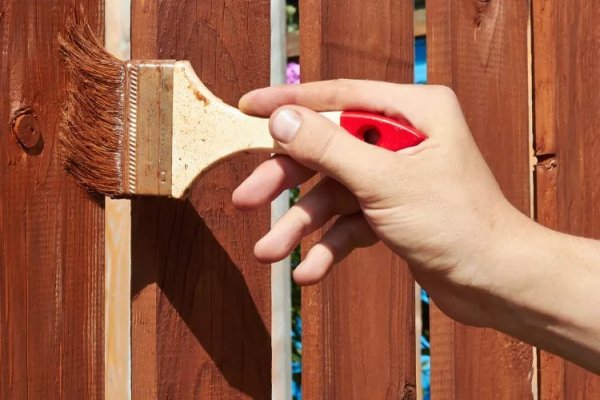
Applying the stain with a brush, dip only the tip of the bristles and work from one edge, brushing gently. For a darker finish, it is recommended to apply multiple thin layers rather than one thick coat, as a little stain goes a long way on less absorbent painted surfaces. Gel stains, which are thicker, offer better control and minimize drips. The surface typically dries to the touch within two hours, and additional coats can be applied after that. The final coat should dry overnight before reinstalling hardware.
Techniques for Different Effects
To accentuate the faux wood-grain look, several techniques can be employed. Using a rough-bristled chip brush creates heavy, streaked lines that mimic wood grain. Layering two different shades of stain, one darker than the other, adds depth. Moving the brush in a consistent direction helps imitate the natural grain, and occasionally creating long, narrow ovals can simulate wood knots. For a smoother finish, a staining pad or a high-quality natural bristle brush is recommended. Achieving a physically smooth surface involves sanding with progressively finer grits, from #120 to #150 and ending with #180.
Understanding how different surfaces react to stain is crucial for troubleshooting. High-gloss paint is less porous, causing the stain to slide off and result in a lighter color, while flat sheen paint absorbs more stain and appears darker. Silicone caulking or certain glues may repel the stain, leading to light spots. Unsealed wood putty or filler will absorb stain readily, producing dark, noticeable patches. Additionally, the choice of applicator depends on the stain type: oil-based stains require natural applicators like horsehair brushes or cotton pads, while water-based stains can be used with either natural or synthetic applicators like foam brushes.
Leave a Comment