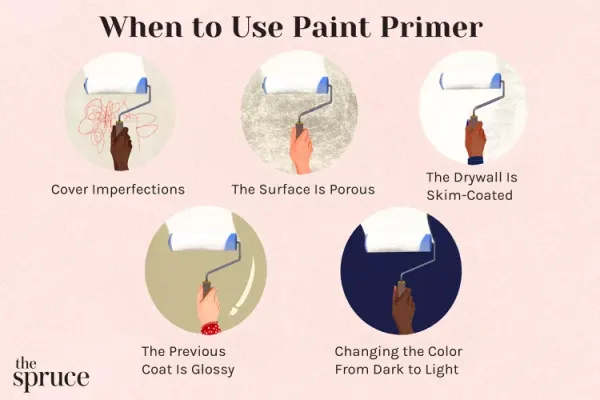
Before you roll on that first coat of color, a layer of primer can make the difference between a finish that pops and one that peels. Primer acts as a preparatory undercoat that smooths surfaces, blocks stains, and helps the final paint color appear true and vibrant. While not every project demands it, understanding when and how to use primer is key to a durable, professional-looking paint job.
Primer works by creating a stable, uniform surface for paint to grip. It covers imperfections, conceals stains, and neutralizes underlying colors, so the top coat can do its job without interference. Available for both interior and exterior use, primer is a versatile tool in any painter's arsenal.
When Priming Is Non-Negotiable
Several scenarios call for a primer coat. Porous surfaces—such as bare wood, masonry, or unfinished drywall—soak up paint unevenly, so a primer seals the surface and ensures an even finish. New drywall, including the joint compound in seams, is especially porous and benefits from a primer layer.
If you're painting over a glossy finish, scuffing the surface and applying primer helps the new paint adhere. Changing from a dark to a light color? One or two coats of white primer—or better yet, primer tinted to match your top coat—can ease the transition and reduce the number of color coats needed.
Stains from water, smoke, or other sources can bleed through paint unless sealed with a primer. For stubborn stains, thicker primers like Kilz 2 or Kilz Max are often recommended. Similarly, skim coats—thin layers of drywall compound applied over bare drywall—are highly porous and require at least one primer coat.
When You Can Skip the Primer
Primer isn't always necessary. If your walls are clean and in good condition, you may be able to paint directly. Cleaning with tri-sodium phosphate (TSP) and water, or using a shop vacuum to remove dust and cobwebs, can prep the surface without primer. Previously painted surfaces that are not glossy or stained are less porous and typically don't need priming. And if you're painting a similar color over an existing one, a primer coat may be unnecessary.
Choosing the Right Primer Type
There are three main primer categories: water-based (latex), oil-based, and shellac. Water-based primers are the most user-friendly, offering low- or no-VOC options and easy cleanup with soap and water. They work well on drywall, wood, and brick. Oil-based primers provide thick coverage and are effective at blocking stains, but they dry slowly and emit VOCs. Shellac primers are the heavy-duty choice for severe stains, smoke damage, and odors, though they also release VOCs.
How Much Primer Do You Need?
To estimate how much primer to buy, use a paint calculator, which factors in the square footage of your project. Generally, two coats of primer are sufficient, but three may be needed for heavily stained or rough surfaces. Even with primer, you'll still want to apply two coats of paint for the best finish.
The Self-Priming Paint Alternative
Self-priming paint is thicker than regular paint, allowing it to build a higher coat that can cover minor imperfections. While it's convenient for walls in good condition, it's not a substitute for proper priming. The thicker coat can be weaker and take longer to dry, and the higher per-unit cost may not save you money if you need more than one coat.
Primer Colors and Tinting
Primer is typically white, but it can be tinted to match your top coat. Tinted primer helps the final color stand on its own, reducing the number of coats needed. Pre-tinted primers are available in shades of gray, red, green, brown, and tan, giving you flexibility to address specific color challenges.
For those wondering about the longevity of primer, an interior primer can last for years before painting, provided it stays dry and clean. Exterior primer may last up to a year, though it may need washing before the top coat. Unopened primer has a shelf life of about two years, according to Glidden, a paint manufacturer.
In short, primer is a valuable step for many painting projects, ensuring a smoother, more durable finish. By matching the primer type to your surface and condition, you can avoid common pitfalls like peeling, bubbling, or stains showing through.
Leave a Comment