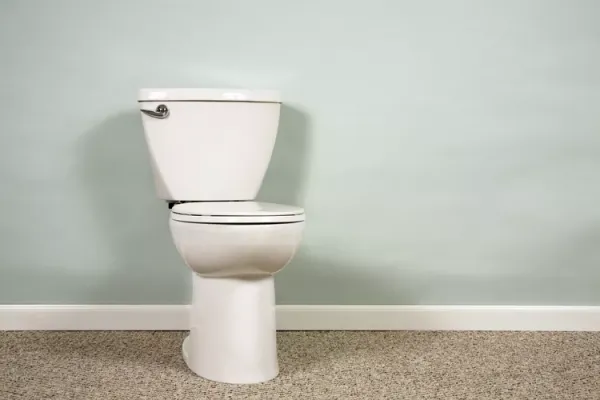
For many homeowners, a fresh coat of paint in the bathroom hits a snag at the toilet. The gap between the tank and the wall—often just 2 inches—makes it nearly impossible to paint cleanly with standard tools. Brushes smear paint onto the tank, and conventional rollers are too thick to fit. But professional painters have developed a few simple workarounds that let you paint that tricky spot without unbolting the entire fixture.
Depending on the method you choose, the job can take as little as 15 to 30 minutes and cost between $10 and $20. The key is to protect the toilet tank with a plastic bag and use either a slim roller, a homemade paint pad, or—for the most thorough approach—remove the tank only. Each technique leaves the wall behind the toilet properly painted, even if a small section remains out of sight.
Why the Gap Is So Tricky
Standard paint roller covers measure about 2 1/4 inches in diameter, which is simply too wide for the narrow space behind the tank. A thin, high-density foam roller—just 1 to 1 1/4 inches in diameter—fits the gap and allows you to extend the wall color about 5 inches behind the tank. Any unpainted area directly behind the tank is hidden from view, so perfection isn't required there.
Before starting, remove the toilet tank lid and set it aside. Invert a clean garbage bag over the tank, pulling the excess plastic toward the front (the toilet seat side) and securing it with a rubber band. This protects the tank from drips and smears while you work.
Method 1: Thin Roller for a Quick Fix
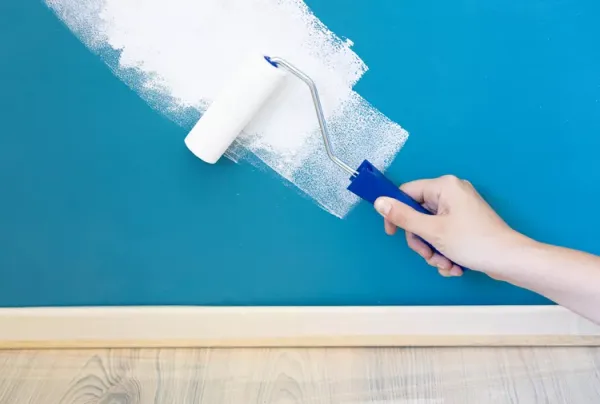
Pour about a cup of paint into a 6-inch paint tray. Dip the foam roller and roll it out on the tray to remove excess. Then, paint the wall behind the tank, going as far as you can reach. For the wall below the tank (behind the bowl), you can switch back to a standard roller or a brush—the space is usually wider and easier to access.
Method 2: DIY Paint Pad for Budget DIYers
If you don't want to buy a thin roller setup, you can make your own paint pad with a few household items. You'll need a kitchen sponge (without the abrasive pad), three paint stirring sticks, a hot glue gun, and a rubber band. Score a 1-inch mark on one stick and snap it off; repeat for a second piece. Lay the two full sticks side by side, then glue the two 1-inch pieces across them to form a handle, leaving at least 3 inches free at the end. Glue the sponge to the end of the handle assembly.
Use a 2-inch paintbrush to transfer paint from the can to the sponge, being careful not to overload it. Then, guide the pad behind the tank, starting at one side, working upward, and then down the other side. This method gives you more control and reach, though rolling typically provides more consistent color.
Method 3: Remove the Tank for Full Access
For the most thorough job, you can remove just the toilet tank—leaving the bowl and floor flange in place. This avoids the messiest parts of toilet removal while giving you full access to the back wall, which you can clean and paint with a conventional roller.
Start by turning off the water supply valve near the floor (clockwise), then flush the toilet to drain the tank. Disconnect the water supply line, loosen the tank bolts from underneath with a wrench or by hand, and lift the tank off. Set it aside, clean the wall if needed, and apply two coats of paint. This method is ideal if the wall behind the tank is dirty or has debris.
Choosing the Right Bathroom Paint
Bathrooms demand paint that can withstand high humidity and moisture. Look for a washable, mold- and mildew-resistant paint specifically formulated for bathrooms. Satin or eggshell finishes are good choices because they are easy to clean and hold up well in damp conditions.
Before painting, proper prep is essential: clean the walls with soapy water and a few drops of dish soap (adding baking soda for stubborn spots), tape off areas you want to protect, and apply a suitable primer. A regular household sponge can reach into tight spots better than paper towels or microfiber cloths.
If your toilet sits close to a side wall, note that residential codes require at least 15 inches from the toilet flange to the sidewall. This space can still be tight, but the same techniques—thin rollers or DIY pads—can help you navigate those areas as well.
With these methods, the once-daunting task of painting behind the toilet becomes a manageable part of any bathroom refresh. Whether you opt for a quick roller touch-up or a full tank removal, you can achieve a clean, professional-looking paint job without the expense of a contractor.


Leave a Comment