
Painting a kitchen offers a budget-friendly alternative to a full remodel, with costs typically ranging from $200 to $400 and a timeline of one to two days. Unlike larger rooms, kitchens have limited wall space due to cabinets, appliances, and backsplashes, making the project manageable for most DIYers. The key to a successful paint job lies in thorough preparation, including cleaning with a degreaser like TSP (tri-sodium phosphate) and applying primer where needed.
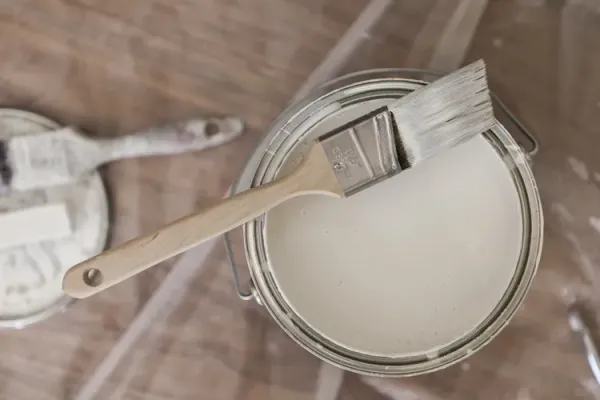
For a 10-foot by 10-foot kitchen, the working time is about 4 to 6 hours, with additional drying time between coats. The total investment includes materials such as two gallons of interior acrylic-latex paint (satin or eggshell), one gallon of primer, painter's tape, and drop cloths. While the cost is relatively low, the visual impact can be significant, giving the space a fresh, updated look without the expense of new cabinetry or countertops.
Preparation: Cleaning and Masking
Before any paint touches the walls, surfaces must be cleaned to remove grease and grime, especially near the stove and counters. TSP, a strong cleansing agent available as a dry powder, is mixed with water and applied with a sponge. Note that some states restrict TSP use, so phosphate-free alternatives are available. After cleaning, allow the walls to dry completely—opening windows on warm days can speed up the process.
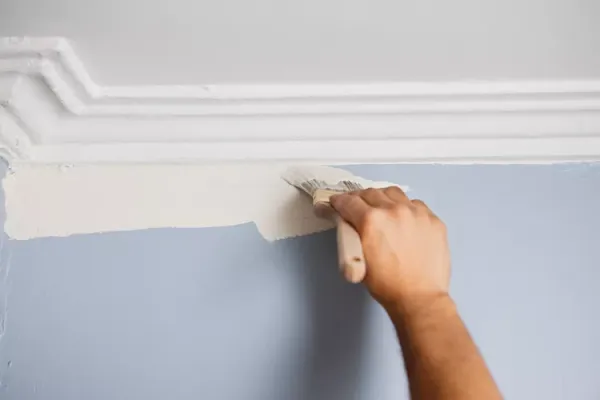
Masking and covering are essential to protect floors, cabinets, and appliances. Canvas drop cloths are preferred over plastic for floors because they are reusable and provide better traction. Painter's tape should be applied to trim and areas not being painted, pressing firmly to prevent bleed-through. For those with a steady hand, freehand cutting-in with a brush is an alternative to taping.
Priming and Painting Techniques
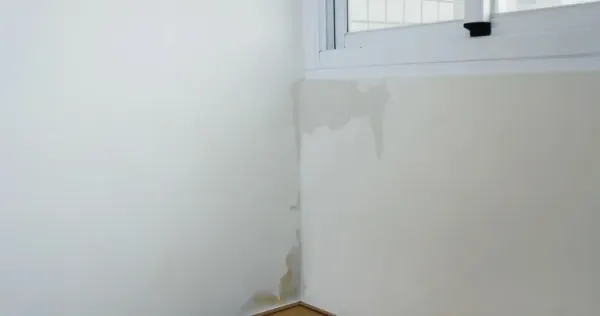
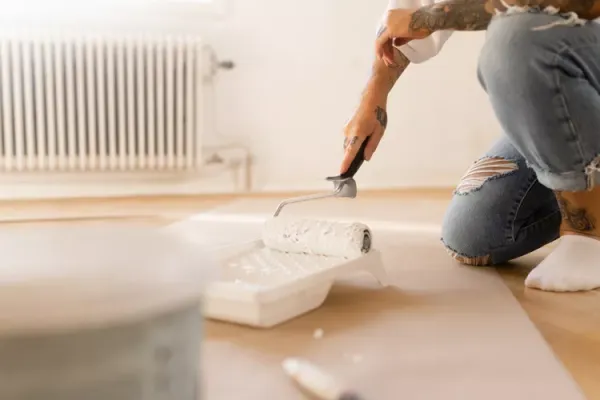
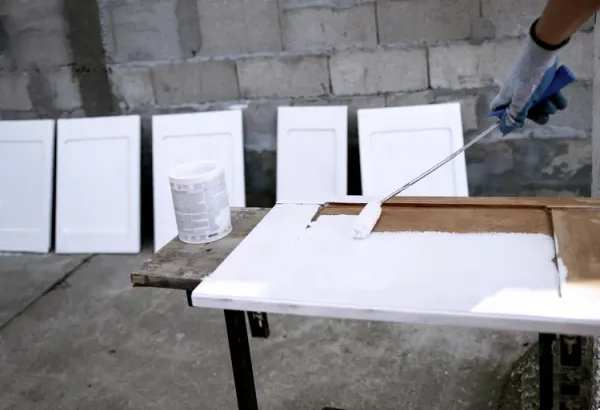
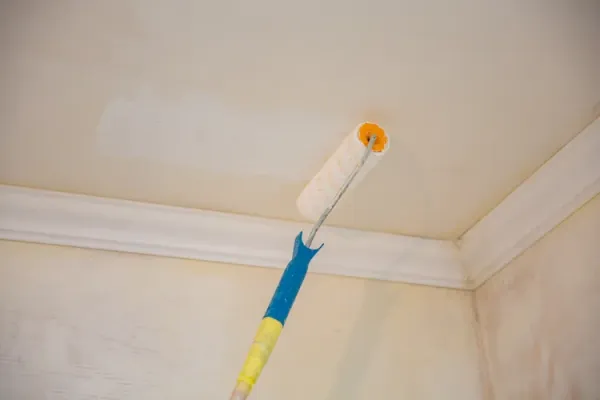
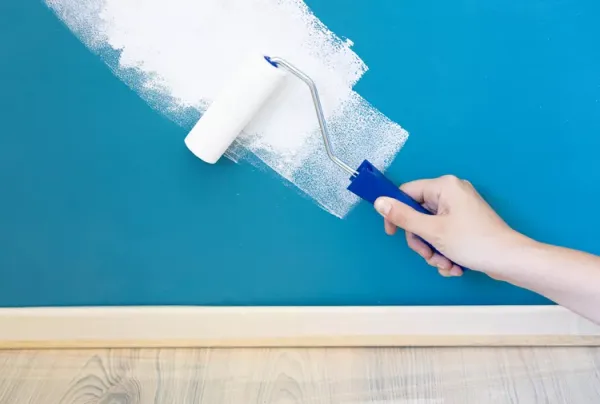
Primer is not always necessary, but it is recommended for unpainted drywall, bare wood, or surfaces in poor condition. Use a roller for large areas and a brush for smaller spaces, such as between the backsplash and cabinets. When rolling, work in a W-pattern over sections of about 4 feet by 4 feet, keeping the roller an inch or two from the tape.
After the first coat dries for about two hours, brush in the areas the roller missed, being careful to avoid drips. Most colors require two or even three coats to achieve their full depth, with a couple of hours of drying time between each. The choice of paint sheen matters in kitchens, with eggshell, satin, or semi-gloss being popular for their balance of durability and washability.
When to Call a Professional
While most DIYers can handle kitchen painting, certain situations warrant hiring a contractor. Large kitchens, complex layouts, or high ceilings can make the job more challenging. Professionals can also navigate unusual geometry and hard-to-reach areas, ensuring a polished finish.
Painting a kitchen is a practical project that can be completed over a weekend, offering a significant return on investment. By following proper preparation and application techniques, homeowners can achieve a refreshed space that enhances the heart of the home.




Leave a Comment