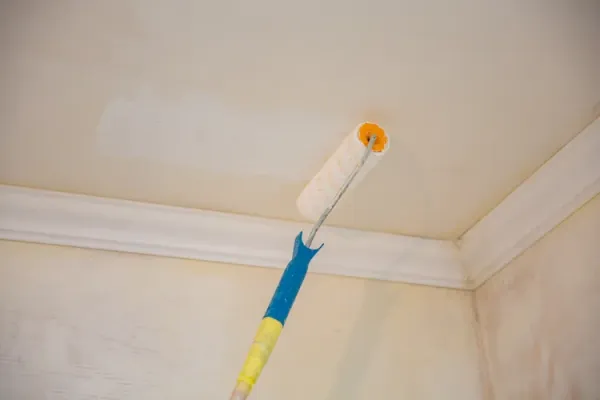
Painting a ceiling is a task that many homeowners approach with dread, knowing that drips and splatters are almost inevitable. However, professional painters have developed methods to minimize the mess and achieve a clean, even result. Two seasoned experts—Luke Hass of Pearl Painters and Ralph Peralta of Sunset Coatings Stucco & Paint—offer their insights on how to tackle this project with confidence.
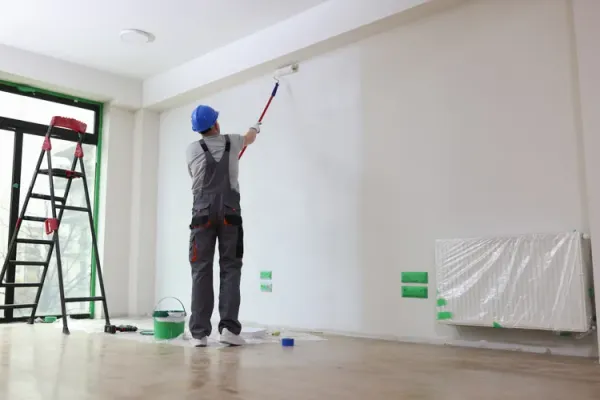
The first step, according to both professionals, is thorough preparation. Hass emphasizes that anything breakable should be removed from the room, as you'll be looking upward for the entire project. Larger furniture can remain but must be covered with plastic sheeting, leaving clear walkways to navigate safely. Peralta suggests using painter's tape to secure plastic drapes along the walls, and he recommends canvas drop cloths for floors and furniture, noting that they stay in place and absorb drips better than thin plastic alternatives.
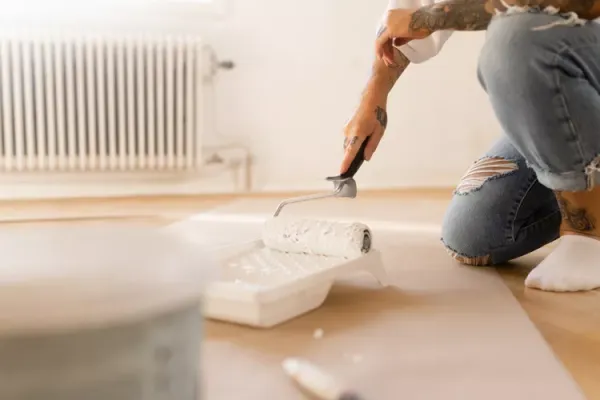
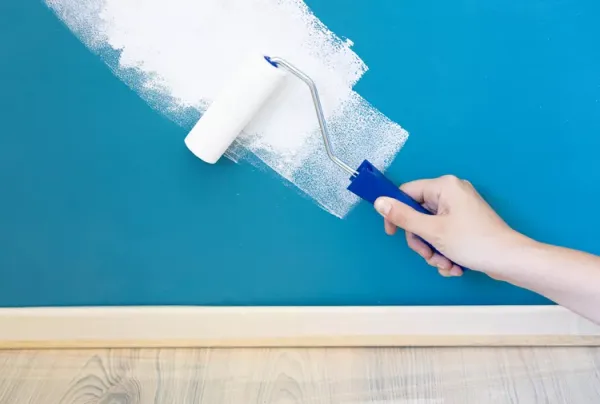
When it comes to the roller, the nap—the thickness and length of the roller fibers—is critical. Peralta advises using a roller with a nap no thicker than 3/8-inch. "Anything thicker than that holds too much paint and will splatter more," he explains. He also recommends not overloading the roller and rolling in slow passes to reduce splatter. For even coverage, he suggests rolling each section in a large W or M shape first, then filling in with straight, overlapping strokes.
Why Ceiling-Specific Paint Matters
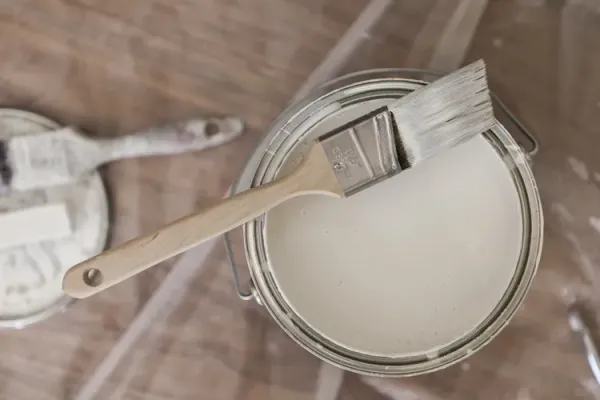
Many homeowners may not realize that there are paints formulated specifically for ceilings. Peralta points out that these paints are thicker, have a flat sheen, and are more resistant to dripping than standard wall paint. Using the right product can significantly reduce the likelihood of mess, even before you start rolling.
For larger ceilings, Hass recommends using an 18-inch roller instead of the standard 9-inch version. This larger tool covers more surface area with each pass, cutting down on the number of strokes and the overall time spent painting. He also suggests using a high-quality lambswool roller sleeve, which holds more paint and reduces trips to the paint tray.
Protecting Yourself and the Room
Protective gear is another essential element that is often overlooked. Peralta advises wearing a painter's cap, safety glasses, and old long-sleeve shirts and jeans to shield yourself from paint mist and drips. He also reminds painters to open windows and use a box fan to keep fumes from building up and to aid in drying time.
By following these expert recommendations, even a novice can approach ceiling painting with a plan that minimizes mess and maximizes efficiency. The key is to prepare thoroughly, choose the right tools and materials, and take precautions to protect both the room and yourself.




Leave a Comment