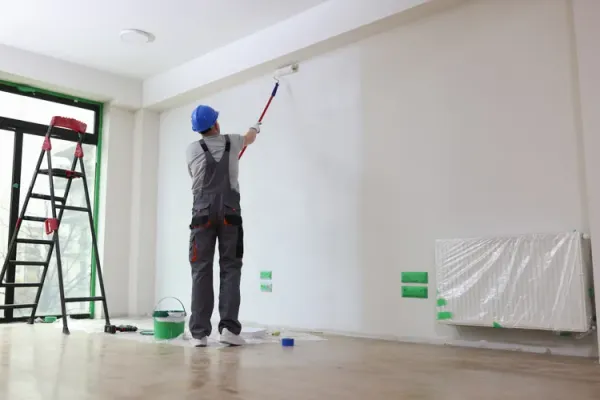
For DIYers tackling a room repaint, the promise of cutting the job in half often seems too good to be true. But Jeff Funk, a professional painter and founder of Funky Painting, says the key isn’t speeding up your brush strokes—it’s changing your tool. By swapping a standard roller for an 18-inch model mounted on an extension pole, Funk says homeowners can reduce painting time by 30 to 50 percent, potentially turning a two-day, 1,200-square-foot project into a single day’s work.
The technique works because the larger roller covers more surface area per pass and keeps a wet edge longer, which prevents lap marks and reduces the need to constantly reposition a ladder. “While using this method, the roller maintains a wet edge and it prevents the need for climbing up and down the ladder or moving frequently,” Funk explains. The result is a smoother finish with fewer touch-ups, and less physical strain from repeated climbing.
Why the 18-Inch Roller Works
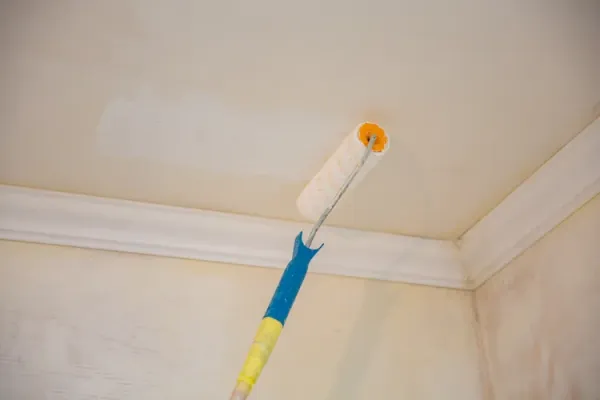
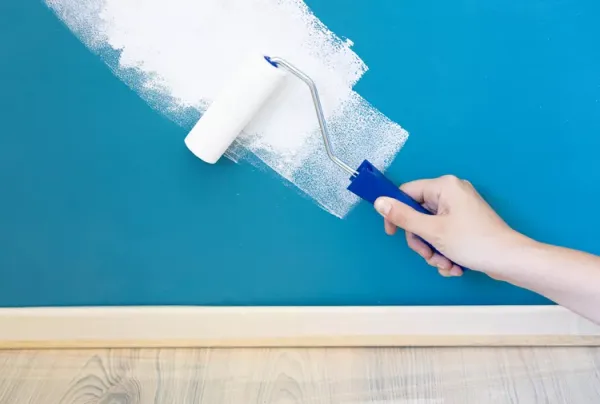
The 18-inch roller’s main advantage is efficiency. With each pass, it covers roughly twice the area of a standard 9-inch roller, meaning fewer dips in the paint tray and fewer strokes to complete a wall. The extension pole allows you to reach ceiling and high wall areas without a ladder, so you can work continuously from the floor. Funk emphasizes keeping the roller well-loaded with paint and having drop cloths in place to catch drips, so you don’t have to pause to protect floors or furniture.
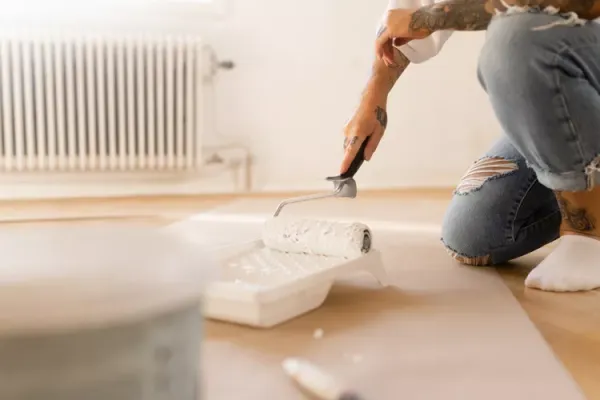
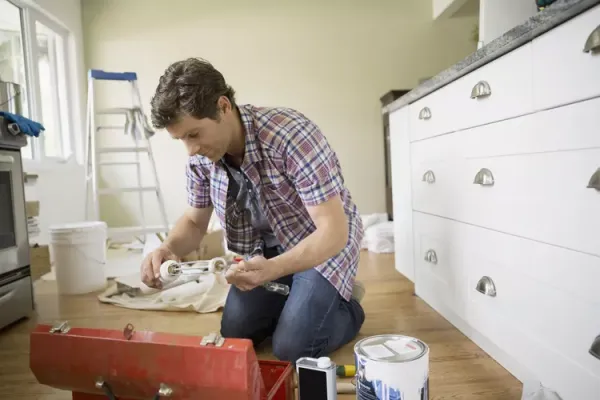
Before starting, Funk advises changing out old roller sleeves, applying painter’s tape to baseboards, trim, and light switches, and laying down drop cloths over the entire floor and any furniture that remains in the room. “Proper setup saves hours,” he says. A clean paint tray and a fresh roller sleeve also prevent picking up dried paint flakes that can ruin a finish.
Painting Order and Edge Work
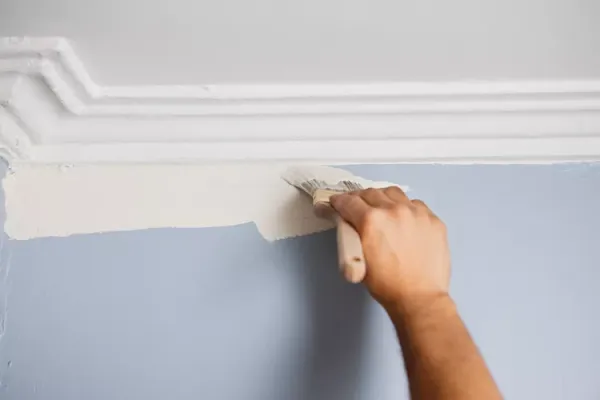
Funk recommends starting with the ceiling, then working down the walls. Painting the edges first—using a brush or a smaller roller—creates a border that makes it easier to fill in the large flat areas with the 18-inch roller. This approach helps maintain a wet edge, allowing the roller to blend seamlessly with the cut-in lines, reducing the need for detailed brushwork and touch-ups later.
For those tackling larger projects, a paint sprayer offers another speed boost, especially outdoors. “When you are working outside, you can simply tarp the area, put on a mask, then spray the target surface for fast, effective paint jobs,” Funk says. Indoors, proper ventilation and thorough masking with drop cloths and painter’s tape are essential to avoid overspray on unintended surfaces.
When the Method May Not Fit
The 18-inch roller approach is best for rooms with mostly open wall space. If a room has many cutouts, built-ins, or intricate trim that must be protected, the large roller may be less efficient than a more detailed brushwork approach. In such cases, a smaller roller or a paint sprayer might be more practical.
Funk also suggests working with a partner when possible. “One individual paints the edges of an 8 to 10 foot strip, then the other one uses a roller to paint the main flat areas,” he says. This division of labor can dramatically speed up the process, and having a second person makes prep and cleanup easier as well.
Ultimately, the fastest way to paint is to combine the right tools with smart preparation. An 18-inch roller on an extension pole, paired with proper taping and drop cloths, offers a proven shortcut for DIYers who want a professional-looking finish without spending days on the job.


Leave a Comment