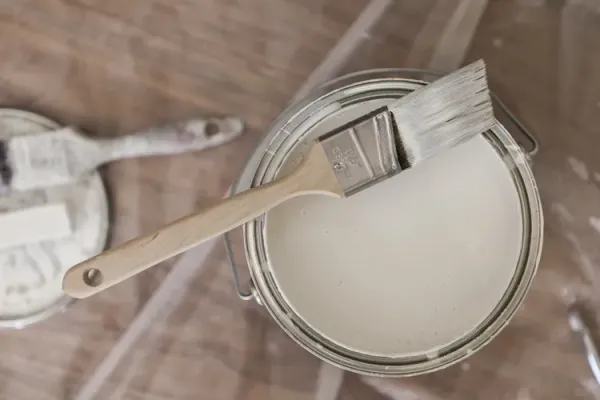
For homeowners looking to refresh their interiors without a major renovation, a single can of paint can be a surprisingly versatile tool. Professional painters say that with the right preparation and technique, one container of paint can address a wide range of minor cosmetic issues, from scuffed baseboards to scratched banisters.
Kelly Mardis, owner of Marcel Painting, and Matt Boden, owner of Fresh Coat Painters of Tampa, both emphasize that paint is one of the most accessible DIY fixes for common wear and tear. “You can use one can of paint to touch up most surfaces around your house, such as baseboards, banisters, doors, and any painted surfaces that are scuffed,” Mardis explains.
Baseboards and Trim: The First Impression
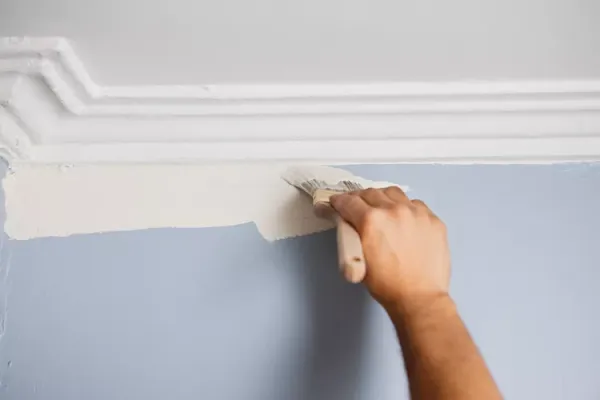
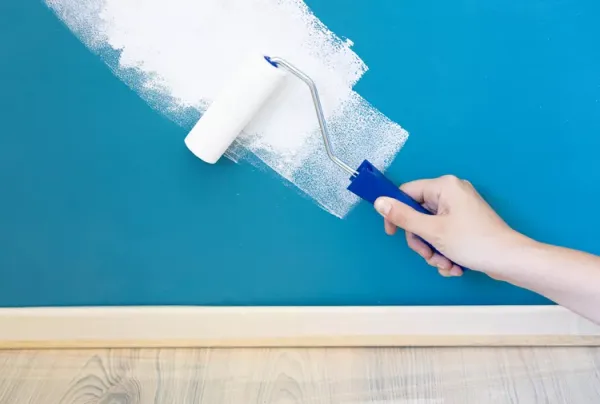
Baseboards often show the most visible signs of daily life—scuffs from vacuum cleaners, dings from furniture, and general grime. A quick coat of paint can revitalize a room’s appearance in minutes. Mardis recommends using a brush or roller for small touch-ups, but stresses the importance of protecting floors and walls with plastic sheeting and painter’s tape to avoid accidental streaks.
Walls, Doors, and Cabinets: Hiding Imperfections
Scratches, dents, and nail holes in walls are common eyesores. Boden notes that a simple coat of paint can “even out scratches, hide dents, seal worn areas, and instantly make old surfaces look clean and well-kept.” For larger holes, caulk may be needed first, but for minor blemishes, paint alone often suffices. Matching the wall color precisely is critical to a seamless finish.
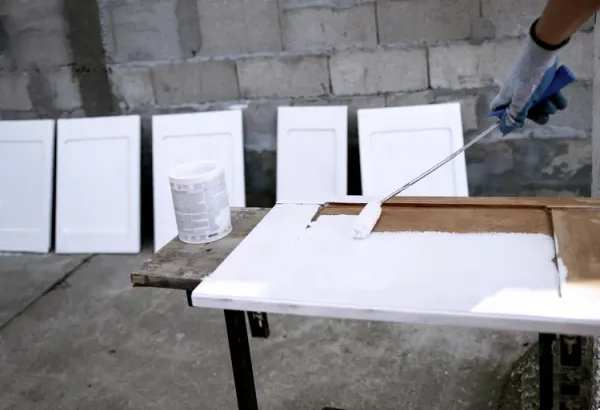
Doors and cabinets endure frequent handling, leading to chipped edges and worn surfaces. Mardis advises cleaning these areas with a mild soap solution to remove oils from handprints before painting, as residue can affect adhesion. A small foam roller or angled brush can then be used to refresh the surface, giving tired cabinets and doors a crisp, clean look.
Vent Covers, Outlet Plates, and Window Frames
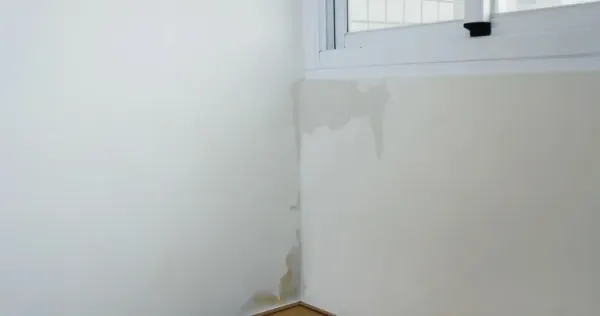
Often overlooked, vent covers and outlet plates can be painted to blend with the wall or to stand out as accent pieces. Boden suggests that even without painting the walls, updating these small fixtures can refresh a room. Window frames, which fade and scuff over time, also benefit from a fresh coat of trim paint. However, Mardis cautions against painting over mold—any mold must be removed and the area cleaned thoroughly first to avoid hiding future problems.
Furniture and Shelves: Extending the Life of Your Belongings
Scratches on furniture legs or shelves are easily covered with leftover paint from other projects. For high-end pieces, Mardis recommends using the exact product, sheen, and color originally used. Shelves, which suffer from constant use, can be touched up with a high-quality 2-inch angled brush, a small foam roller, painter’s tape, a sanding sponge, and a clean rag—tools Boden says are all you need for professional-level results.
Banisters and Railings: A Subtle Refresh
Banisters may not need frequent touch-ups, but when they do, a simple scratch or ding can be fixed with a brush. For a full banister repaint, a small foam roller works best. Mardis reminds homeowners that touch-ups are rarely perfect: “To the person doing it, it may look very obvious, but to a person walking into the home, it usually won't be noticeable because they don't know there were touchups done at all.”
In summary, a single can of paint is a cost-effective solution for a variety of home imperfections. With proper surface preparation and color matching, even a novice DIYer can achieve a refreshed, well-maintained look throughout the house.





Leave a Comment