With the cost of living on the rise, many homeowners are looking for ways to stretch their budgets, and one area where significant savings can be found is in home improvement. According to Ruben Gutierrez, co-founder and principal designer at Miami-based Errez Design, a handful of common renovation tasks are well within the reach of the average homeowner—provided they have the patience and a few basic tools.
Gutierrez, who holds a Master's Degree in Interior Architecture, emphasizes that DIY projects not only cut labor costs but also offer a sense of personalization and accomplishment. However, he cautions that not all projects are created equal. While some tasks are forgiving and easy to correct, others carry serious risks of injury or property damage.
Where DIY Makes Sense
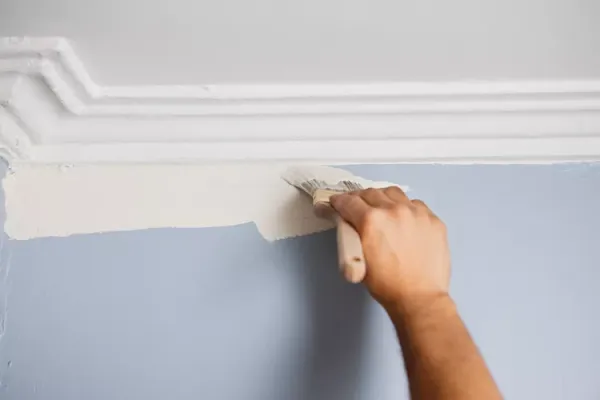
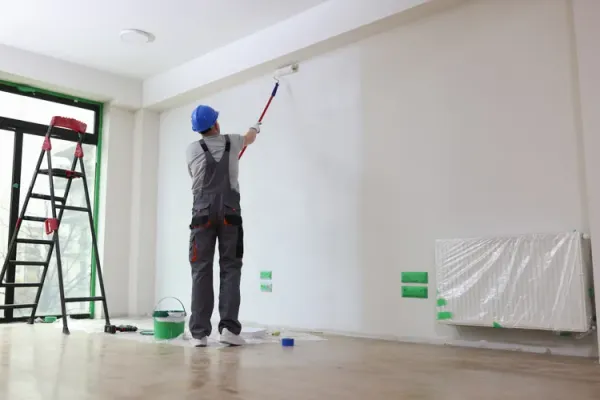
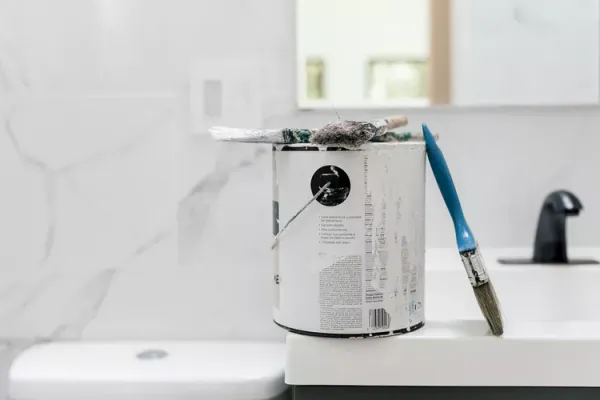
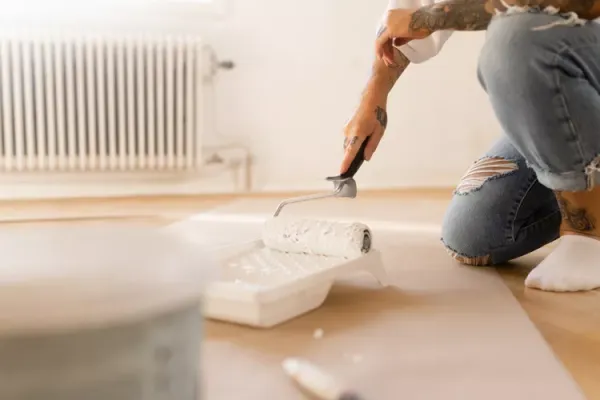
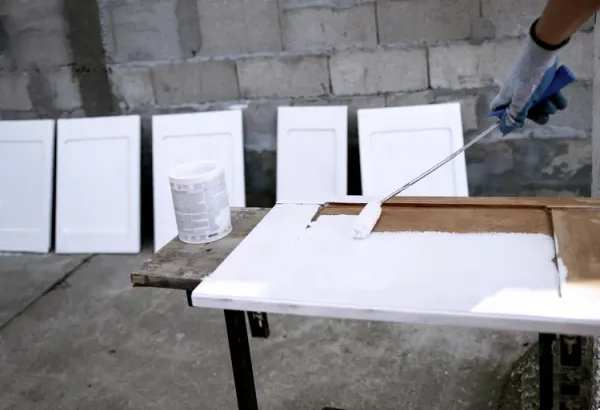
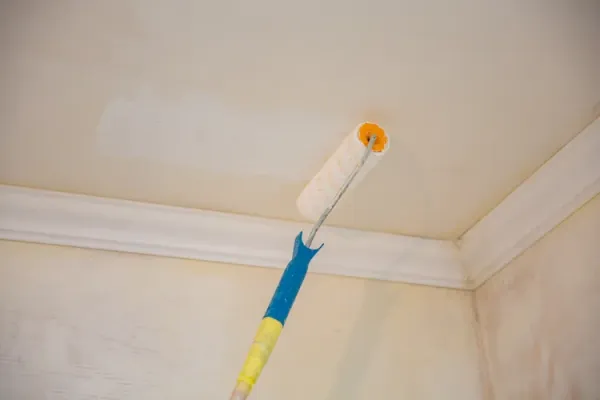
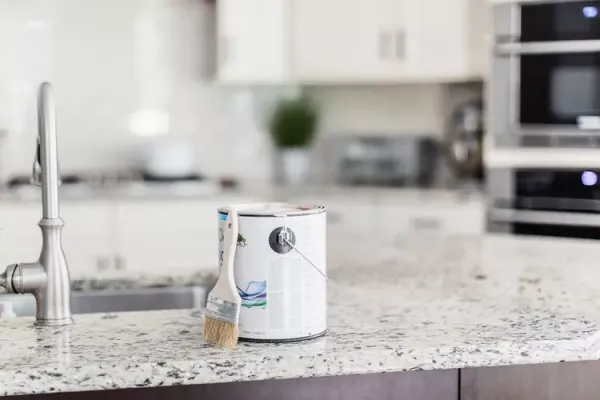
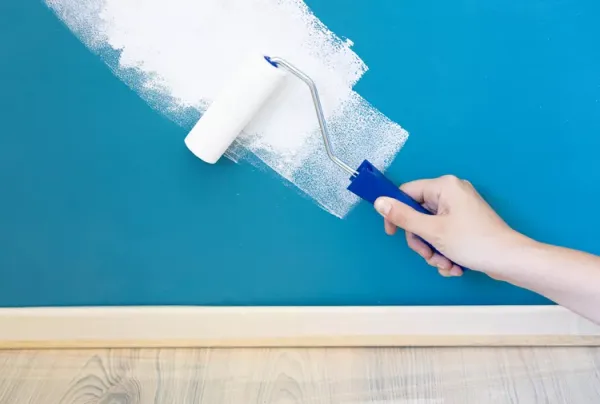
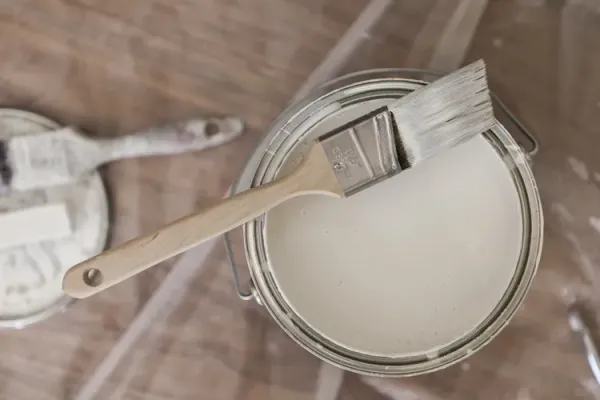
Painting tops the list of projects Gutierrez recommends homeowners tackle themselves. Whether it's refreshing walls, ceilings, or cabinetry, painting is a straightforward process that allows for creative expression. "If the color is off, or the brushstrokes aren't as smooth as you'd hoped—no big deal," Gutierrez says. "You're not carving your mistakes into stone; you're layering on a bit of character."
Installing wall treatments such as wallpaper, molding, or paneling is another project that may seem intimidating but is actually simpler than it looks. With a few tools and online tutorials, homeowners can achieve professional-looking results. Similarly, landscaping offers a chance to enhance curb appeal while enjoying the outdoors, even if the initial attempts involve trial and error.
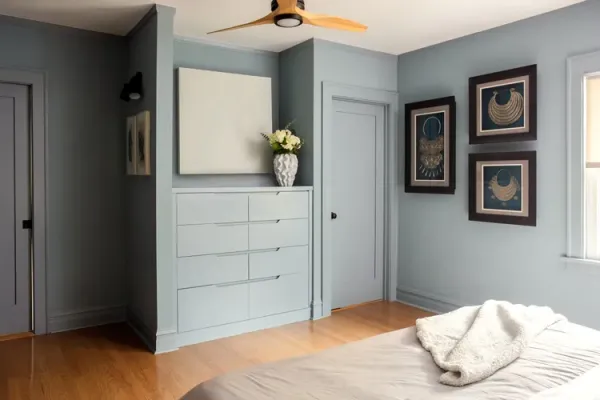
For those looking to organize their homes, installing shelves or ready-to-assemble closet systems is a practical DIY job that requires careful measuring but no specialized skills. Replacing light fixtures is another quick win; while complex electrical rewiring is not a DIY task, swapping out a fixture is a simple process that can be done in minutes, saving the cost of an electrician's hourly rate.
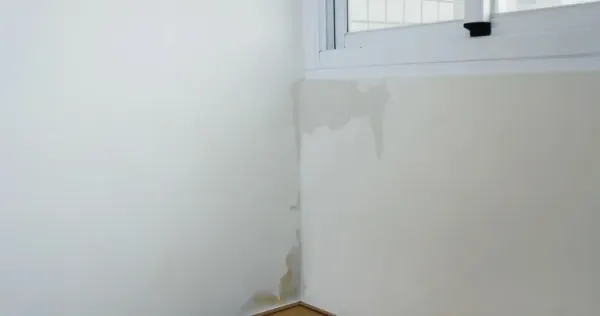
Simple drywall repairs, such as patching holes or replacing small sections, are also manageable for beginners. The materials—drywall sheets, mud, putty knives, a drill, screws, and sandpaper—are inexpensive, and the process is forgiving. "Once you tackle the first drywall project successfully, you'll never go back," Gutierrez notes.
When to Call the Pros
Despite the appeal of DIY, certain tasks are best left to licensed professionals. Electrical rewiring or upgrading the panel is at the top of Gutierrez's list. "Tinkering with your home's electrical system is like deciding to perform surgery on yourself because you watched a couple of YouTube videos," he warns. "Trust me, this is where you want a seasoned hand."
HVAC installation or repair is another job that requires specialized training due to safety risks and the potential for costly damage. Plumbing work, particularly anything involving water lines, should also be left to experts, as water damage can escalate quickly and lead to expensive repairs.
Structural changes—such as removing load-bearing walls, adding major extensions, or altering the foundation—demand the expertise of an architect or structural engineer. "You don't want to turn your home into a high-stakes game of Jenga," Gutierrez cautions. "You might think you're opening up space, but you could easily bring the whole place down on your head."
For homeowners considering a renovation, the key is to assess the scope and risk. While DIY can save money and add a personal touch, knowing when to hire a professional is equally important for safety and long-term value.


Leave a Comment