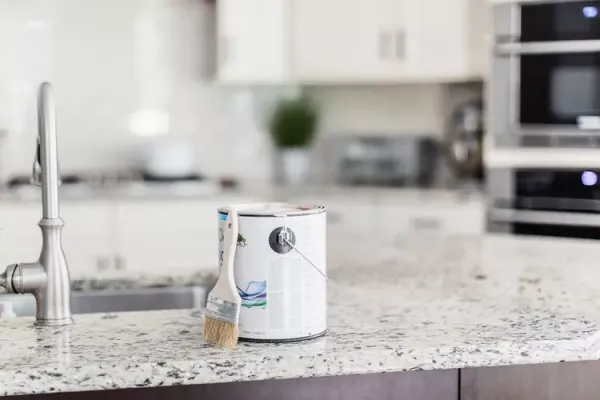
When repainting a kitchen, the choice of paint sheen is as practical as it is aesthetic. Unlike living rooms or bedrooms, kitchens endure frequent cleaning, cooking splatters, and high traffic, so the finish must resist wear while looking good. According to painting experts, satin and eggshell finishes are ideal for kitchen walls, while semi-gloss is the preferred choice for cabinets.
Paint sheen, also called finish, refers to the level of gloss in the dried paint. This characteristic affects not only the appearance but also the ease of cleaning and durability. Higher gloss paints are generally more scrubbable and resistant to stains, but they also highlight surface imperfections. The decision often comes down to balancing these factors for each surface.
Why Walls and Cabinets Differ
It's common to use a lower gloss on walls and a higher gloss on cabinets. This approach provides a subtle backdrop while making cabinets easier to wipe down. For a uniform look, a satin or semi-gloss finish can be used on both, though this may not be the most practical for all situations.
Kitchen walls typically benefit from eggshell, satin, or semi-gloss finishes. Areas behind the backsplash, which are scrubbed more often, may require semi-gloss or even high-gloss for added durability. These higher sheens withstand repeated cleaning without wearing away.
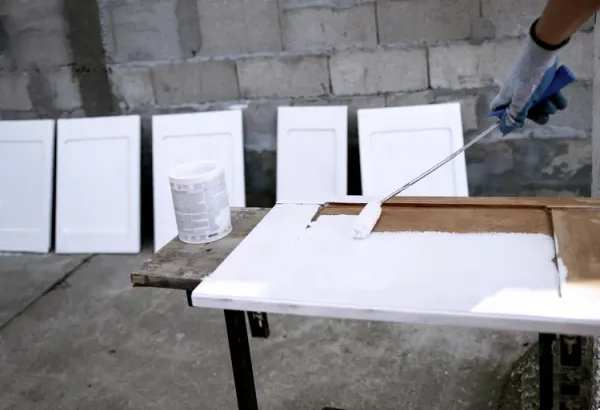
Cabinets and woodwork, such as door and window casings, are usually painted with semi-gloss or gloss finishes. The higher the gloss, the more visible brush marks become. To minimize this, painters often use oil-based paints or add water or linseed oil to the paint. Spraying or rolling the paint on can also eliminate brush marks entirely.
Understanding Paint Sheen Levels
Most paint manufacturers classify sheen into five levels: flat or matte, eggshell, satin, semi-gloss, and gloss or high-gloss. Each has distinct characteristics suited to different areas of the home.
Flat or matte paints offer a smooth, velvety finish that hides imperfections but are difficult to clean and prone to wear. They are best for low-traffic areas like ceilings and formal rooms. Some manufacturers offer scrubbable flat paints, but in high-impact zones, repainting is often the only effective cleaning method.
Eggshell paint has a low-luster finish that is slightly more scrubbable than flat and resists stains and scuffs better. It suits rooms with low to moderate wear, making it a viable option for kitchen walls.
Satin finish is a versatile choice for active rooms, including kitchens and bathrooms, and is popular in homes with children due to its balance of durability and appearance.
Semi-gloss is easily scrubbed and reflects light, making it suitable for high-traffic walls, hallways, and woodwork. However, its gloss can highlight wall blemishes, which is a consideration in older homes with patched surfaces.
Gloss or high-gloss is the most shiny and durable, ideal for areas requiring frequent washing. It is rarely used on walls due to its industrial look and tendency to expose flaws, but it excels on cabinets and woodwork that need heavy cleaning.
Technical Aspects of Sheen
The sheen level is determined by the ratio of resins, binders, and pigments in the paint. High-gloss paints contain more resins and binders, creating a hard, reflective surface. In contrast, paints with more pigments are flatter and less durable. Because glossier paints have less pigment, they may require two or three coats for full coverage, a trade-off many homeowners accept for the ease of cleaning in a kitchen.
Ultimately, the right finish depends on the specific needs of each surface and the homeowner's tolerance for maintenance. By matching the sheen to the function, a kitchen can remain both attractive and practical for years.


Leave a Comment