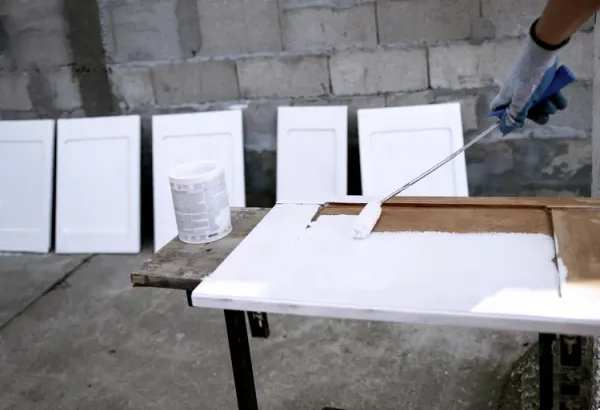
Refinishing kitchen cabinets is not a weekend project. According to two professional painters, the full process—from removing doors to the final coat—typically spans five to seven days for a DIYer working with brushes and rollers, and that timeline can stretch to three weekends if you only work on Saturdays and Sundays. The drying time alone, they note, can take 24 to 72 hours before hardware and doors can be reinstalled.
Paula Murray, owner of CertaPro Painters of Pittsburgh South Hills, and Bill Nishanian, owner of Nash Painting in Brentwood, Tennessee, both emphasize that rushing any stage—especially preparation—will compromise the result. “Consistent with any paint job, good prep is the most critical component,” Murray says.
Prep: The Most Time-Consuming Step
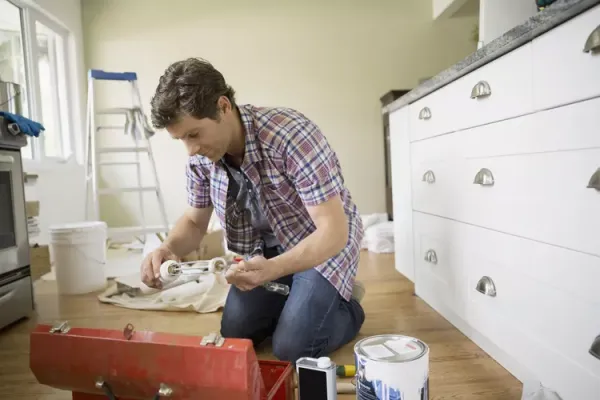
Before any paint touches the wood, you need to remove all doors, drawers, and hardware. Murray advises labeling everything and taking photos of the assembly to make reinstallation easier. Then comes degreasing: a solution to cut through cooking grime, followed by a water rinse and thorough drying.
Sanding comes next, using 1,000- to 1,500-grit paper on flat surfaces to help primer adhere. You’ll also need to tape off walls, backsplashes, and any remaining hardware. Murray says this prep work—on boxes, doors, and drawers—can easily take half a day, depending on the number of units and their condition.
If your cabinets have dings or scratches, expect to add time for filling, sanding, and re-sanding before you even start priming.
Priming and Painting: Time and Technique
Applying a bonding primer is a single-coat job, but it’s not quick. Murray estimates six to eight hours for this step. After the primer dries—which Nishanian says typically takes 90 minutes to two hours, depending on temperature and humidity—a light sanding and dust wipe-down are needed before paint.
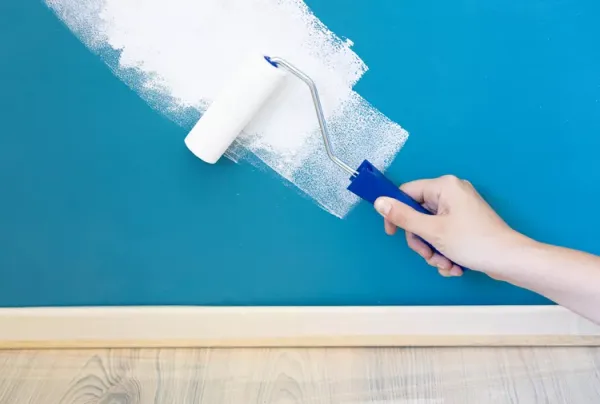
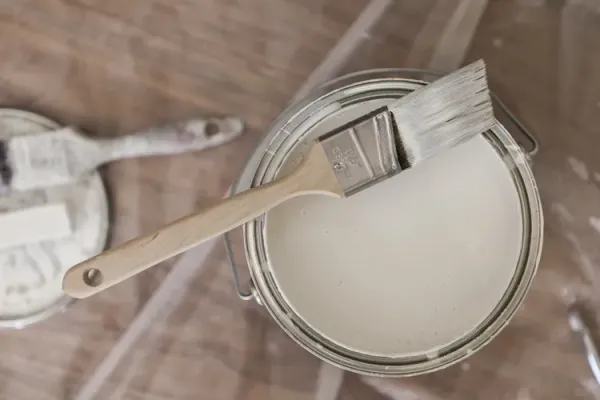
For the paint itself, both pros recommend a fast-drying acrylic urethane enamel. You can use a micro-fiber mini roller and angled sash brush, or a sprayer if you prefer. The key is to avoid overworking the paint: too little leaves patchy areas, too much causes drips and sags. Murray notes that while many of these enamels dry to the touch in about 15 minutes, you should wait 24 to 72 hours before reinstalling the doors, depending on the brand.
Why Masking Takes So Long
If you’re using a sprayer, be prepared for an extensive masking process. “Masking off the kitchen to use a sprayer takes a very long time,” Nishanian says. “You have to think about all the ways airborne paint can get where it is not supposed to go, and you also have to think about where the masking can and cannot be so that you can get 100% coverage without having to get out of brush or a roller.”
Pro Advice for First-Timers
Murray offers several tips for those tackling this project for the first time. She suggests practicing on a spare cabinet door from a secondhand store or even a curbside find, so you can see how the finish will look before committing to your own cabinets. If that’s not possible, test on the inside of an out-of-the-way door.
When choosing new hardware, Murray advises sticking with the original footprint to avoid having to spackle and re-drill holes. After the job is done, she recommends storing a small mason jar of touch-up paint in the kitchen for future chips, and installing stick-on cabinet bumpers as a final step.
The takeaway: painting cabinets is a labor-intensive process, but with realistic expectations and careful attention to each stage, the result can look professionally done.

Leave a Comment