Painting a room that's already furnished doesn't have to mean moving everything out or risking damage to your belongings. Professional painters say that with a few strategic steps, you can protect your furniture, floors, and even your health. Here's what they recommend.
According to Luke Hass, head of sales at Pearl Painters, the first step is to remove fragile items from the room entirely. "You'll be focused on rolling walls, not what is behind you, and if that happens to be fragile, it will most certainly get hit," he warns. The day before you start, take down all wall decor, including switch plates, and clear out anything delicate.
Prep the Space to Avoid Accidents
Once fragile items are out, the next move is to push all remaining furniture to the center of the room. Paula Murray, owner of CertaPro Painters, advises leaving a clear path for ladders and movement, and a designated spot for your paint and supplies. All the experts agree on keeping at least 2 to 3 feet between furniture and walls. If you prefer a phased approach, you can move furniture one wall at a time and tackle the project in four sections.
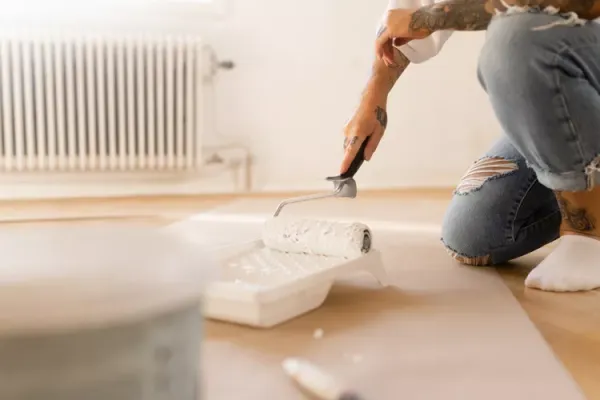
Covering furniture is non-negotiable. Brian Morgan, brand president of 360 Painting, suggests using drop cloths or plastic and taping the seams so no surface is exposed. He also emphasizes taping around door and window trim because paint rollers create a mist that can leave specks. However, when it comes to floors, Murray advises against plastic. "Never use plastic to cover floors. It can be dangerous because it is slippery and prone to tears caused by traffic, which can allow paint to seep through," she explains. Canvas drop cloths are the safer choice.
Manage Airflow and Odors
Ventilation is crucial, both for safety and to keep your furniture from absorbing paint smells. Open windows and doors, run fans, and consider air purifiers. Morgan also suggests placing bowls of baking soda around the room to naturally absorb odors, or using activated charcoal as an alternative. Sealing off unpainted areas with plastic sheeting can prevent fumes from spreading through the house. For those particularly sensitive to smells, low- or no-VOC paints are an option, though they come at a higher price.
After the painting is done, patience is key. All the pros recommend letting the room breathe for 2 to 3 days before moving furniture back. To speed up drying and reduce lingering fumes, Morgan advises keeping the temperature between 60 and 70°F, since warmer temperatures slow drying and make fumes last longer. Running fans and air purifiers with activated carbon filters can also help absorb the odor.
These steps, drawn from the experience of professional painters, can make the difference between a smooth project and a messy one. Whether you're refreshing a bedroom, kitchen, or living room, a little preparation goes a long way.


Leave a Comment