
Adding square footage to a home is a significant financial undertaking, with the national average landing near $50,000. However, that figure masks a wide spectrum, as projects can range from a modest $4,000 bump-out to a sprawling $600,000 second-story addition, according to industry data from HomeAdvisor.
The final price tag hinges on a complex mix of variables, including the addition's size, its intended purpose, the complexity of electrical and plumbing systems, and regional labor rates. Homeowners should expect to pay between $80 and $200 per square foot for a standard, ground-level addition, though costs escalate sharply for upper-level work.
Cost Breakdown by Addition Type
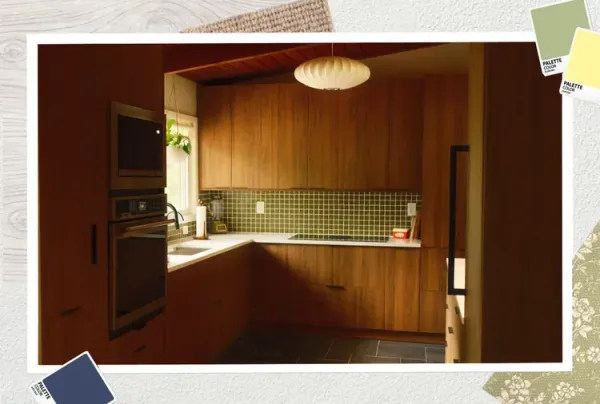
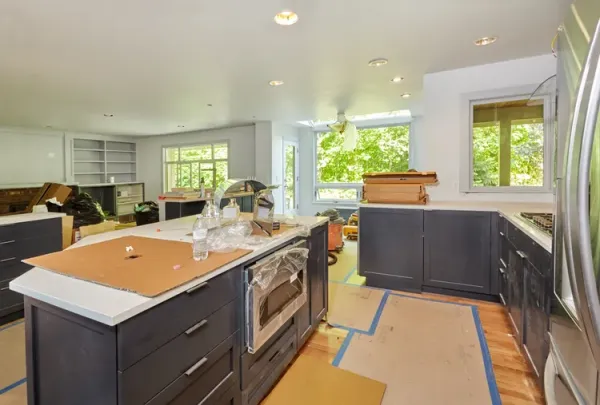
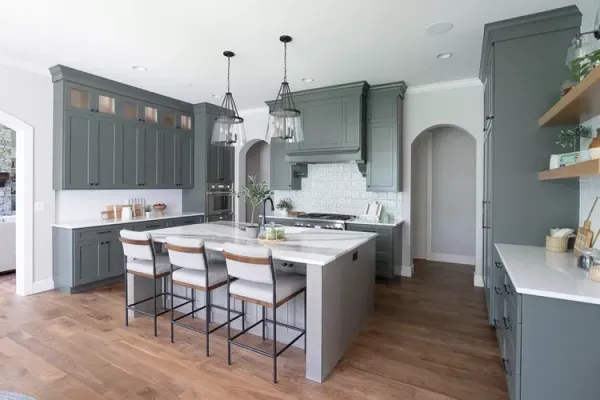
Different types of additions carry vastly different price points. A simple porch might cost between $5,000 and $25,000, while a full in-law suite can run from $50,000 to $100,000. Kitchens are among the most expensive, with costs ranging from $20,000 to $125,000 depending on finishes and appliances. At the high end, a second-story addition, which requires extensive roof work, averages $300 to $500 per square foot, pushing total costs to anywhere from $80,000 to $600,000.
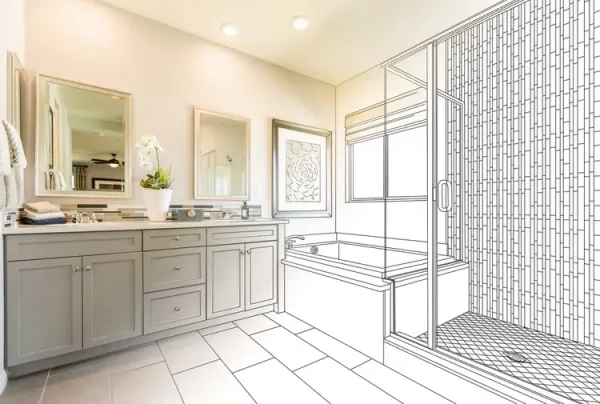
For those considering a bathroom, the price is substantial: adding a standard bathroom alone averages around $35,000, but a larger 100-square-foot luxury version with high-end materials like natural stone can reach $90,000. Integrating a bathroom into a primary bedroom suite adds roughly $40,000 to the base cost of the room.
Key Cost Drivers: Labor, Permits, and Location
Labor is a major component of any addition. General contractors typically charge 10% to 25% of the total project cost, while architects take 5% to 20%. Hourly rates for tradespeople vary: electricians charge $50 to $130 per hour, plumbers $45 to $150, and structural engineers $70 to $250. Site preparation, including demolition and excavation, can add $500 to $10,000.
Permits are another unavoidable expense, ranging from $200 to $3,000 depending on the municipality and the scope of work. The location of the addition relative to existing utilities—such as HVAC, electrical lines, and plumbing—can also affect costs; easier access to these systems can reduce expenses.
Strategies to Reduce Costs
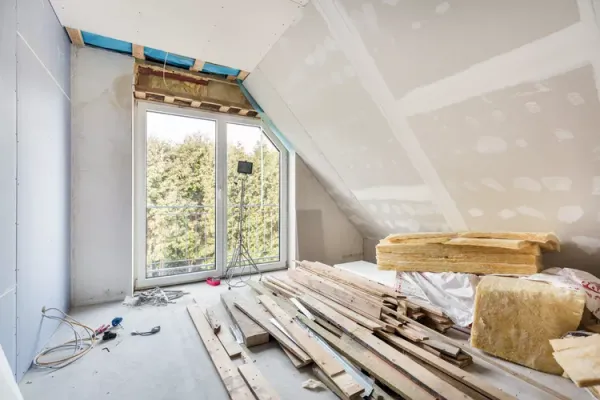
Homeowners can take several steps to keep expenses in check. Reducing the size of the addition is the most direct way to save; shrinking a living area by a third proportionally lowers the price. Converting an attic into a second story is often cheaper than building outward, as it avoids foundation work. Being flexible with scheduling—avoiding the peak spring renovation season—can sometimes yield discounts. Supplying your own materials, such as bathroom fixtures, and handling DIY finish work like painting can also cut labor and markup costs. However, experts advise discussing these arrangements with the contractor well in advance and avoiding mid-project changes, which invariably drive up costs.
Financing Options for Home Additions
Beyond savings, homeowners have several financing routes. Home improvement loans offer a lump sum with fixed monthly payments, though interest rates are higher than other options. Home equity loans function as a second mortgage, providing fixed rates and potentially tax-deductible interest. A home equity line of credit (HELOC) works like a credit card, with variable rates and a typical 10-year draw period. Cash-out refinancing allows homeowners to borrow up to 80% of their home's value, but requires significant accumulated equity.
Ultimately, the cost of a home addition is highly individualized. Homeowners are advised to obtain multiple estimates and factor in all potential expenses—including permits, labor, and contingencies—before committing to a project.














Leave a Comment