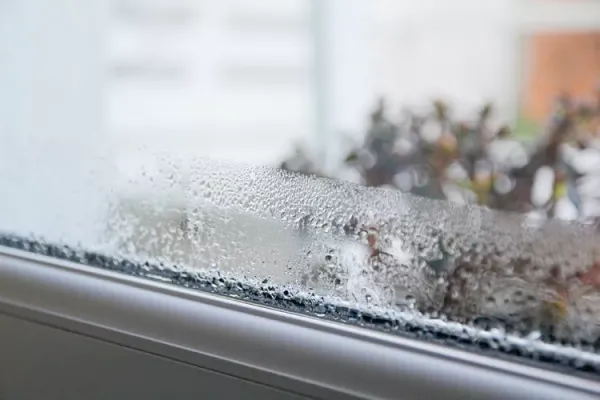
When summer heat and prolonged rain push indoor humidity to uncomfortable levels, the effects go far beyond sticky skin. Excess moisture can quietly undermine the structure and surfaces of your home, leading to costly repairs if left unchecked. From mold infiltrating walls to floorboards warping underfoot, the damage often goes unnoticed until it becomes severe.
According to home improvement experts, the most immediate threat is mold growth. Damp conditions allow mold to spread not only on walls but also on soft furnishings like pillows and rugs, especially in poorly ventilated areas. For households with asthma or allergies, this can trigger or worsen respiratory symptoms, making early intervention essential.
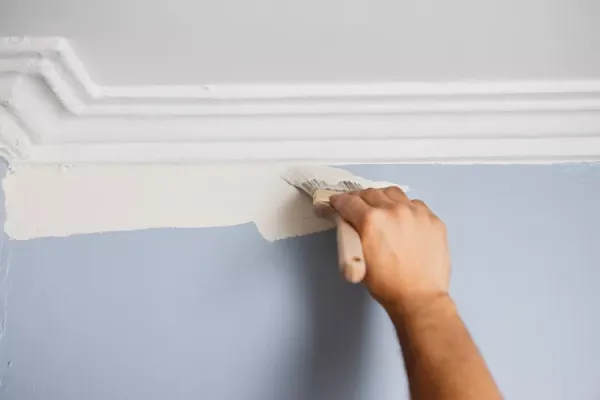
Beyond health concerns, humidity accelerates wear on finishes. Condensation buildup causes wallpaper to curl and paint to peel, and simply repainting or re-wallpapering won't address the underlying moisture problem. The same excess dampness can rot wooden furniture, floorboards, and window frames, compromising both appearance and structural integrity.
Structural Strain and Safety Risks
High humidity doesn't stop at surfaces. It can damage drywall, concrete, and even metal support beams, which many homeowners don't expect. Wooden structural beams and studs swell and contract with changing moisture levels, leading to cracks in walls that allow even more moisture to seep in. Over time, wooden floors may sag or crack, creating potential safety hazards for residents.
These issues are particularly pronounced in regions that experience extended periods of high humidity, as the constant moisture stress accelerates deterioration. The key is to recognize the signs early—such as musty odors, visible condensation, or warping—and take corrective action before minor issues become major repairs.
Practical Ways to Lower Indoor Humidity
Fortunately, there are several effective strategies to reduce indoor humidity. Dehumidifiers are designed specifically for this purpose and work well in moisture-prone areas like basements and bathrooms. Running exhaust fans during activities that generate steam—such as bathing and cooking—also helps remove excess moisture from the air.
One of the simplest and most cost-free methods is opening windows to let fresh air circulate, which can absorb and carry away dampness. Reducing water usage, such as taking shorter and cooler showers, can also make a noticeable difference. For ongoing peace of mind, installing indoor air quality monitors with humidity sensors can alert homeowners to problematic levels before damage occurs.
While these measures require some effort, they are far less expensive than repairing mold damage, replacing rotted wood, or addressing structural issues. By staying vigilant and proactive, homeowners can protect their investment and maintain a healthier living environment.




Leave a Comment