With the average U.S. tax refund ranging from roughly $2,000 to $3,500, many households have a modest but meaningful sum to put toward their homes. Rather than letting that money sit idle, a growing number of homeowners are channeling it into practical upgrades that improve comfort, appearance, and long-term value. Industry experts suggest that even a few hundred dollars can make a visible difference, provided the projects are chosen wisely.
According to recent IRS filing statistics for early 2025, the average refund is about $3,000. That figure aligns with the cost of several common home improvements, making it feasible for many to tackle projects that might otherwise be deferred. The key is to prioritize tasks that offer the most impact for the investment, whether that means refreshing a kitchen, boosting energy efficiency, or simply enhancing curb appeal.
Budget-Friendly Projects for Smaller Refunds
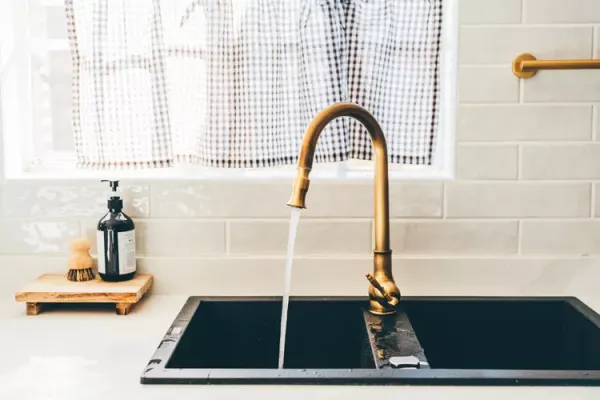
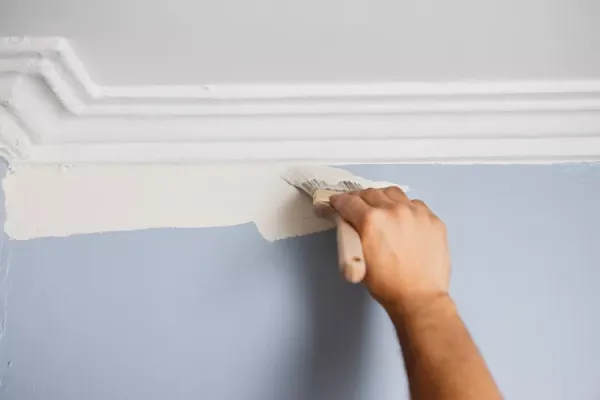
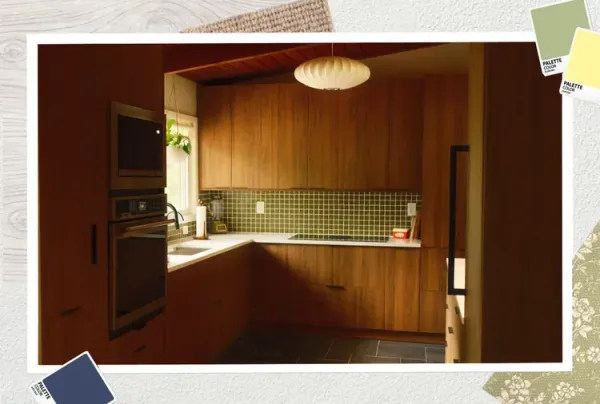
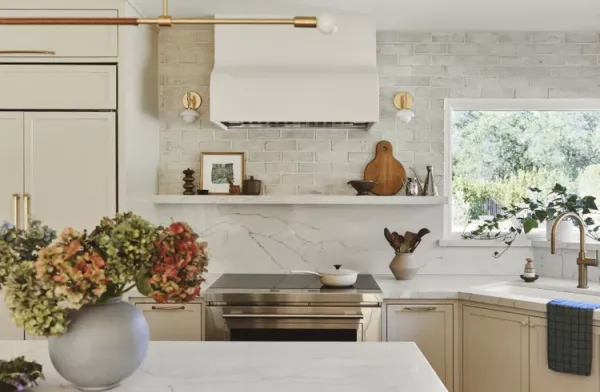
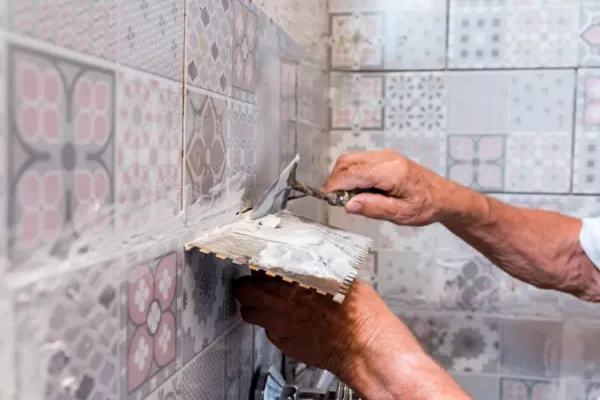
For those receiving a refund on the lower end, projects like a peel-and-stick kitchen backsplash can be transformative. Alecia Taylor, an interior designer at CabinetNow.com, notes that such installations can cost as little as $200 to $500, making them an accessible DIY option. Similarly, a fresh coat of paint can rejuvenate a room for under $300 if done personally, according to Jeri Goodwin Dausey, a general contractor with Violation Clinic. Both experts emphasize that these low-cost updates can deliver a high visual payoff without requiring professional labor.
Lighting upgrades are another affordable avenue. Replacing outdated fixtures or adding LED under-cabinet lighting can be done for under $500, and switching to LEDs also reduces energy bills over time. This project offers a dual benefit: immediate aesthetic improvement and ongoing operational savings.
Mid-Range Upgrades That Add Protection and Efficiency
For refunds in the $800 to $1,500 range, homeowners can consider installing gutter guards. Brandon Foote, a roofing contractor and owner of Advanced Roofing & Construction, explains that this project helps prevent clogs and ice dams, protecting both the gutter system and the home's foundation. While some may attempt a DIY installation, hiring a professional typically costs between $800 and $1,500.
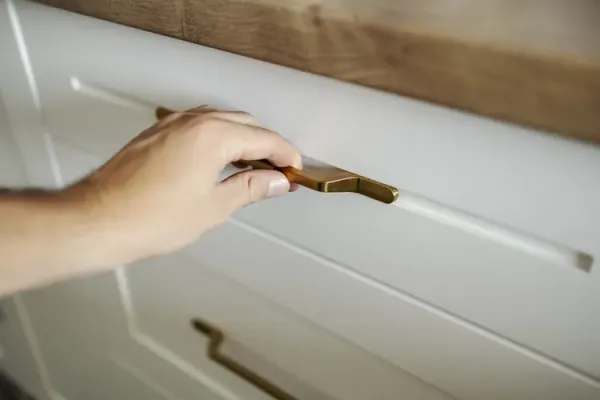
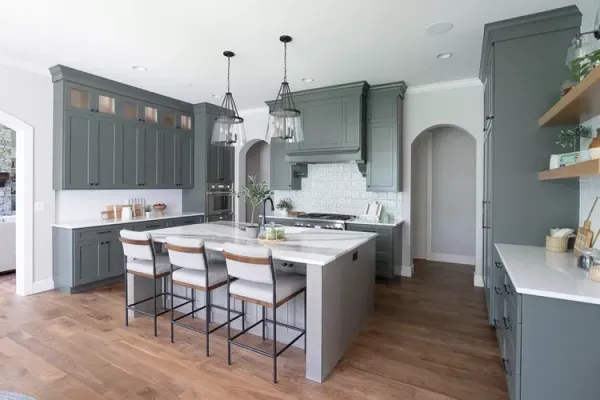
Cabinet refacing is another option within this bracket, especially for kitchens and bathrooms. Instead of replacing entire cabinets, homeowners can paint or install new doors, with professional refacing running $1,500 to $4,000. Taylor suggests that do-it-yourselfers can achieve a similar effect for a fraction of the cost by painting and swapping out hardware.
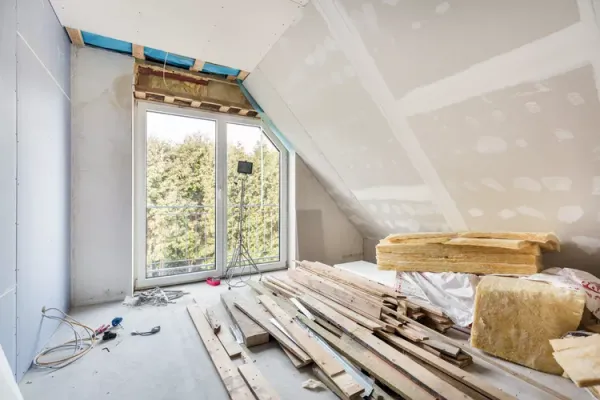
Attic insulation and ventilation upgrades, while less visible, offer long-term energy savings. Foote estimates that professional insulation installation costs about $1.75 to $2.75 per square foot, with ventilation upgrades ranging from $600 to $1,600. These improvements can reduce heating and cooling expenses, making them a wise investment for the future.
Larger Projects for Those With Heftier Refunds
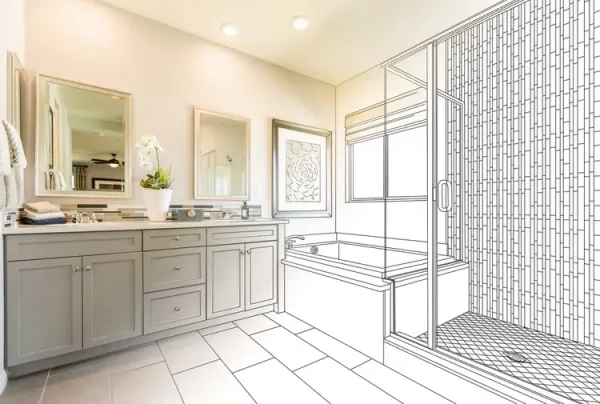
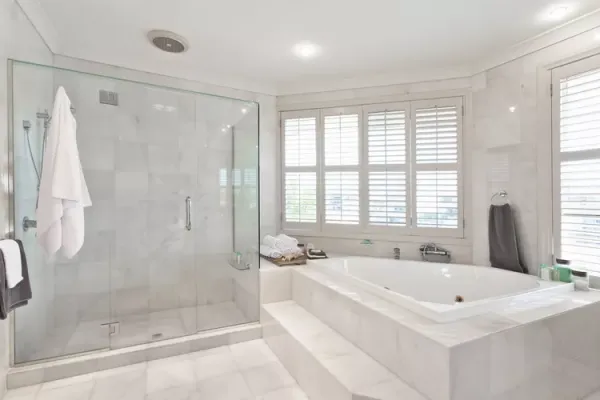
Homeowners with refunds in the $1,500 to $5,000 range might consider new flooring. Goodwin Dausey notes that DIY-friendly flooring installations can avoid labor costs while still making a noticeable impact on daily living. Similarly, a minor bathroom renovation—such as updating the vanity, mirror, and lighting—can be accomplished within a $2,000 to $4,000 budget, provided the existing structure remains in good condition.
While full-scale renovations may exceed typical refund amounts, these targeted upgrades allow homeowners to stretch their dollars effectively. By focusing on projects that offer both immediate satisfaction and long-term benefits, a tax refund can be transformed into a lasting improvement to one's living space.








Leave a Comment