As the calendar turns to 2025, many homeowners are mapping out renovation projects, but industry professionals caution that not every upgrade will pay off. Designers and project managers point to five common renovations that often fail to deliver lasting value, leaving homeowners with buyer’s remorse and a harder time selling later.
The advice comes from Elizabeth Vergara, owner and principal designer at Vergara Homes in New York City, and Joe Meringolo, founder and principal designer at JSM Project Management, a luxury residential and commercial firm. Both have seen clients pour money into projects that don’t translate into increased home value or market appeal.
One of the biggest traps, they say, is investing in overly customized built-in bookshelves and entertainment units. While these features can elevate a room and provide storage, they often make a space feel rigid and unappealing to future buyers. “They might feel perfect for your needs right now, but they can make a space feel rigid and less appealing to future buyers,” Vergara explains. Her recommendation: opt for stylish modular furniture that offers the same functionality but can be easily swapped out, or consider DIY built-ins for a more affordable, flexible approach.
Why Whirlpool Tubs and Flashy Trends Fall Flat
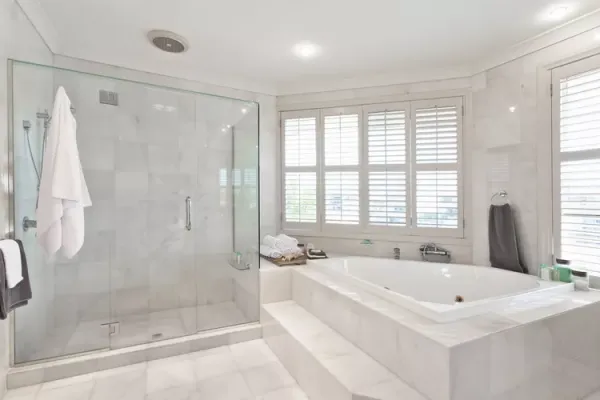
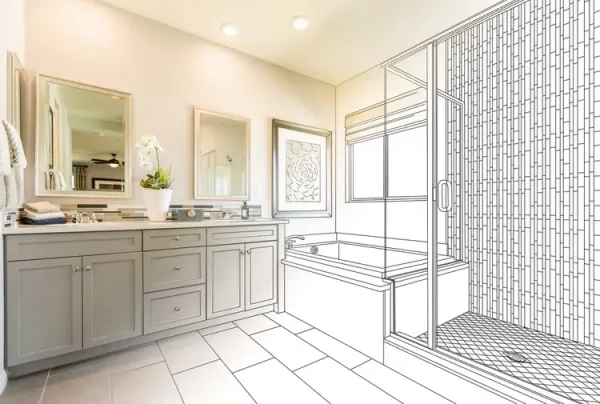
Large whirlpool tubs are another renovation that rarely pays off, according to Vergara. Although they promise a spa-like experience, they often collect dust because they’re impractical for daily use. With their large footprint and hefty price tag, Vergara suggests skipping them in favor of a sleek walk-in shower with high-quality fixtures. “It feels just as luxurious but is way more functional and universally loved,” she says.
Flashy trends are also a concern, especially with the rapid cycle of styles fueled by social media. Vergara advises homeowners to avoid jumping on the latest trend that goes viral online, as it may quickly become outdated. Instead, she recommends sticking to timeless foundations and using accents like paint, hardware, or decor to incorporate trends. “That way, you can swap them out easily when your tastes (or the trends) change,” she notes.
The Pitfalls of Overbuilding and Home Theaters
Overbuilding for the neighborhood is a common mistake that can have significant implications at resale. Meringolo emphasizes the importance of considering who the next buyer might be. “It’s generally seen as a waste of money to spend too much or too little in different locations,” he says. For instance, in a luxury home neighborhood, using off-the-shelf cabinets may be a waste, while in a more modest area, elegant finishes may not recoup their cost.
Similarly, built-in home theaters are a project Meringolo advises against, given the substantial investment and complex installation. Beyond the equipment, homeowners must build acoustically rated infrastructure, including new walls, ceilings, floors, and sound attenuation. Rather than extensive built-ins, he suggests outfitting an existing area with a better sound system and projector, avoiding major tear-downs.
For homeowners planning renovations this year, the key takeaway is to focus on functional, timeless upgrades that appeal broadly. Matching the scope of work to the neighborhood and avoiding overly personalized or trend-driven projects can help ensure that investments add value rather than become liabilities.








Leave a Comment