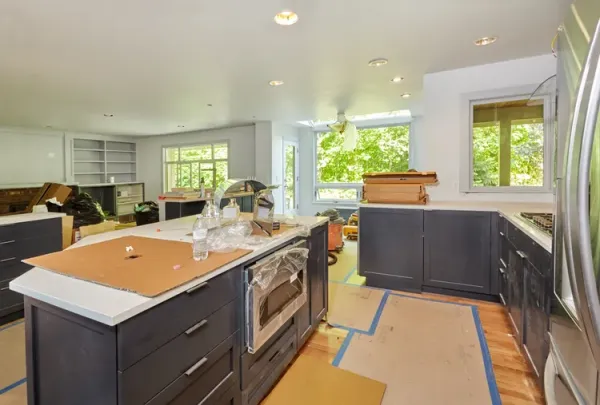
When homeowners decide to invest in their property, the goal is often to boost both comfort and resale value. But not all renovations are created equal. Two industry professionals—Hans Ingram, a real estate expert and partner at JSM Project Management, and Thomas Borcherding, owner and lead designer at Homestar Design Remodel—agree that four specific categories consistently deliver the best returns: kitchens, bathrooms, curb appeal, and energy efficiency. Their advice, however, comes with a caution: over-personalizing a home can actually hurt its marketability.
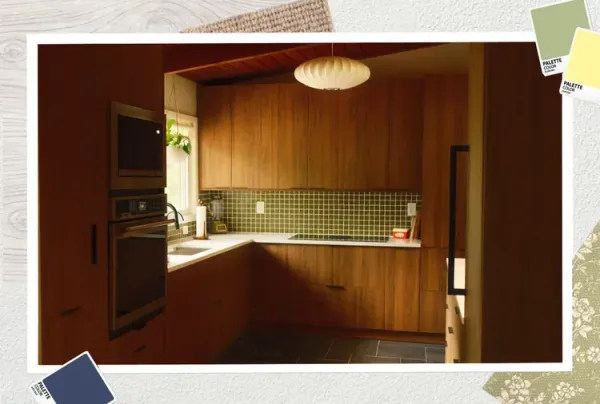
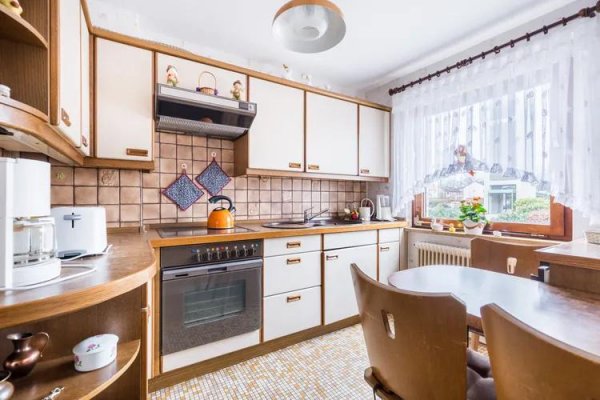
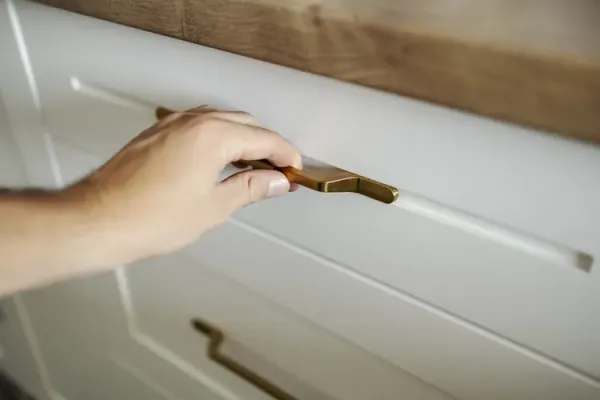
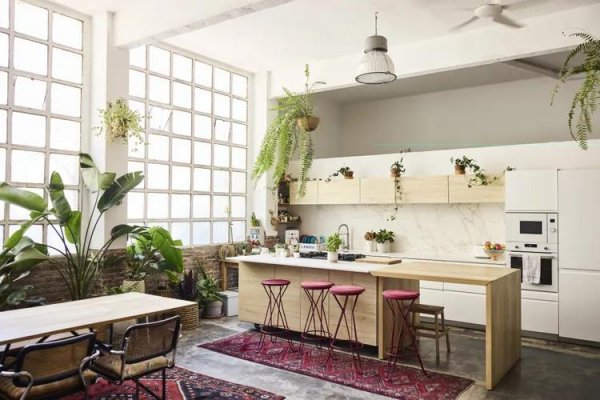
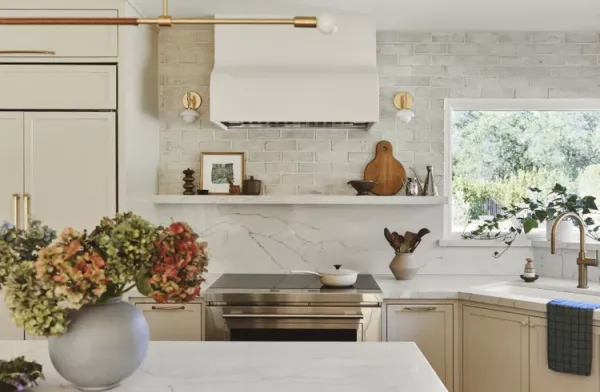
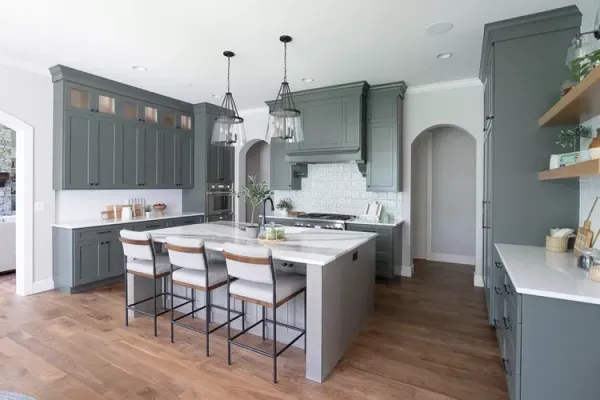
Ingram emphasizes that kitchen renovations are a reliable high-ROI upgrade, but only if the design appeals to a broad audience. "Over-customization kills your returns," he says. "Buyers want quality appliances, solid countertops, and functional layouts, but that $15,000 custom range you've been eyeing? It's not going to move the needle when you sell." To keep costs down, Borcherding suggests contacting a local cabinetry dealer, which can lead to discounts of up to 50% off MSRP. Many of these dealers also offer free in-house design services, further reducing the overall expense.
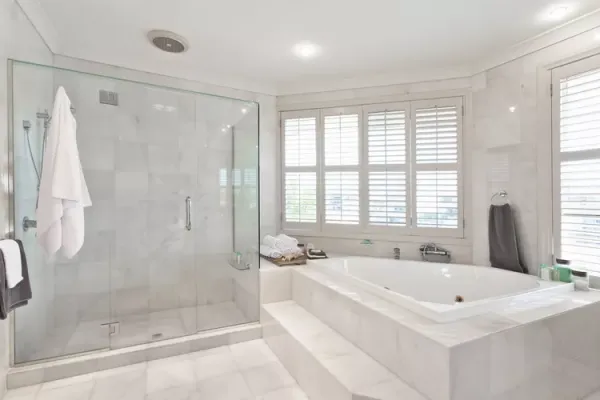
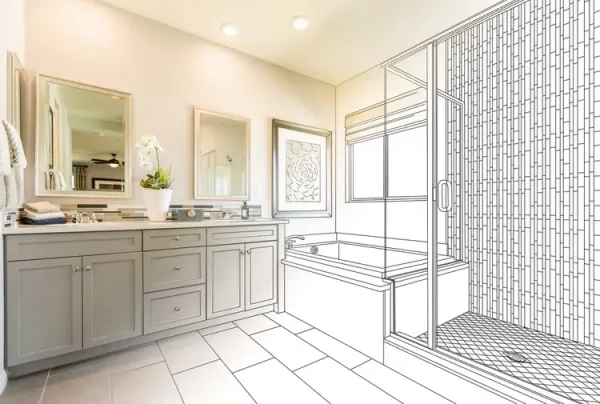
Bathrooms are another area where homeowners can see a significant return. Ingram notes that bathroom updates average a 60% to 70% ROI. "Buyers notice outdated bathrooms immediately, and frankly, for many, it's a dealbreaker that affects their entire offer," he says. "Modern fixtures, better lighting, and neutral tile choices make a huge difference without breaking the bank." Borcherding adds that keeping bathroom changes simple—avoiding moving plumbing or electrical lines—can drastically cut costs.
Why Curb Appeal Matters More Than You Think
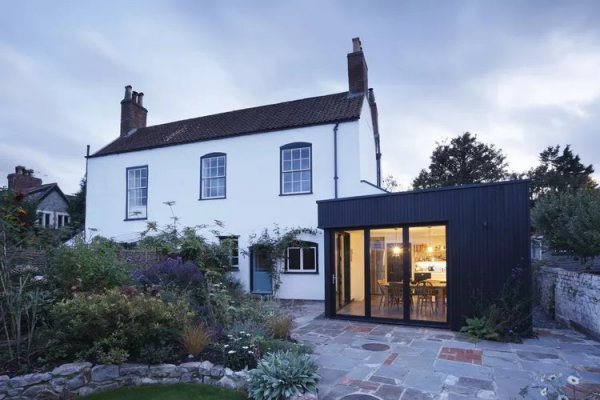
While interior improvements often take center stage, Ingram points out that first impressions are crucial. "A new garage door can return 90-95% of its cost, one of the highest ROI improvements you can make," he says. Fresh landscaping and an updated front door also contribute to what he calls a "crucial positive first impression that colors everything a buyer sees afterward." For those planning multiple exterior upgrades, Borcherding recommends hiring a single contractor. "Many companies have minimum profit requirements," he explains. "Once this minimum is met, you can realize some serious cost savings."
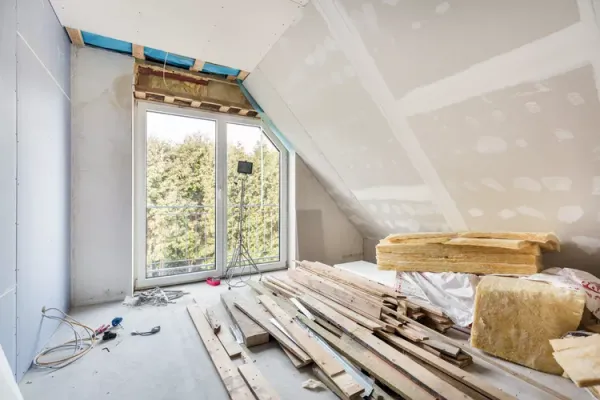
Energy efficiency is becoming a deciding factor for many buyers, especially as utility prices rise. Ingram notes that "new windows, better insulation, and modern HVAC systems used to be afterthoughts, but now they're becoming expected features. People care about their utility bills." Borcherding points out that some energy upgrades, like new windows or a front door, also enhance curb appeal, offering a double benefit. He advises homeowners to source windows from smaller local contractors rather than large replacement companies to get better deals, and to pay attention to energy performance metrics, as "price increases exponentially with diminishing energy returns as you go up in models."
Renovations That Don't Pay Off
Not every upgrade is worth the investment. Ingram warns that pools rarely pay off in most markets, and luxury remodels that make a home significantly nicer than the neighborhood average usually underperform. Sunrooms, while attractive, are costly to maintain, energy-inefficient, and don't appeal to the average buyer. Wallpaper, despite its recent popularity, often turns off buyers who see it as a removal project. For homeowners focused on maximizing returns, sticking to the four proven categories—while avoiding over-customization—appears to be the safest strategy.








Leave a Comment