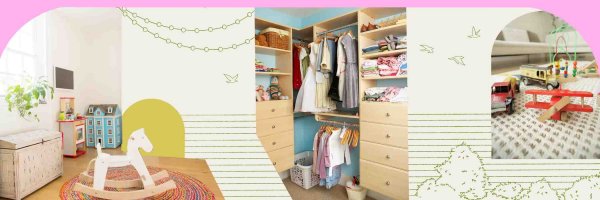
When a new baby arrives, most parents think about baby-proofing—outlet covers, cabinet locks, and corner guards. But for families who want to avoid constant renovations, the smarter approach is to "future-proof" the home, making upgrades that serve children from infancy through the teen years and beyond. Contractors and remodeling experts across the country recommend seven key improvements that balance safety, practicality, and long-term value.
The concept is simple: choose upgrades that are flexible enough to adapt as a child's needs change. For instance, a bathtub that works for bathing a toddler can also be a relaxing soak for a teenager. Similarly, storage solutions that hold toys today can later store books and gaming consoles. This strategy not only saves money in the long run but also reduces the hassle of repeated renovations.
Start with the Bathroom and Kitchen
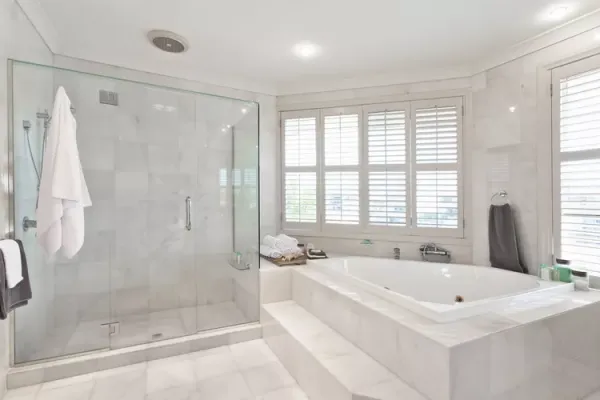
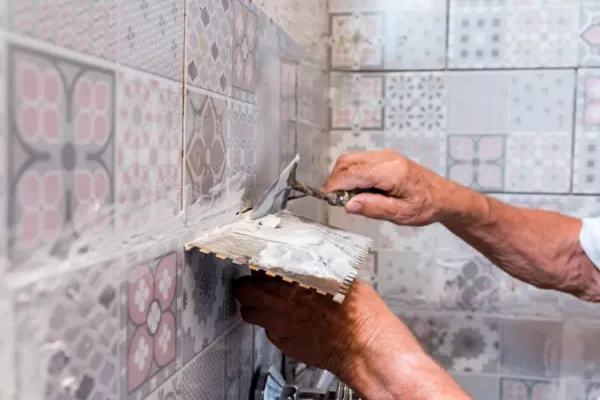
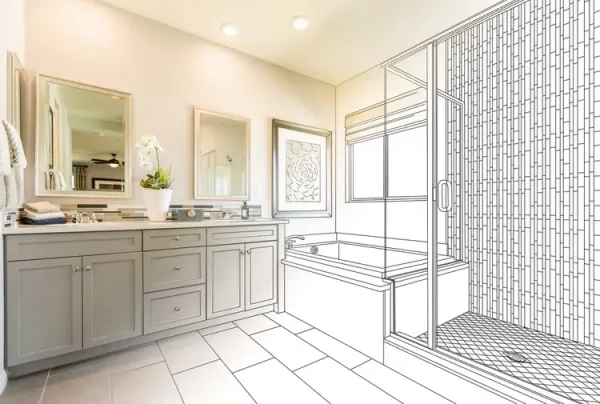
Andriy Bezruchuk, owner of Bezruchuk Inc. in Puyallup, Washington, advises families to install a larger-than-standard bathtub—34 or 36 inches wide instead of the typical 32. He suggests skipping the tub-and-shower combo in favor of a tub with a tiled surround, which looks more sophisticated and allows for built-in niches at varying heights—one low for kids, one higher for adults.
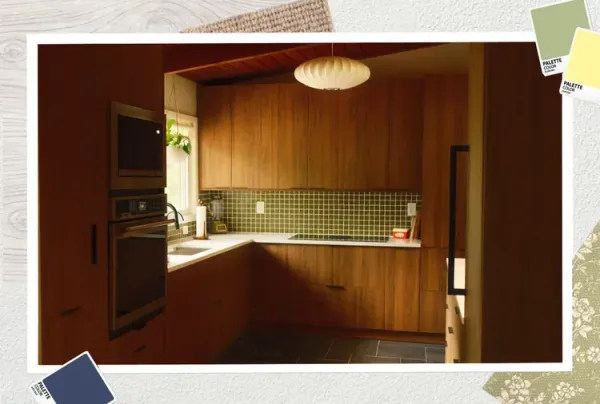
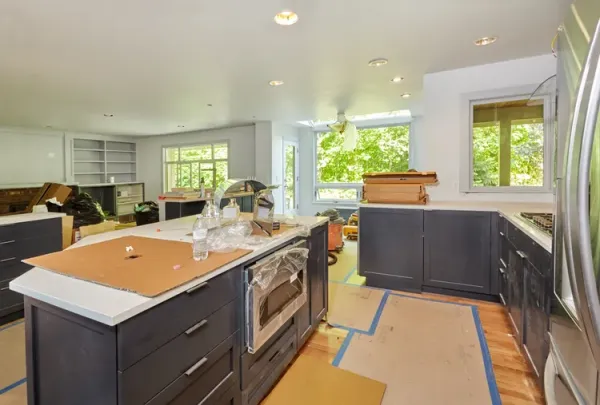
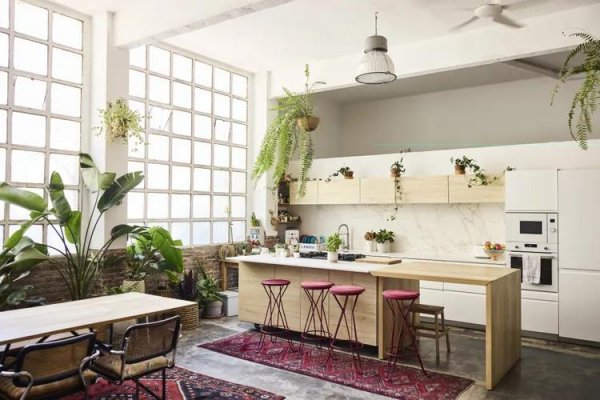
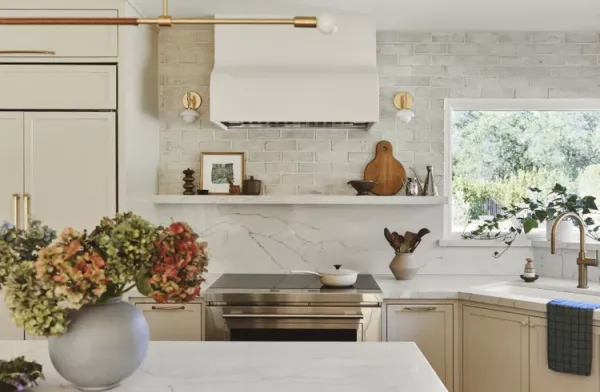
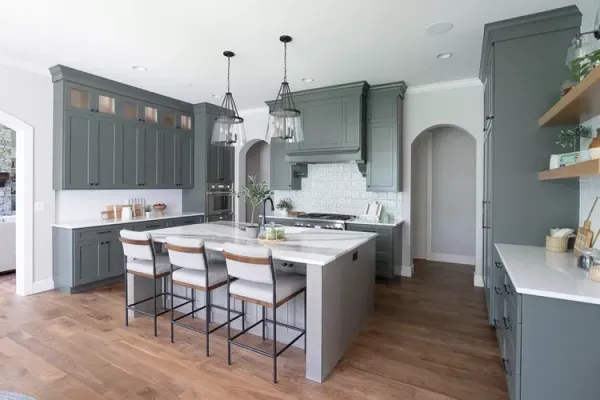
In the kitchen, Nicky Ricciardi of HPM Craftsmen in the Hudson Valley recommends open-concept layouts that allow parents to supervise young children while cooking. As kids grow, these spaces become natural gathering spots for homework and family meals. Ricciardi also highlights induction stovetops, which remain cool to the touch, reducing burn risks for all ages.
Smart Storage and Safety Details
Built-in cabinets and shelving are a favorite among contractors. Jonah Canter of Canter Construction in Charleston, South Carolina, notes that custom built-ins in living areas can store toys when children are young, then transition to hold books and electronics as they age. Christina Pitcher, a DIY renovator who documents projects with her husband on Instagram, says her own built-in bar area from their newlywed days now serves as a play station for their toddler.
For entryways, Canter suggests replacing a traditional coat closet with an open mudroom featuring hooks and shelves. "No kid's going to pull a Mister Rogers and take a coat off and hang it in a closet," he jokes. Hooks are easier for children to use and take up less space, making them ideal for both small and large homes.
Rounding out the list, contractors recommend rounded edges on countertops to prevent injuries, adjustable closet systems that can be reconfigured as needs change, and solid-core doors for better soundproofing. Pitcher calls solid-core doors "a game changer" for reducing noise transfer, useful both for napping babies and for teens who blast music or movies.
These upgrades not only make daily life easier but also add resale value. Adjustable closets, for example, appeal to future buyers, and open, flexible spaces are attractive to a wide range of homeowners. By thinking ahead, families can create a home that truly grows with them.



Leave a Comment