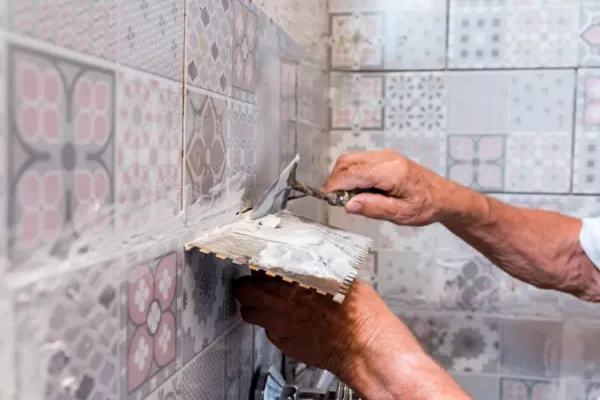
Homeowners who want to refresh a tiled floor or wall without the back-breaking work of demolition may be able to install new tile directly over the old—provided the structure can handle the extra load and the existing tiles are firmly attached. This approach, commonly called "tile over tile," can cut both time and disposal costs, but it requires careful assessment and preparation to avoid problems down the line.
The first and most critical factor is whether the home's framing can support the additional weight. Tiling over tile adds a second layer of ceramic or porcelain, which can be heavy—especially over a large area. If the existing floor or wall system isn't designed for that extra load, the results could be structural damage or even failure. A licensed contractor or structural engineer can provide a definitive answer if there's any doubt.
Equally important is the condition of the existing tile. Each tile must be firmly bonded to the substrate beneath it. A simple tap test—using a small piece of wood or a similar object—can reveal hollow spots, which indicate that the tile has lost adhesion. If any tiles sound hollow, they must be repaired or replaced before new tile can be installed; otherwise, the new layer will only worsen the problem.
Why Homeowners Choose This Route
The appeal of tiling over tile is straightforward: it eliminates the most labor-intensive and costly part of a tile renovation—removal. Demolishing old tile is physically demanding and produces heavy debris that often must be hauled to a special landfill, where disposal fees are typically based on weight. By leaving the old tile in place, homeowners avoid those costs and the effort of cleanup. It's also a more eco-friendly option, as it keeps waste out of landfills and reduces the need for new materials.
Another advantage is that tiling over tile can protect the substrate—the layer beneath the tile—from damage that often occurs during demolition. When old tile is ripped up, the substrate can be chipped or gouged, requiring repairs before new tile can be laid. Tiling over the existing surface sidesteps that issue entirely.
What to Check Before You Begin
Before committing to this method, consider the practical implications of a thicker floor. The added height can affect door clearances, appliance fit, and may create a tripping hazard at transitions to other rooms. Measuring carefully and planning for these changes is essential.
Surface preparation is another key step. The old tile must be thoroughly cleaned with an all-purpose cleaner to remove any dirt, grease, or residue that could interfere with adhesion. Once clean, the surface is ready for the new installation.
Choosing the right adhesive is also critical. For most tile-over-tile jobs, a standard thinset mortar works well, but it's wise to consult a tile professional about the specific type of tile being covered. In some cases, an epoxy mortar may be recommended, though it's generally reserved for professionals because it cures very quickly and is difficult to work with. A bond-promoting adhesive can also improve adhesion between the old and new tiles.
Layout and Grouting
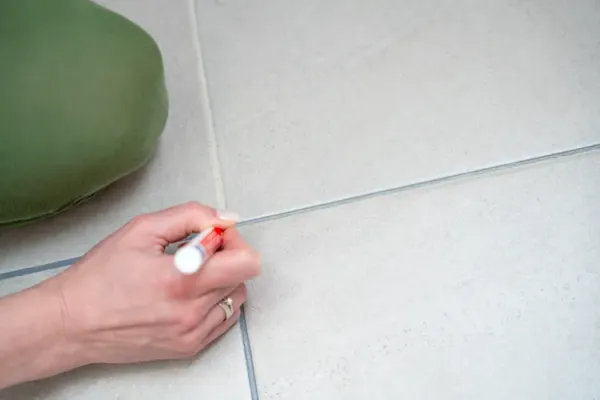
The layout and design of the new tile don't change just because you're tiling over tile. The same rules apply: measure the room, factor in the width of each tile plus the grout line, and purchase about 10% extra to account for cuts and breakage. Grouting and sealing also follow the standard process—apply the grout, let it cure fully, then apply a sealant. However, always check the grout manufacturer's instructions, as some types don't require sealing.
While tiling over tile offers clear benefits, it's not without potential drawbacks. These can include an uneven surface, excessive floor height, added weight on the framework, poor adhesion, moisture issues, or reduced floor stability. Many of these problems, however, stem from improper installation rather than the technique itself. With careful preparation and the right materials, tiling over tile can be a practical and cost-effective renovation solution.












Leave a Comment