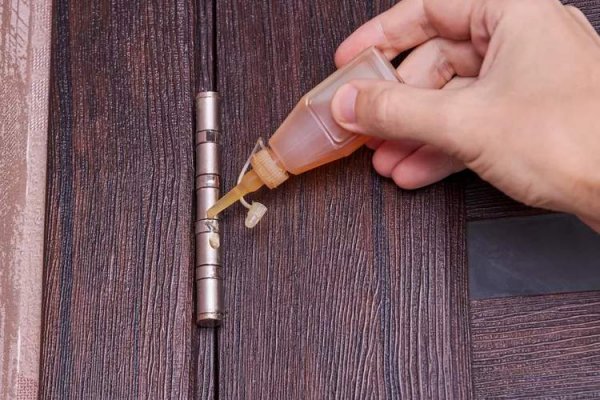
A door that squeaks every time it opens can fray nerves, but the fix often goes beyond a quick squirt of oil. While lubrication may offer temporary relief, frequent re-oiling usually points to a deeper issue, such as worn hinges, misalignment, or even natural house settling. Understanding the root cause is the first step toward a lasting solution.
Hinges dry out over time, but that's just one of several culprits. Worn or damaged hardware, loose screws that strip the wood, warped wood from humidity, or a house's foundation settling can all cause a door to groan. In many cases, the problem is a combination of factors, making it important to inspect the entire hinge assembly before deciding on a fix.
Why a Squeak Persists
If you find yourself oiling the hinges every few weeks, it's likely not a lubrication issue. Dry hinges are the most common cause, but they respond well to a proper cleaning and a long-lasting lubricant. Worn or misaligned hinges, however, may need adjustment or replacement. Loose screws can be tightened, but if the wood is stripped, you might need to insert toothpicks or wood filler to give the screws a new grip. Warped doors and settling foundations are more involved, often requiring planing the door edge or adjusting the strike plate.
For a thorough fix, the hinge pin should be removed, cleaned, and lubricated. To remove the pin, place a screwdriver under its head and tap it upward with a hammer. If it resists, a light penetrating oil can help after a few minutes. Work on one hinge at a time to keep the door in place.
Cleaning and Lubricating Hinge Parts
Once the pin is out, clean it with a degreaser and a scouring pad. For rust, steel wool and white vinegar work well. The hinge barrels—the cylindrical parts on the door and frame—also need cleaning. If they're very dirty or rusty, unscrew them for easier access. For rust inside the barrels, soak the hinge in a 1:1 water-vinegar solution, then use rolled sandpaper to scrub the interior. Rinse and dry thoroughly. Note that vinegar can damage some metals, so test it on a hidden area first.
After everything is dry, apply a thin layer of silicone oil to the pin and inside the barrels. Silicone spray is a top choice because it stays put and is safe for plastic or nylon parts. Lithium grease lasts longer but is messier and not suitable for plastic components. Reinstall the pin; it should slide in easily if the cleaning was effective.
Household Alternatives for Quick Relief
When you need a fast fix and don't have specialized lubricants, common household items can work in a pinch. Hairspray can quiet a hinge temporarily—the polymers reduce movement, but it's not a long-term solution. Petroleum jelly (Vaseline) is another option, but because it doesn't penetrate, you'll need to remove the pin, coat it, and reinsert. Paraffin candle wax can be melted and applied to the pin, and olive oil from your pantry can be applied with a small syringe or oil can, though you may need to slightly pull the pin to let it seep in.
These household fixes are best for temporary relief. For a durable solution, invest in a quality silicone or lithium-based lubricant and follow the full cleaning process. If the squeak persists after these steps, the hinge may be worn beyond repair and need replacement—a straightforward job for most DIYers.
Understanding what's causing the noise is half the battle. With the right tools and a little patience, you can silence that squeak and enjoy a peaceful home.












Leave a Comment