
Home renovations often bring a mix of excitement and anxiety, but even a small oversight can snowball into expensive repairs and prolonged timelines. To help homeowners steer clear of common pitfalls, three interior designers from Texas and Colorado shared the recurring errors they encounter most frequently. Their guidance focuses on practical steps that can save both time and money.
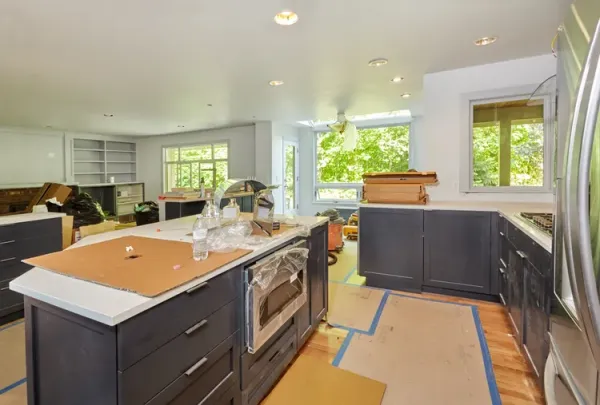
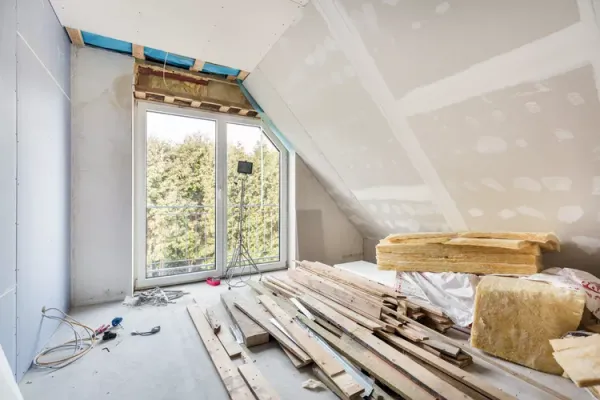
Jennifer Rogers, a kitchen and bath designer at BKC Kitchen and Bath in Denver, notes that many clients prioritize the visual appeal of a renovation—like countertops and tiles—while overlooking the home's structural integrity. She points out that issues such as outdated wiring, poor insulation, or structural damage often go unaddressed until they become major problems. Rogers advises allocating part of the budget to inspect and fix these underlying systems before spending on aesthetic upgrades.
Why a Clear Plan Matters
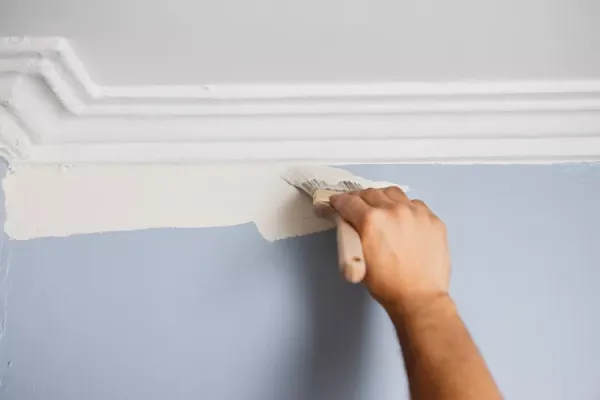
Alicia Hassen, principal designer at Brooklinteriors in Austin, emphasizes the importance of understanding the full scope of a project before starting any work. She has seen homeowners begin painting or flooring installation before necessary build work is complete, leading to redoing tasks and extending the schedule. Hassen recommends mapping out each phase in order, ensuring that structural and mechanical work finishes before finishing touches are applied.
Shelagh Conway, founder and CEO of Triple Heart Design in Austin, highlights a different but equally critical mistake: poor transitions between different flooring materials. She describes seeing transition strips—which are often used to bridge gaps between tile and hardwood—as a sign of a rushed or poorly planned installation. Conway stresses that flooring should be considered early in the design process, with careful coordination between contractors to ensure a smooth, flush join between materials.
All three designers agree that thorough planning and a willingness to address less glamorous aspects of a renovation can prevent many common issues. They encourage homeowners to consult with professionals early and to view the project as a sequence of interdependent steps rather than a series of isolated tasks.
For those about to embark on a remodel, the takeaway is clear: invest time in the groundwork, plan each phase carefully, and pay attention to details like flooring transitions. These steps can help avoid the stress and extra costs that often accompany renovation surprises.














Leave a Comment