Three seasoned contractors have seen it all—from toothpaste-filled wall holes to hot-glued tiles—and they’re setting the record straight on which viral home repair shortcuts are a waste of time. Danny Niemela of ArDan Construction, Geremey Engle of Ellingwood Pro, and Dustin Wince of BOLT Builders weighed in on the most common DIY mistakes they encounter, offering practical alternatives that actually hold up.
Social media is full of quick fixes that promise to save time and money, but many of these hacks use materials that aren’t designed for the job. The result? Repairs that fail, sometimes making the original problem worse. Here’s what the pros say you should skip—and what to do instead.
Foam Beams and Fake Marble: Looks Good, Fails Fast
Faux wood beams made from foam boards may be lightweight and easy to install, but Wince warns they’re a fire hazard and break down over time. He recommends purchasing manufactured faux beams, which are made with fire-rated polyurethane and are sized to fit drywall ceilings.
Similarly, painting countertops to mimic marble is a short-term fix. “Painted countertops are likely to chip or peel, especially in kitchens,” Wince says, noting that paint can’t withstand heat, water, and scratches the way proper countertop materials can. He suggests using a countertop epoxy kit instead—it’s food-safe, water-resistant, and far more durable than paint, though still not as tough as a replacement.
Grout and Caulk: The Right Tool for the Job
Caulk might seem like an easy substitute for grout when tile seams need filling, but Engle explains that caulk flexes and breaks down with regular cleaning and use. The proper fix is to remove the old grout and apply new grout, using pre-mixed grout and a rubber float for a clean finish.
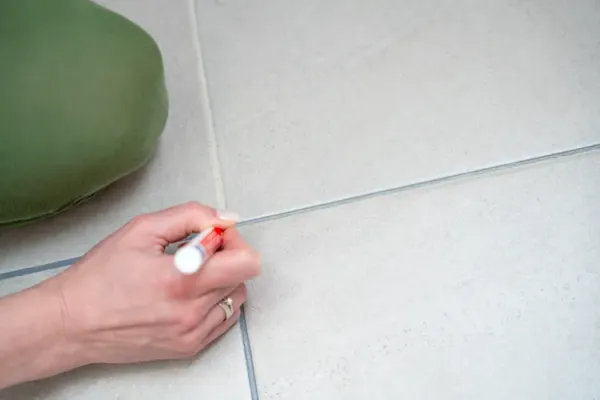
For those hoping to refresh grout color with paint, Niemela says the result fades, smears, or wears off quickly in high-traffic areas. He advises steaming the grout to clean it, or scraping out the old grout and regrouting with a sanded mixture.
Wall Holes and Loose Tiles: Don’t Cut Corners
Filling wall holes with soap or toothpaste is a classic hack, but Niemela says these materials crumble, shrink, or flake when bumped or exposed to humidity. Paint won’t adhere, and touch-ups peel off. He recommends using spackle or a small tub of drywall compound instead.
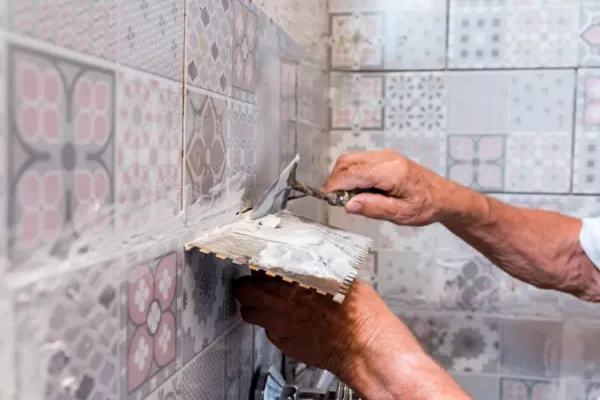
When tiles loosen, hot glue seems like a quick fix, but Niemela warns it fails under moisture and heat, leading to more loose tiles and potential mold. The correct approach is to reapply tiles with thinset mortar, which is available pre-mixed and is the standard material for tile installation.
Painting Wallpaper: A Recipe for a Bigger Mess
Painting over dirty or faded wallpaper might seem like a simple refresh, but Engle says the moisture in paint loosens the glue, bubbles the paper, and creates a much larger problem down the line. He recommends removing the wallpaper with a steamer or commercial remover. For a DIY solution, mix three parts water with one part fabric softener, spray it on, let it soak, and scrape gently with a plastic scraper.
While these hacks may look clever on video, the contractors agree that using the right materials—and taking the time to do the job properly—saves money and prevents bigger repairs later.







Leave a Comment