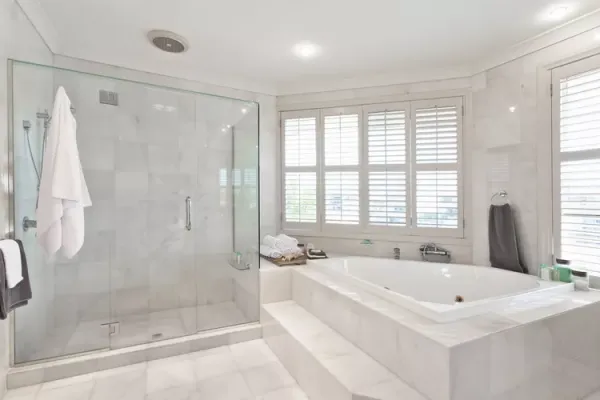
When planning a home for aging in place, most homeowners focus on bathroom renovations—grab bars, walk-in showers, and non-slip flooring. But occupational therapists and interior designers who specialize in senior safety say the most impactful—and frequently ignored—upgrade is lighting. Proper illumination can prevent the falls that often mark the beginning of serious health declines in older adults, according to experts.
Dr. Brandy Archie, an occupational therapist and co-founder of AskSAMIE, an organization that advises clients on aging-in-place modifications, explains that falls are rarely daytime events. "Most serious declines in older adults begin with a fall, and falls rarely happen when we're alert in the middle of the day in a well-lit place," she says. "They happen at night, when we're tired, and something unexpected is in the pathway that we don't notice."
Archie advocates for motion-activated lighting as a simple yet effective safeguard. "Motion sensors quietly remove that risk by lighting your way the moment your foot hits the floor, so you never have to fumble for a switch or trust your night vision," she says. "It's the cheapest insurance policy I know of against the kind of injury that ends a person's independence."
Lumens Matter More Than Kelvins
Deanna Girardot, founder of Tranquil Interiors, a full-service interior design studio, notes that lighting is often misunderstood in aging-in-place projects. "Lighting is one of the most misunderstood upgrades when aging in place," she says. "Although lighting might not always be overlooked, it is often not addressed properly."
A common error, Girardot observes, is choosing bulbs with higher Kelvin temperatures, assuming cooler light means brighter light. However, it's the lumen rating that determines brightness, and excessive blue light can disrupt sleep. She recommends selecting bulbs with higher lumen output while keeping a warm color temperature of 2700–3000K to balance visibility with circadian health.
Practical Lighting Strategies
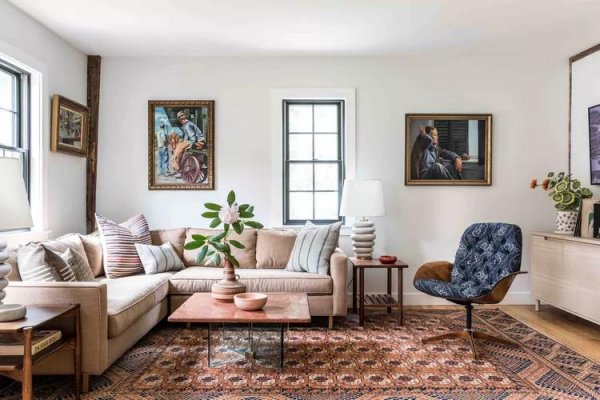
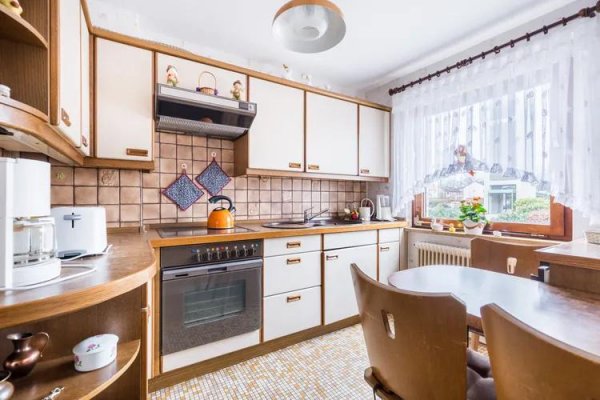
For those concerned about harsh overhead lighting, Girardot suggests installing dimmer switches or adding multiple light sources. "Lighting has been used to set the mood and highlight features in architecture for decades," she says. "A beautiful reading lamp, a decorative bedside sconce, uplights nestled into planters or accent lights over art are a great way to improve the illumination within a space while also adding to the aesthetic appeal."
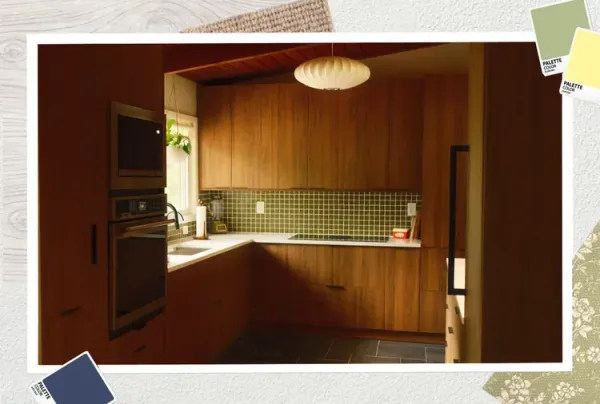
Archie recommends integrating warm white LED strips under bed frames, kitchen toe kicks, or stair treads. "They read as ambient mood lighting during the day and a guidance system at night, with zero medical vibes," she explains. "It also looks really beautiful to have that soft light."
Natural light also plays a role. Replacing worn blinds with easy-to-open window coverings can maximize daylight while preserving privacy after dark. "Maximizing your exposure to sunlight often provides a view to nature, providing additional benefits to aging in place and longevity, but also creates opportunities for the brain to be fascinated by dappled effects and playful shadows," Girardot says.
Experts agree that lighting is a low-cost, high-impact modification that supports safety and independence. By prioritizing illumination alongside bathroom upgrades, homeowners can create a home that is both functional and welcoming for the long term.


Leave a Comment