
Natural light remains a sought-after feature in homes, prized for its ability to make spaces feel more open and inviting. While artificial lighting can mimic daylight, it often falls short of the full-spectrum glow that sunlight provides. For homeowners looking to reduce their reliance on electric lights and enhance their living environment, a range of practical solutions exists—from simple paint updates to more involved installations.
Many houses, particularly older ones, were designed with limited window placement, leaving interiors feeling dark even on sunny days. Rather than undertaking a costly relocation or major structural overhaul, homeowners can consider a series of targeted improvements. These nine strategies, drawn from home improvement expertise, offer a spectrum of options suitable for various budgets and skill levels.
Start With Paint: Eaves and Interiors
One of the least obvious yet effective starting points is the home's exterior eaves. The underside of the roof overhang, often left unpainted or darkened by grime, can be painted white to reflect sunlight into the house. This simple step, which does not alter the home's curb appeal since the eaves are primarily visible from inside, can brighten multiple rooms. If painting is not an option, a thorough cleaning of the eaves to remove dirt and spiderwebs can also yield noticeable results.
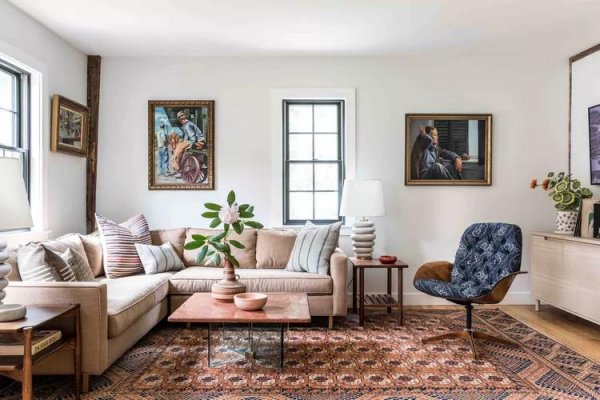
Inside, wall color plays a pivotal role. The Light Reflectance Value (LRV) of paint determines how much light bounces back into the room. Pure white approaches 100 percent reflectance, while black is near zero. Homeowners who prefer not to use stark white can explore off-white shades with subtle undertones, which still offer high reflectivity. Additionally, choosing a paint with a higher gloss level—such as moving from matte to eggshell or from eggshell to semi-gloss—can enhance the mirror-like effect on walls, although it may increase glare from artificial sources.
Reflective Surfaces and Strategic Openings
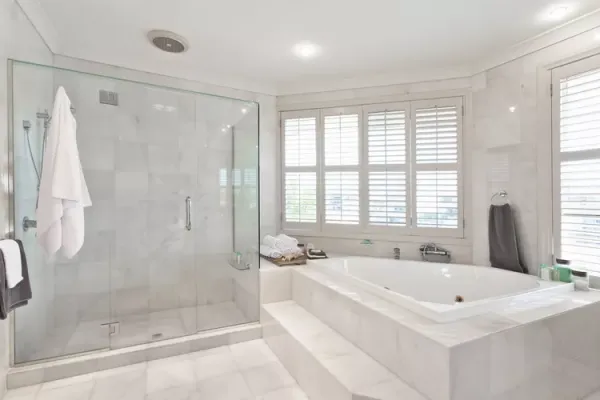
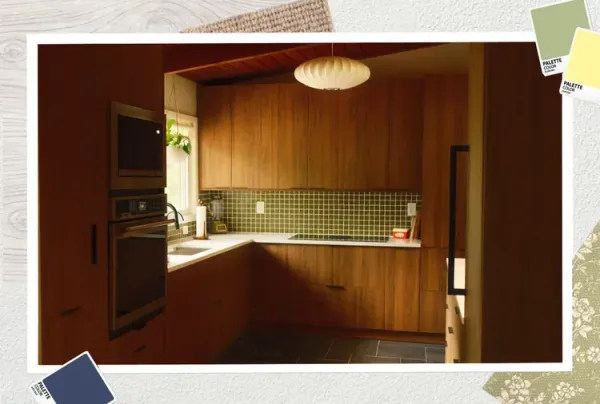
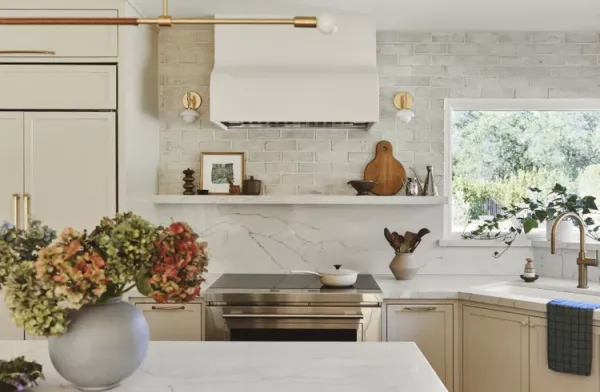
In kitchens and bathrooms, glass tiles on backsplashes can reflect nearly all the light that strikes them, rivaling the effect of actual mirrors. Glossy ceramic tiles are a close second, outperforming trendy materials like concrete or pallet wood in terms of light reflection. For maximum brightness, metallic tiles can be used, though they may introduce a more pronounced aesthetic.
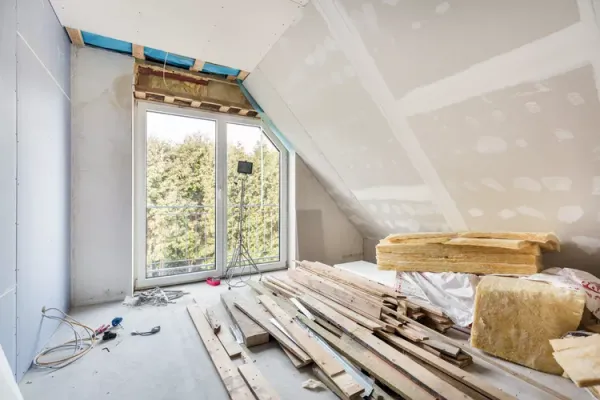
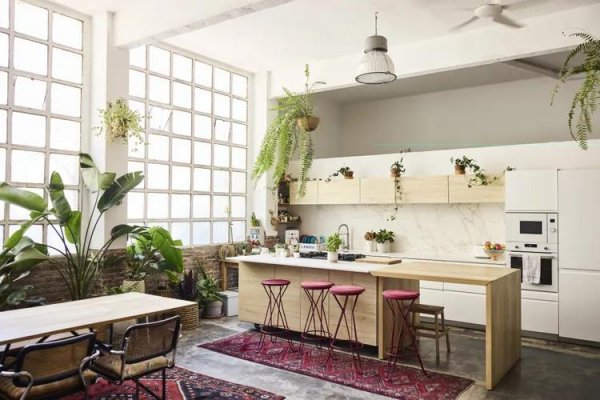
For those willing to undertake more significant renovations, replacing sections of an exterior wall with glass blocks can introduce daylight into previously dark areas. This approach requires proper structural support, such as headers, similar to window installations. Skylights offer another option, often described as windows for the roof. They provide glazing area comparable to a medium-sized window but face upward, capturing sunlight more consistently and less prone to shadowing from outdoor objects.
When a full skylight is not feasible, sun tubes—tubular daylighting devices—present a cost-effective alternative. Unlike skylights, they do not require a light shaft built from framing materials, which can be expensive and difficult to route around attic obstructions. Sun tubes come with their own flexible shafts that can navigate around HVAC vents and other obstacles. While each tube brings in less light than a skylight, installing multiple units can collectively match the output of a single traditional skylight.
Finishing Touches and Ceiling Considerations
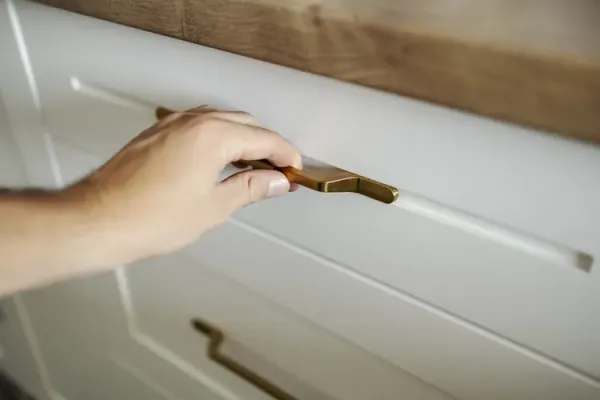
Beyond structural changes, adding reflective elements like mirrors, sconces, or shiny cabinet hardware can incrementally boost light levels. A chandelier, for instance, can scatter sunlight across a room even when not turned on. For ceilings, white paint remains the standard choice due to its high reflectivity. Flat white is often preferred over glossier finishes because it reduces glare, and ceilings do not require the washability of wall paint since they are rarely touched.
These nine methods offer a range of interventions, from quick weekend projects to more involved renovations. Each approach can help homeowners maximize the natural light available, contributing to a brighter, more energy-efficient home.








Leave a Comment