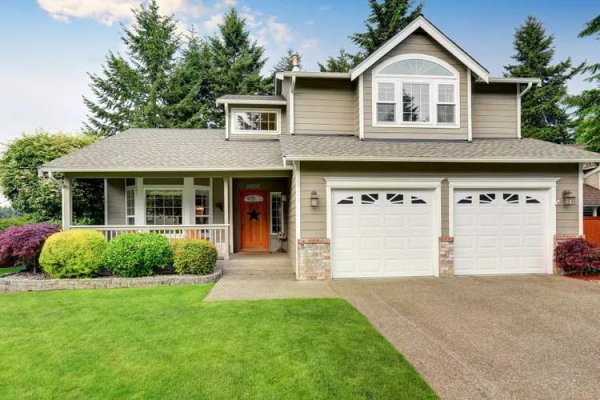
Converting a garage into livable space is the home renovation project homeowners most frequently regret, according to contractors surveyed. The loss of storage, reduced functionality, and diminished resale appeal are the primary reasons, with experts warning that the initial appeal of extra square footage often fades once the practical drawbacks set in.
Jacob Naig, a licensed contractor, real estate agent, and owner of We Buy Houses In Des Moines, has seen the fallout firsthand. "Turning garages into living space reduces storage space, functionality, and resale appeal, especially in places where people prize covered parking," he said. The sentiment is echoed across the industry, where garage conversions are frequently cited as a project that homeowners wish they had never started.
Why Garage Conversions Backfire
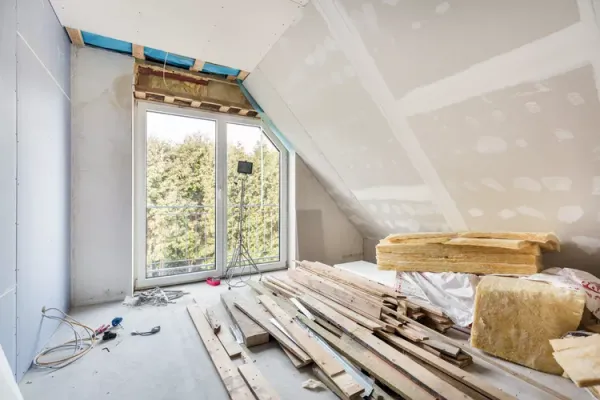
The process itself is extensive and costly. It involves insulation, new walls, flooring, lighting, and often the removal of the garage door, installation of heating and cooling systems, and even plumbing. Each step adds time and expense, and regulatory hurdles can complicate the project further. Yet, even when completed, the result often fails to deliver the expected value.
Naig points out that the regret often crystallizes in mundane moments. "People tend to regret not having a garage when they’re scraping ice off of their car in January," he said. Beyond vehicle storage, garages serve as workshops and storage for tools and equipment, and losing that space can be a significant inconvenience.
The financial aspect is another major factor. "Regret is almost always a result of expectations gone awry," Naig explained. "A renovation can suck up cash, time and enthusiasm, and if it doesn’t give a homeowner daily utility or resale value, the glint fades fast." The cost of insulation, flooring, windows, and structural changes can quickly escalate, and if the new space goes unused, the investment feels wasted.
Resale value is also at risk. Many buyers specifically look for homes with garages, and removing that feature can make a property less attractive. "Renovation is about finding a balance between personal enjoyment and market sensibility, and it’s easy to tip too far toward one or the other," Naig said. Poorly executed conversions, which may look like an afterthought, can further reduce the home's appeal.
Comfort issues also plague converted garages. Thin walls, proximity to the street, and inadequate climate control can lead to noise, temperature fluctuations, and humidity problems, making the space unsuitable for a home office or spare bedroom. In some cases, the finished materials and furnishings are damaged by the environment, and the room ends up unused.
How to Avoid Renovation Regrets
To steer clear of such pitfalls, Naig advises homeowners to focus on projects that offer a clear return on investment. "Renovations can be a terrible idea if they don’t mesh well with resale value, if they surpass what’s standard in your neighborhood, or if they cause you to take on ongoing maintenance that you didn’t expect," he said.
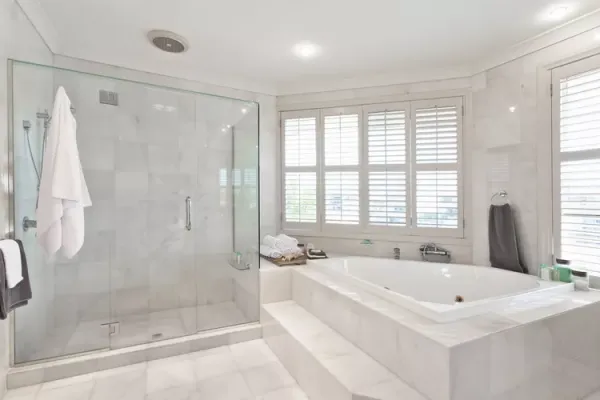
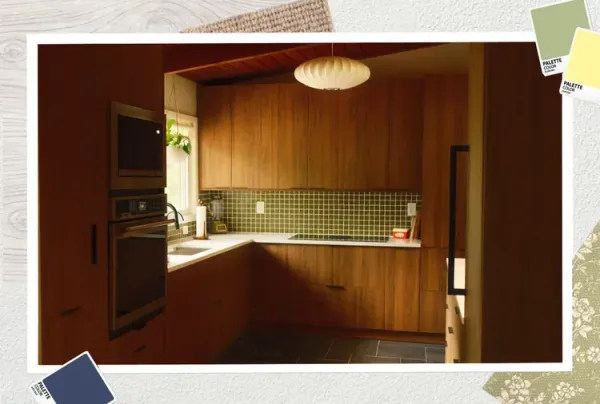
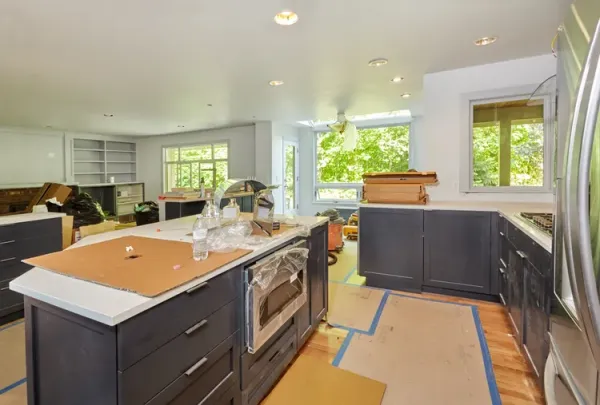
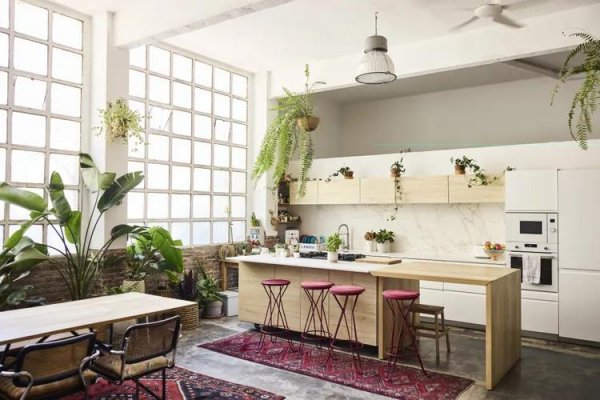
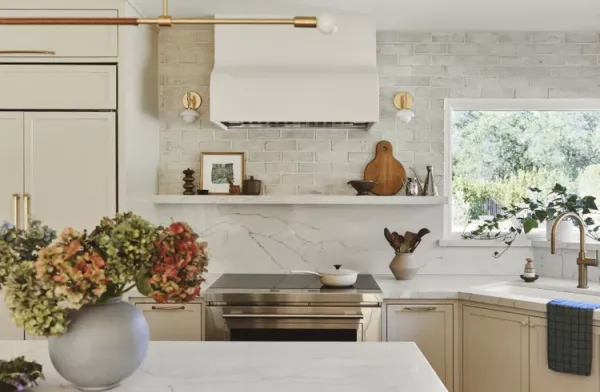
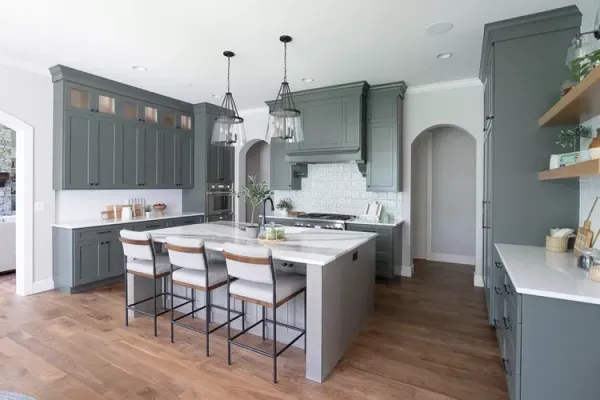
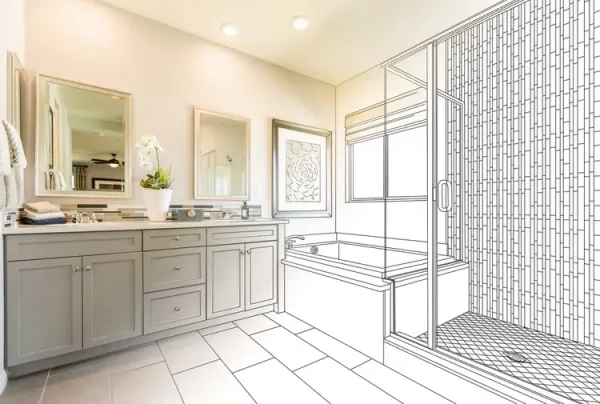
Practical steps include choosing common designs over niche concepts, planning and budgeting thoroughly, and prioritizing functionality over aesthetics. For complex projects, hiring professionals is crucial, as a poor DIY renovation can lower property value. Minor kitchen and bathroom remodels are cited as safer bets, as they tend to have broad appeal and a positive impact on home value.
Ultimately, the key is to think long-term and consider how a renovation will serve both your daily life and your future ability to sell the home.








Leave a Comment