Renovation professionals who specialize in making homes safer for older adults are urging homeowners to think twice before undertaking certain aging-in-place projects. While adapting a residence for mobility and comfort is often beneficial, some common renovations are not only costly but can also introduce new hazards or fail to deliver practical value.
Certified aging-in-place specialist Ryan Holt, a senior leader at Accessibility Professionals and a CAPS designee with the National Association of Home Builders, along with interior designer Rachel Blindauer, shared insights on the six least advisable renovations. Their guidance highlights the importance of targeted, thoughtful changes rather than sweeping overhauls.
Full Room Gut-Outs Are Often Overkill
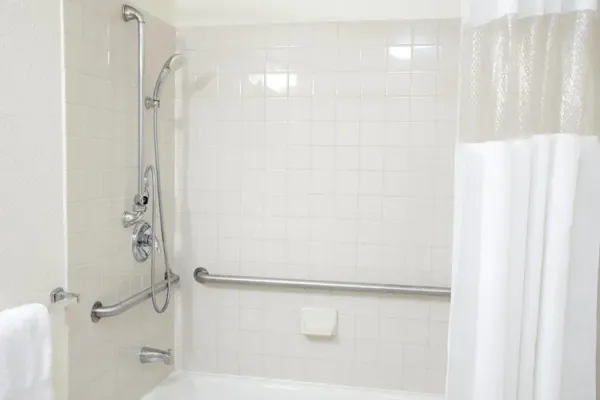
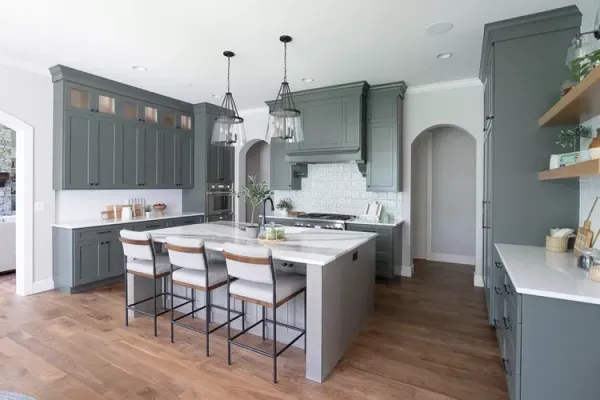
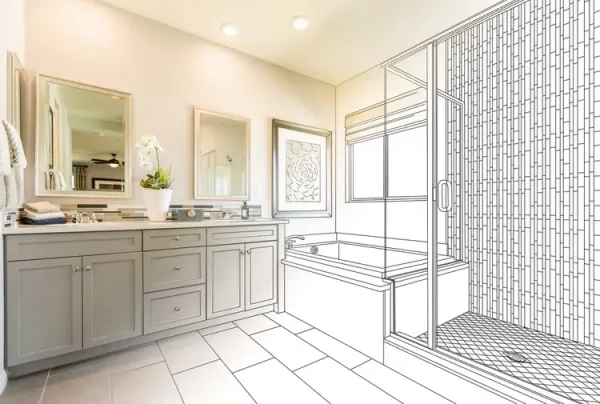
One of the most frequent missteps, according to the experts, is assuming that a bathroom or kitchen must be completely gutted to become accessible. In reality, most bathrooms can be adapted with simple additions like grab bars and higher toilets, and kitchen counters and storage can be adjusted without a full remodel. Even a curbless shower—often seen as a major project—can be installed without tearing out the entire room.
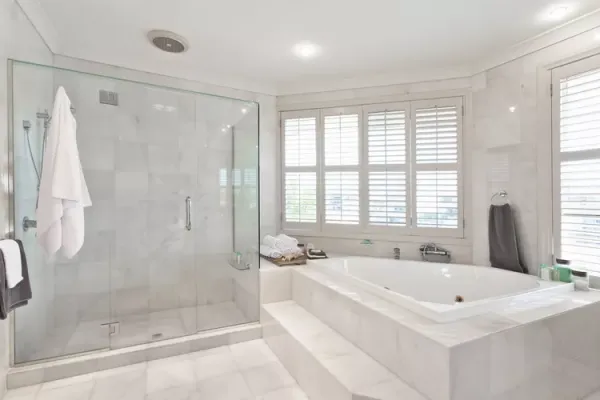
Blindauer emphasized that style and comfort should not be sacrificed in the name of function. “The goal isn’t to install a hospital bathroom in your home—it’s to create a space that supports your future self without compromising your present joy,” she said. She recommends “invisible ease,” such as natural stone tile in a curbless shower, widened doorways with classic trim, and under-counter appliances that look like luxury upgrades but serve universal needs.
Elevators and Walk-In Tubs: Proceed With Caution
Elevators are another renovation that often tops the wish list for multi-level homes, but they are rarely necessary. Unless a resident is wheelchair-bound and cannot transfer without assistance, a stair lift is a far more affordable and less invasive alternative.
Walk-in tubs, while popular, come with a hidden pitfall. Holt pointed out that many homeowners install these larger-capacity tubs without upgrading their water heater. Because a walk-in tub holds significantly more water than a standard tub, a typical water heater can run cold before the tub is filled. A tankless water heater, which provides a steady flow of hot water and is more efficient and longer-lasting, may be a necessary companion investment.
Flooring Transitions and Knowing When to Walk Away
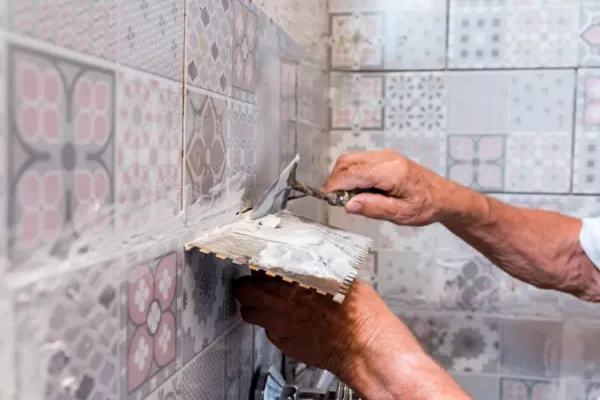
Flooring replacement is a common aging-in-place project, but Holt warns that many people overlook the importance of smooth transitions between surfaces. Even small height differences—from hardwood to carpet, tile to vinyl, or at thresholds—can become tripping hazards. “Ensuring smooth, level surfaces throughout one’s home reduces these risks and makes daily life safer and easier,” he explained.
Finally, the experts caution that sometimes the best decision is not to renovate at all. If a home requires drastic and expensive modifications, moving to a more suitable residence—such as a single-story home with a bedroom and full bathroom on the main floor—may be more practical and cost-effective. Holt noted that “the most practical and cost-effective solution to age-in-place isn’t renovating but downsizing or relocating.”
For homeowners planning to stay put, the takeaway is clear: prioritize simple, stylish, and safety-focused changes, and avoid overbuilding. Consulting with a certified aging-in-place specialist can help tailor decisions to individual needs and budget.






Leave a Comment