Homeowners often tackle do-it-yourself projects with the goal of boosting their property's appeal and future sale price. However, some well-intentioned renovations can have the opposite effect, according to a New York City-based real estate advisor.
Luke Whittle, a Senior Real Estate Advisor at Elegran | Forbes Global, cautions that certain popular DIY upgrades may actually reduce buyer interest and lower a home's market value. In a recent interview, he outlined eight common projects that can backfire, emphasizing that poor execution or overly personalized designs often lead to diminished returns.
One of the most frequent missteps, Whittle says, is converting a garage into living space, such as a bedroom, bar, or recreation room. While this may seem like a way to add square footage, most buyers prefer a functional garage for parking and storage. "If you're thinking about major renovations, take the time to consult with a real estate professional or contractor," Whittle advises. "They can offer advice on which projects are most likely to yield a return on your investment, ensuring that your DIY efforts don't backfire."
Similarly, removing closets to enlarge bedrooms or common areas can reduce storage options that new owners expect. Whittle notes that even if current homeowners don't use the closet space, potential buyers often look for ample places to store linens, outerwear, and tools.
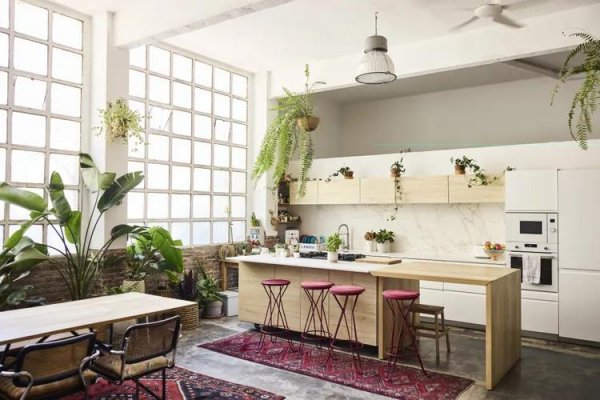
Combining rooms to create an open-concept layout is another trend that can lower a property's appraised value, as the number of rooms is a key factor in home valuation. Whittle suggests renovating existing rooms and staging them attractively—such as setting up a neat home office or a children's playroom—rather than knocking down walls.
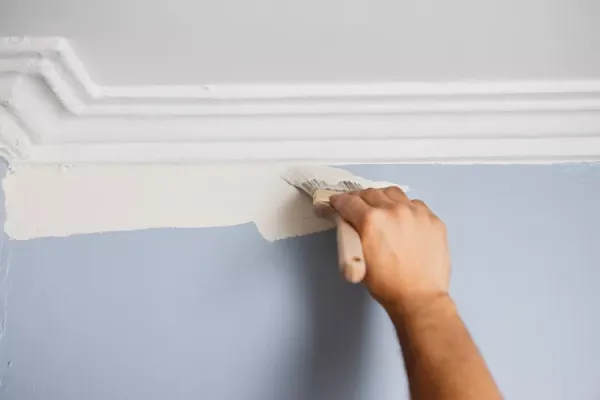
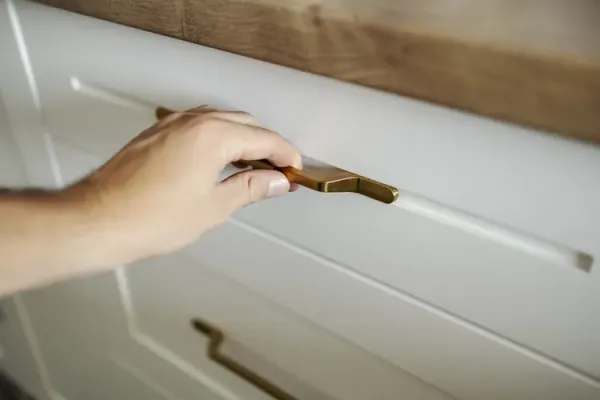
Installing an in-ground pool is a major addition that requires ongoing maintenance and costs, which can deter the average buyer, especially in colder climates where the pool is unusable for part of the year. Whittle recommends simpler cosmetic upgrades instead: "Simple cosmetic upgrades like fresh paint in neutral colors, new hardware for cabinets, or updated light fixtures can give a space a modern feel without a huge investment."
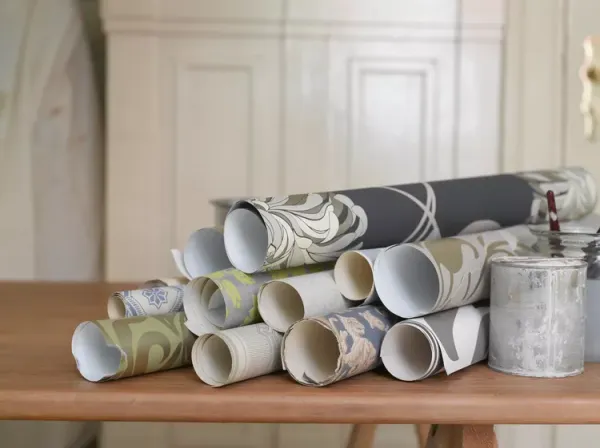
Extensive carpeting and wallpaper, once common, have fallen out of favor compared to hardwood floors and painted walls. While some carpeting or wallpaper may be acceptable, covering the entire home in these materials can make it look dated.
Complex landscaping, with intricate gardens and high-maintenance lawns, can also reduce appeal. Whittle suggests planting a tree or adding easy-care flowers to improve curb appeal without creating a burden for future owners.
Dedicated hobby spaces—such as home theaters, gyms, sewing rooms, recording studios, or wine storage—may attract a niche audience but often appear as wasted space to the broader market. "Certain designs that are too personalized or overly trendy might not appeal to a broad range of potential buyers, making the property harder to sell," Whittle says.
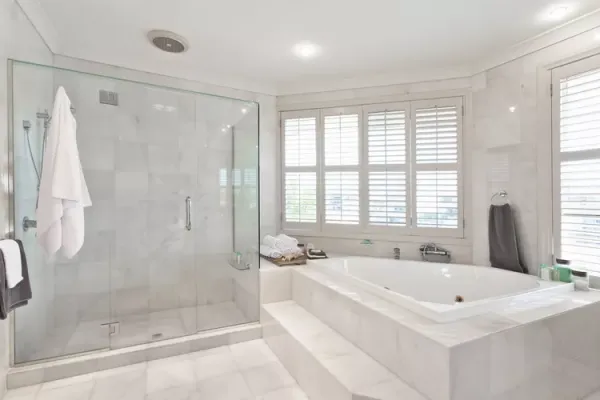
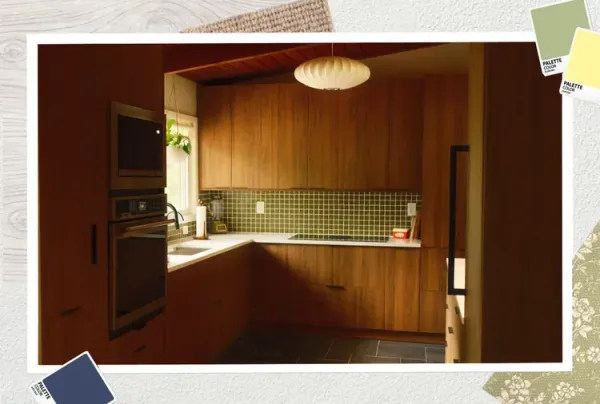
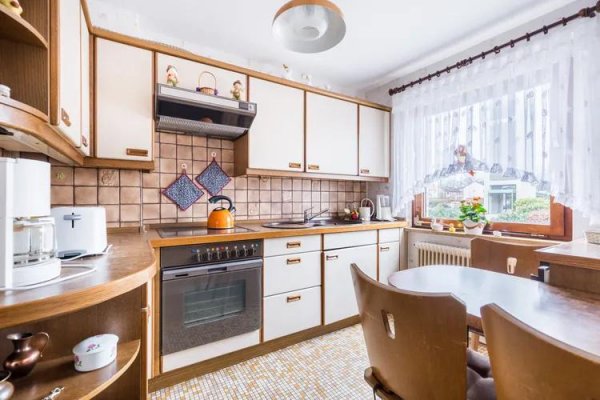
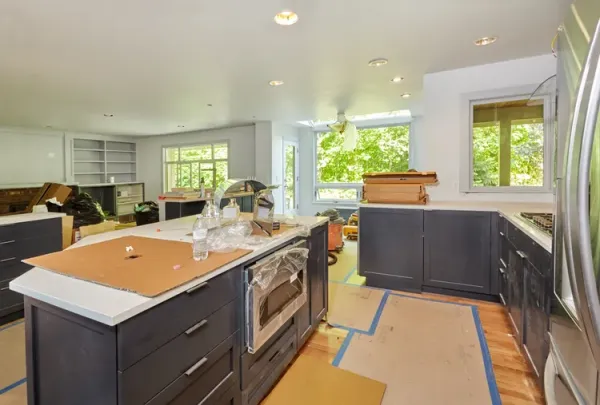
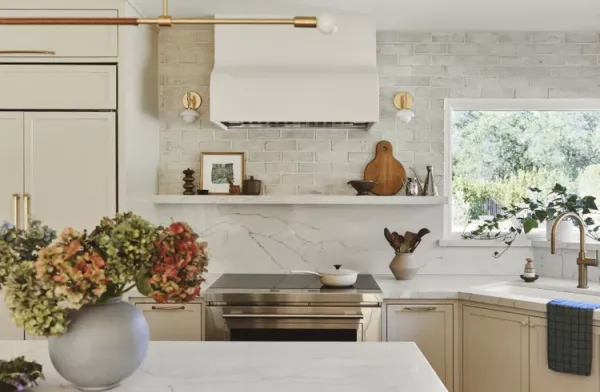
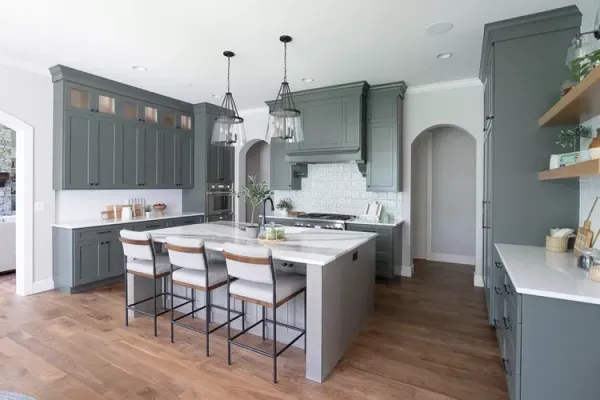
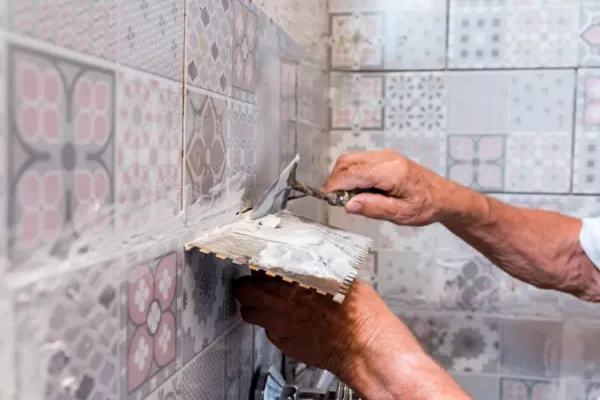
Finally, any poorly executed DIY project can hurt value. Whittle lists common offenders: "botched bathroom or kitchen remodels, faulty electrical or plumbing work, un-permitted additions, and over-personalized or trendy design choices."
For homeowners considering renovations, Whittle's advice is to think beyond personal taste and consider what the next buyer will value. Consulting professionals before undertaking major work can help ensure that improvements add to the home's worth rather than diminish it.



Leave a Comment