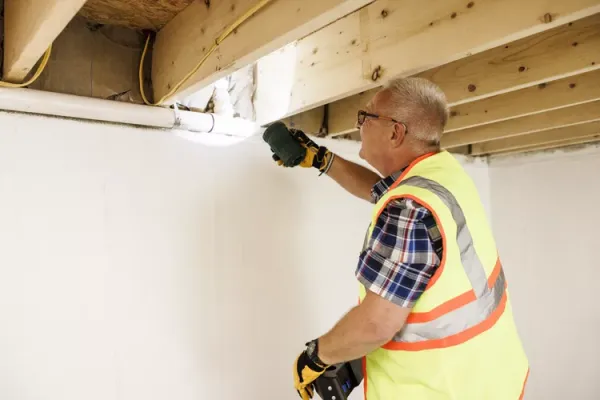
When buying a home, one of the most critical steps is the home inspection, a thorough evaluation of the property's condition. Most inspections for an average-sized home take about two to three hours, but this can vary based on several factors, including the size and condition of the property, as well as the number of inspectors on site.
According to Alex Capozzolo, a licensed realtor and co-founder of Brotherly Love Real Estate in Philadelphia, Pennsylvania, the inspection duration can increase if the home is larger or if the inspector needs to move objects to access certain areas. For homes exceeding 2,000 square feet, each additional 500 square feet can add roughly 30 minutes to the inspection time. Some companies send two inspectors, which can reduce the time to about 90 minutes for a typical house.
What Inspectors Examine
Home inspectors focus on the major components of a property, both inside and out. Exterior checks include the foundation, roof, windows, doors, gutters, garage, patios, decks, sidewalk, driveway, and irrigation system. Inside, they examine the furnace, water heater, air conditioner, plumbing lines, electrical systems, ceilings, floors, interior walls, basement, and appliances. Cosmetic issues like chipped paint are generally not part of the inspection.
The findings can significantly impact the sale. If problems are discovered, the buyer may renegotiate the price, request repairs, or, in some cases, withdraw the offer, especially if there is a contingency in the purchase agreement covering repair costs.
Cost and Selection of Inspectors
The cost of a home inspection typically ranges from $200 to $500, depending on the property's size, location, and the depth of the report. Buyers are usually responsible for this expense, though a realtor may help arrange the appointment. Capozzolo advises asking about an inspector's qualifications, experience, and certifications before hiring. It's also wise to check references and ensure the inspector is familiar with local building codes.
To get a fair price, buyers should research at least three reputable inspection companies in the area and obtain estimates.
Preparing for the Inspection
Both buyers and sellers have roles in preparing for an inspection. Buyers should review the seller's disclosure form, note any specific concerns, and plan to accompany the inspector for the two to three hours. Sellers should complete the disclosure form, conduct a pre-inspection to catch any obvious issues, and ensure all areas of the property are accessible.
Most inspections occur after an offer is accepted but before the final sale. However, homeowners can also hire an inspector at any time to learn more about their property.
After the Inspection
The inspector compiles a report, typically delivered to the buyer within three to four days. The buyer and realtor review it to decide on next steps, which may include negotiating repairs or a lower price. Red flags such as roof problems, foundation cracks, faulty wiring, or plumbing issues can be costly and may warrant renegotiation or even walking away from the deal.
Understanding the timeline and process helps buyers approach this step with confidence, ensuring they make an informed decision on one of the largest investments of their lives.













Leave a Comment