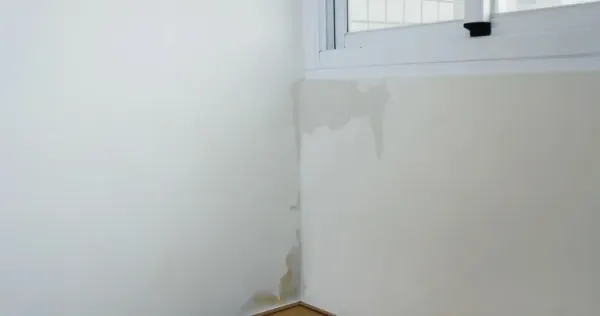
Painting over a water stain on a wall or ceiling is often the final step in a repair, but unless the underlying cause is addressed, the discoloration is likely to return. Professional painters say that the key to a lasting fix is not the paint itself but the preparation: identifying the source of the moisture, allowing the area to dry completely, and applying a stain-blocking primer before the final coat.
The advice comes from two painting contractors with CertaPro Painters: Vince Scaduto, who owns the Massapequa franchise, and Gary Barton, who runs the Far North Texas operation. Both emphasize that skipping the prep work is the most common reason water stains reappear after a fresh coat of paint.
Start With the Source, Not the Paint
Before any painting begins, homeowners need to find out where the water is coming from. Stains can be caused by interior leaks, such as a dripping pipe, or exterior issues, like a hole in the wall that lets rain seep in. Barton notes that fixing the source is "essential" and that it is "surprisingly often overlooked."
Once the leak is repaired, the stained area must be thoroughly dried. Ventilation helps speed up the process. If there is any sign of mold or mildew, a treatment spray should be applied, and in more serious cases, a mold remediation specialist may be needed. Ignoring mold can lead to new stains appearing weeks or months later as the mold spreads within the wall.
Prep Work: Scrape, Patch, and Prime
After the area is dry and mold-free, the next step is to inspect the drywall. Loose or cracking paint should be scraped off, and any damaged spots should be patched with spackle. Only then is the surface ready for primer.
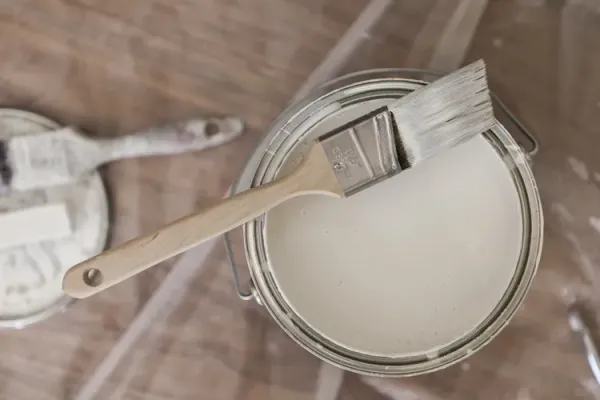
Barton advises using a primer that "effectively blocks potential bleed-through," and he stresses that the primer should extend beyond the edges of the stain. Scaduto recommends an oil-based or shellac-based primer, specifically mentioning a white-pigmented shellac primer from Sherwin-Williams as his go-to choice. Shellac-based primers are known for their ability to seal in stubborn stains.
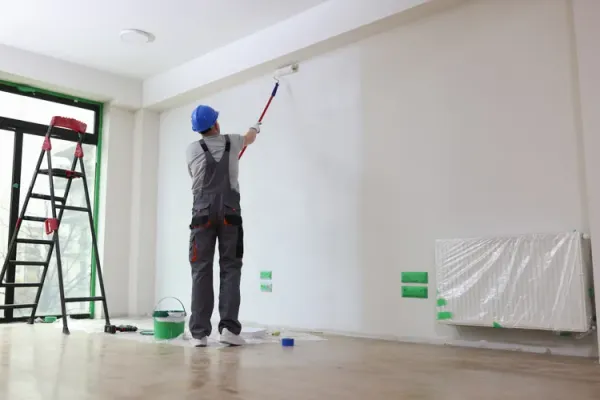
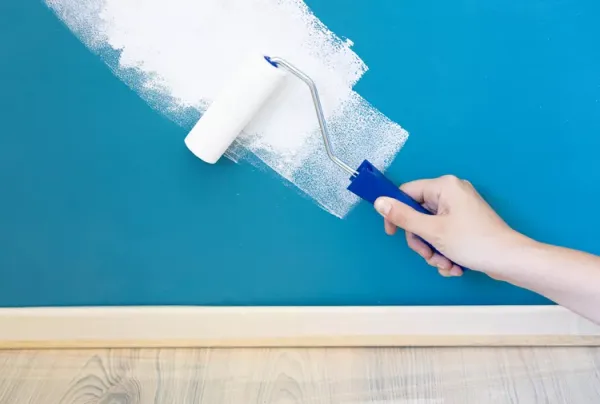
Once the primer is dry, the wall can be painted with the chosen color. Scaduto notes that in some cases, more than one coat of paint may be needed to fully cover the stain. He also points out that if the surrounding paint is older and faded, it may be better to repaint the entire wall to avoid a noticeable patch. If the existing paint is relatively new, painting just the stained spot is usually fine after the paint dries.
Why Stains Come Back
According to Barton, the three main reasons water stains reappear are: failing to fix the original leak, not allowing the area to dry completely, and leaving mold untreated. If moisture remains in the wall, it will seep through the new paint. Similarly, untreated mold can spread and cause new staining, sometimes weeks later.
Scaduto offers additional tips for preventing stains in the first place. He suggests regularly checking for leaks from pipes, radiators, bathrooms, and appliances. Catching a leak early may allow a simple cleaning of the stain rather than a full repaint. Homeowners should also consider what the wall is exposed to—walls that face heavy rain, chimney stacks, and windows are common entry points for water. Exterior problems like cracked render or leaking gutters can also lead to interior stains.
For cleaning, Scaduto recommends using vinegar and water for mild stains, a bleach solution (one part bleach to three parts water) for mold stains, and hydrogen peroxide for deeper discoloration. If cleaning doesn't remove the stain, sanding the area before priming can help. He also reminds DIYers to let the primer dry according to the manufacturer's instructions, as rushing this step can cause problems later.
By addressing the source of the water, allowing proper drying time, and using the right primer, homeowners can successfully paint over water stains and keep them from returning.




Leave a Comment