
Renovating a home often seems like a distant dream, reserved for television makeovers or luxury estates. But the reality is that most renovations are undertaken by everyday people—friends, family, and neighbors—who simply decided to start. With careful planning around budget, style, and skill level, a home transformation is within reach for nearly anyone.
To demystify the process, we gathered insights from renovation professionals and designers, as well as homeowners who have navigated the ups and downs of DIY projects. Their experiences offer a realistic look at what it takes to refresh a living space, from small weekend tasks to larger room-by-room overhauls.
High-Impact, Low-Effort Upgrades
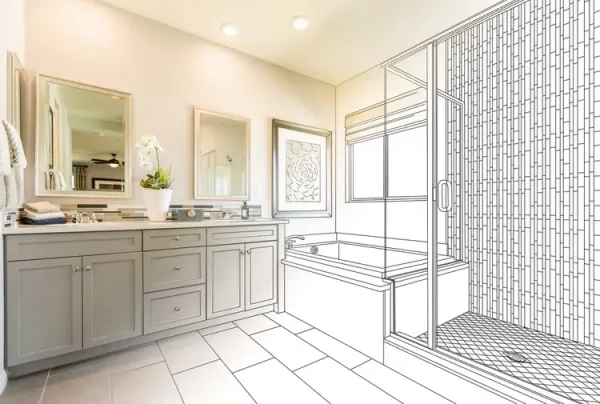
Not every renovation requires weeks of work or a hefty budget. Small, strategic changes can make a significant difference. For instance, designer Heidi Houdek suggests swapping a standard builder-grade bathroom mirror for a framed version, a simple swap that instantly adds a custom, upscale feel.
Prioritizing key areas like kitchens and bathrooms is a common strategy, but personal comfort matters too. If a boring bedroom makes you dread entering it, starting there with a molding kit can be just as valid. The key is to tackle one room at a time, understanding that a full-house transformation takes time.

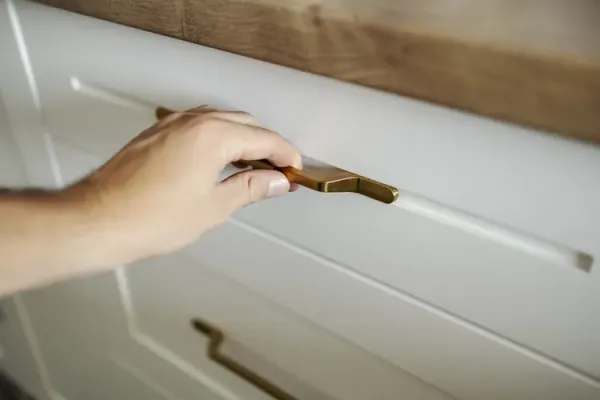
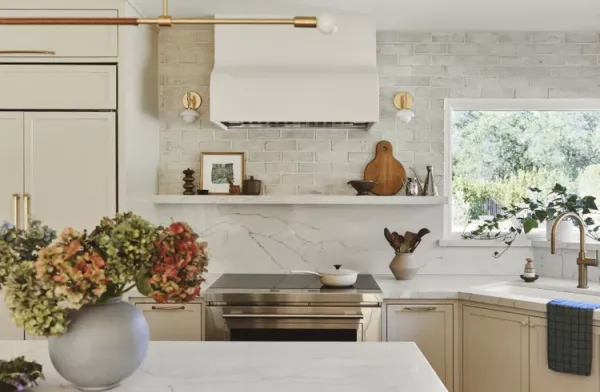
Several related guides offer further inspiration: one details seven ways to modernize old kitchen cabinets without replacing them, another lists six small-scale DIYs that can be completed in a weekend, and a third highlights eight bathroom upgrades that designers say add value to a home.
Lessons from the Field
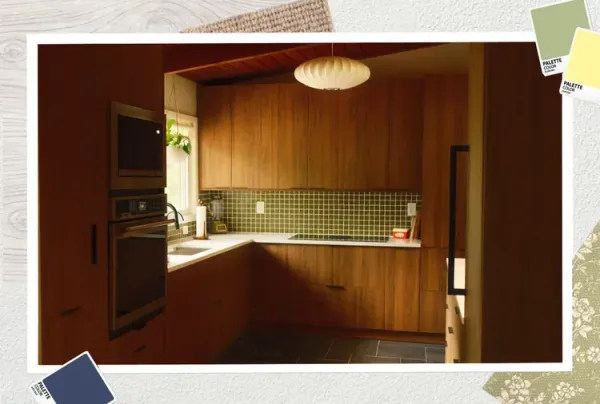
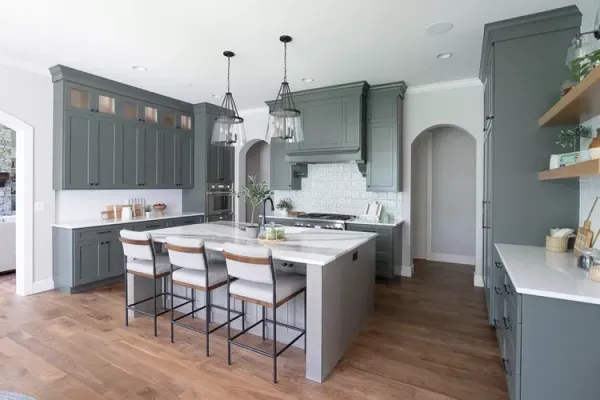
Beyond professional advice, the most relatable wisdom often comes from those who have learned by doing. One homeowner, who used free design software to plan her kitchen renovation, encourages others not to be intimidated. “A lot of kitchen design, at its core, is just math,” she told The Spruce.
Mistakes are inevitable, but they are also fixable. By learning from others' errors, newcomers can avoid common pitfalls. Stories from homeowners who have painted every room in their house, or renovated on a tight budget, offer practical insights into where to save and where to splurge.


For those considering a kitchen remodel, free design software can be a valuable tool, as one homeowner proved. Her advice: don't be afraid to try, even if you've never picked up a drill or attended design school.
Before You Start
Gathering ideas and information is crucial. Look to websites, social media, and friends for inspiration. Don't hesitate to ask neighbors who are renovating about their experiences—most are happy to share.
One homeowner emphasizes the importance of starting before you feel ready. “The biggest thing I always tell people is to start before you feel ready because you're never going to feel fully ready your first time,” she said. This sentiment is echoed by first-time homebuyers who overcame their fear of DIY.


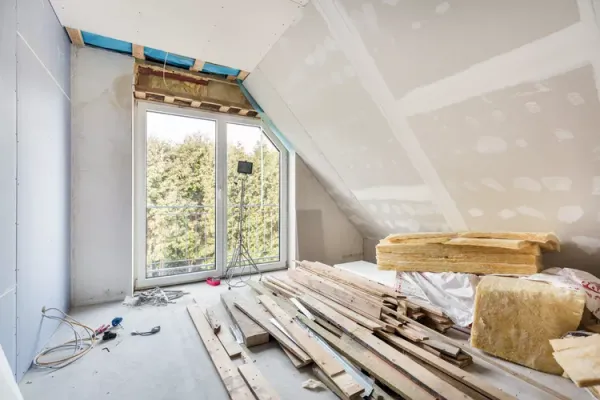
While most projects are manageable, there are exceptions. Contractors warn that some tasks, such as certain electrical or structural work, should be left to professionals. Knowing your limits is part of being a smart DIYer.


Ultimately, the journey of home renovation is about progress, not perfection. With the right mindset and a willingness to learn, anyone can make their home feel more like their own.











Leave a Comment