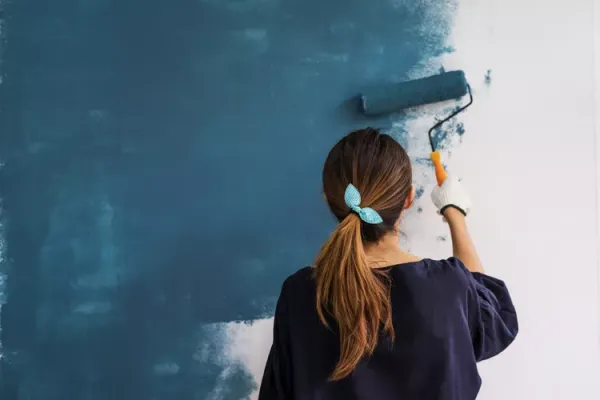
Do-it-yourself painting can refresh a room and save on professional costs, but common errors often leave walls streaked, drippy, or uneven. Fortunately, three painting professionals say most of these issues are easy to correct with a few adjustments to technique and preparation.
Elizabeth Vergara, CEO of Vergara Homes; Matt Boden, owner of Fresh Coat Painters of Tampa; and Daniele Doerge, a manager at California Paints, shared their insights on the most frequent DIY pitfalls and how to fix them.

Why Paint Jobs Go Wrong
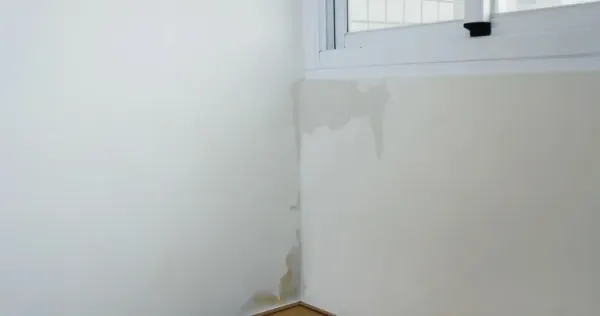
According to the experts, the most common mistake is skipping prep work. Vergara notes that homeowners often neglect cleaning, sanding, or priming the walls before painting. This can lead to uneven coverage and streaks that hide the true color of the paint. Boden adds that applying paint directly to unprimed walls or using too little paint can also cause these problems. His advice: start with a quality primer, apply it in even, overlapping strokes, and wait for it to dry before adding the second coat.
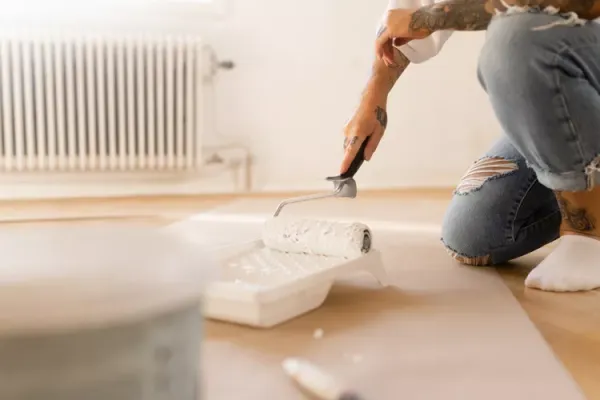
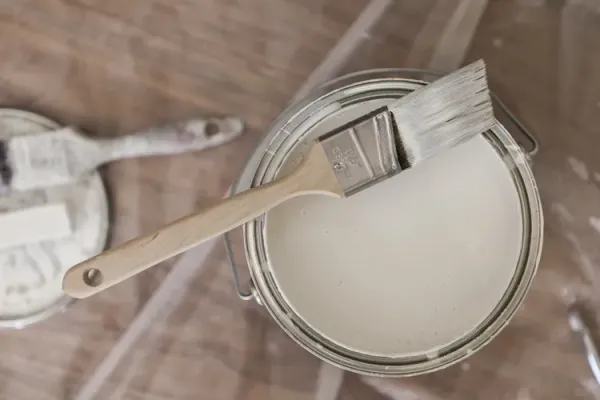
Another frequent error is overloading the brush or roller. Boden explains that too much paint causes drips, globs, and runs. To avoid this, he suggests dipping the roller in paint and then rolling it out thoroughly on the upper part of the tray. For brushes, dip only the bristle tips and wipe the brush against the can's rim. If drips have already dried, Boden recommends lightly sanding them, wiping clean, and repainting with thinner, controlled coats.
Choosing the Right Tools and Finish
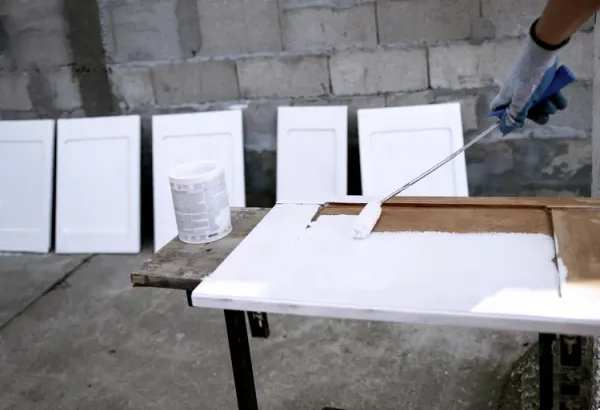
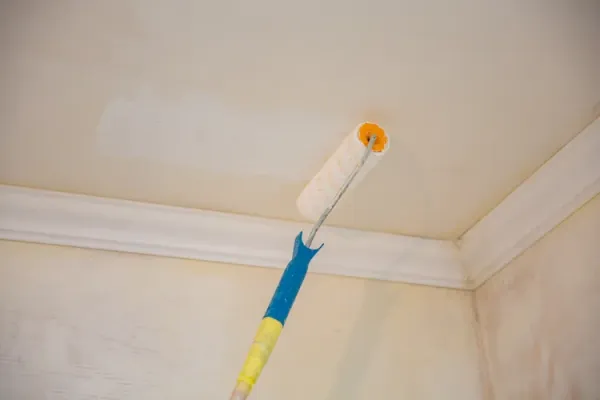
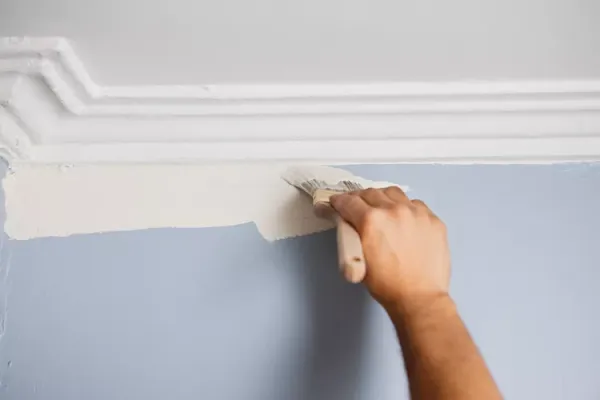
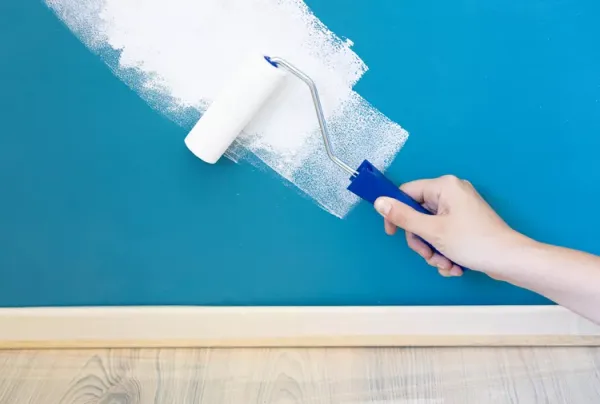
Using the wrong tools can also ruin a paint job, leaving a thin, streaky, or bumpy finish. Vergara advises matching the tool to the surface: smooth rollers for walls, angled brushes for trim, and high-quality tools that don't shed. The texture and material of the tool directly affect the final appearance.
Paint finish, or sheen, is equally important. Doerge points out that flat finishes hide imperfections, while satin or semi-gloss are better suited for high-traffic or high-moisture areas. Choosing the wrong sheen can make even minor flaws stand out, so it's essential to consider the room's function and lighting.

Lighting and Timing Matter
Lighting can dramatically change how a paint color looks. Doerge advises testing a sample on the wall and observing it throughout the day under different lighting conditions before committing to a color. This helps avoid the regret of a shade that looks different in natural versus artificial light.
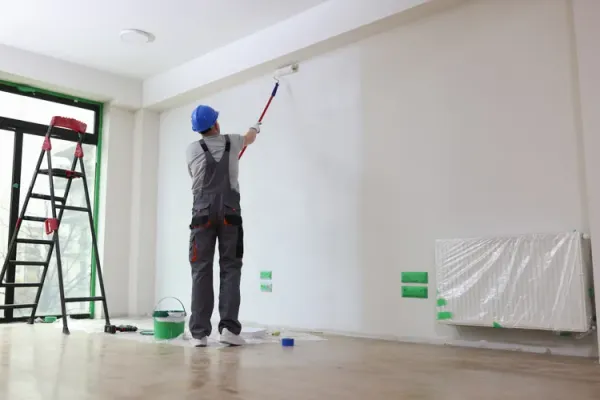
Timing is another critical factor. Applying a second coat before the first is fully dry can cause streaks, bubbles, and lumps. Vergara recommends waiting about 24 hours between coats, applying one coat per day. Boden also warns against letting sections dry before blending adjoining areas, which creates roller marks and lap lines. He suggests working in small areas and maintaining a wet edge so each stroke blends smoothly.

By addressing these common mistakes—prep, tool selection, finish, lighting, and timing—DIY painters can achieve a professional-looking result without the expense of hiring a contractor.

Leave a Comment